
For owners of listed buildings, the 2026 rules conversation is mainly about timing, evidence and the right kind of upgrade. Secondary glazing can improve comfort while retaining heritage windows, but no EPC result, bill saving, performance figure or consent outcome is automatic.
This is a regulatory update, not the practical pre-start checklist. For surveys, window condition and specification questions, read the 10 Things checklist. For the wider background, see the Ultimate Guide to secondary glazing for listed buildings.
1. Treat the October 2026 EPC change as time-sensitive
The source export described an EPC exemption for some listed buildings ending in October 2026. That is a time-sensitive regulatory claim, not a permanent rule to rely on: the position can depend on the property, transaction, tenancy and the legislation or guidance in force at the time.
If you plan to sell or let a listed property, check the latest official EPC guidance and obtain current professional advice. Do not assume that a listing alone removes the need for an EPC, and do not assume that every listed property will be treated in the same way.
An EPC records an assessment under a defined methodology. Secondary glazing may be one measure considered by an assessor, but fitting it does not guarantee a particular band or replace the need for a current EPC.
2. MEES and “unacceptable alteration” exemptions are not shortcuts
For rented homes, the Minimum Energy Efficiency Standards (MEES) and the EPC rules are related but not interchangeable. A listed building may raise questions about whether an improvement would harm its special character, but that does not create an automatic MEES or EPC exemption. Eligibility, evidence, registration and deadlines depend on the current rules and the specific property.
Secondary glazing may be a low-impact option to investigate because it can be fitted internally and may be reversible. That does not mean an authority, assessor or exemption register will require it, accept it, or treat it as suitable in every opening. Read what Grade II owners can and cannot do without permission and the consent questions that need a property-specific answer.
Before relying on an exemption, check current government guidance, the tenancy situation and the evidence required. A conservation-area property that is not listed may face a different planning and energy-efficiency position.
3. Fabric-first guidance supports careful decisions, not a blanket approval
Historic England’s retrofit guidance is useful context for a fabric-first, least-risk approach: understand the building, repair defects and select measures that respect significance and moisture behaviour. It should not be read as an approval of a particular product or as a substitute for the local authority’s assessment.
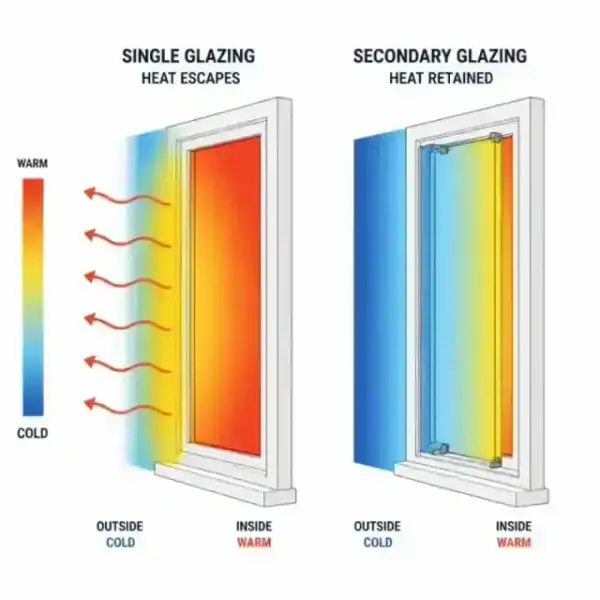
For some heritage windows, a discreet internal layer may help retain the original sash windows or casements while improving everyday comfort. The result depends on the glass, seals, air gap, frame, installation, ventilation and existing fabric. A survey should also consider repair, draught-proofing, shutters, access and condensation risk.
For broader context, compare this regulatory update with the conservation officer’s guide to retaining original windows and the complete period-property energy-efficiency guide.
4. Listed Building Consent and planning permission remain case by case
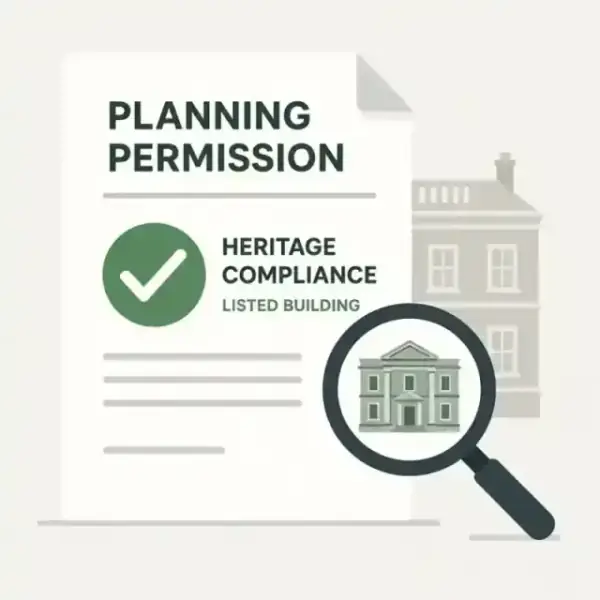
Do not use a headline such as “internal means no permission” to decide what to do. Planning permission and Listed Building Consent are separate questions. An internal installation may leave the external elevation unchanged, but fixings, shutters, significance, access, removal of historic material and local policy can all affect the answer.
Consent is always subject to the local planning authority’s assessment and any conditions it applies. A discreet or reversible proposal may be helpful evidence, but it does not make consent highly likely or guaranteed. Send drawings, photographs and a specification to the relevant authority before ordering, and keep the written response with the project records.
For conservation-area context, see the guide to planning permission for windows in conservation areas. For thermal-standard questions that arise in a period home, read how to meet modern standards without losing original windows.
5. Treat performance, cost and case studies as indicative
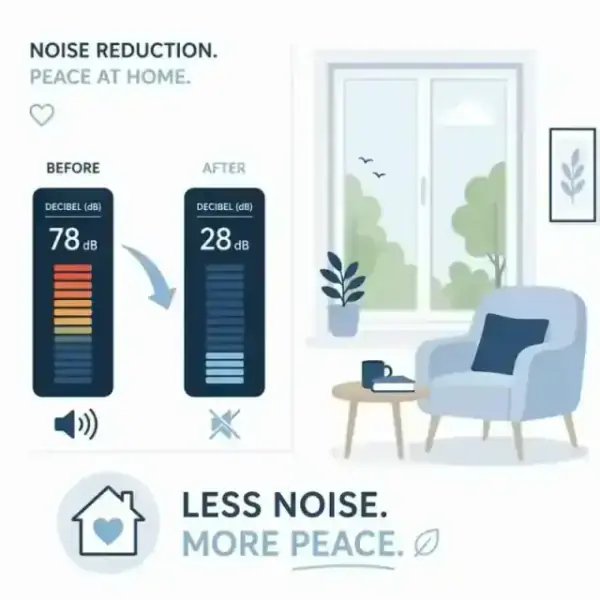
The figures in the source export are useful prompts for questions, not promises. Heat loss through a window may fall by around 60% in some tested or modelled configurations, while quoted noise reductions of 70–80% or 45–50 dB may apply only to a defined system and measurement. Glass, seals, air gap, frame, installation, sound frequency and flanking paths through the building all matter.
Costs also vary with the size and number of openings, glass, frame, finish, repairs, access, installation, making good and any heritage or consent work. The following comparison keeps the source export’s broad ranges as illustrative planning figures only:
| Question | Indicative context | What it cannot establish |
|---|---|---|
| Secondary glazing cost | Some quotations may fall around £600–£1,200 per window. | A price for your opening or a universal saving. |
| Heritage replacement cost | Some specialist replacement projects may be around £3,000–£5,000 per window. | A like-for-like comparison without a full specification. |
| Thermal or acoustic change | A matched system may reduce heat transfer or outside noise. | A fixed percentage, decibel result, EPC band or bill. |
| Installation and planning | Internal work may be less disruptive in some properties. | A fixed duration or low consent risk. |
One source-export example described a Grade II listed Georgian townhouse in Chelsea where the owner reported a 75% reduction in traffic noise, a measured 42 dB drop, an EPC change from G to D and around £340 per month lower winter heating bills after bespoke vertical sliders were installed. Those are property-specific reported results, not an independently verified benchmark or a forecast for another home. The assessment method, window construction, glass, seals, air gap, heating behaviour, energy prices and regulatory timing would all need to be checked separately.
For another view on energy comparisons, read secondary glazing versus double glazing for 2026 energy bills, and avoid treating any headline saving as a guarantee. The guide to energy-saving mistakes period-property owners make explains why the whole building matters.
FAQs about the 2026 rules
Will listed buildings need an EPC from October 2026?
The source export described that change, but the answer is time-sensitive and depends on the rules and guidance in force for the property and transaction. Check current official guidance before selling, letting or relying on an exemption.
Will secondary glazing move an EPC from F or G to E?
It may contribute to an improved assessment in some properties, but no particular band is guaranteed. The EPC methodology, whole-building construction, heating system and other measures all influence the result.
Does secondary glazing avoid Listed Building Consent?
Not automatically. Internal, discreet and reversible details may support a proposal, but the local planning authority must assess the building and the work. Consent and any conditions are case-specific.
Are the 60% heat-loss and 70–80% noise figures reliable?
They may describe particular tests, models or quotations. Treat them as indicative only; glass, seals, air gap, installation, sound frequency, room and other paths through the property change the outcome.
Should I use the £600–£1,200 cost range as a budget?
Use it only as a prompt for an early conversation. Ask for a measured, itemised quotation that includes the actual windows, repairs, glass, access, fitting, making good and consent-related work.
Make the 2026 decision from your property
Secondary glazing for listed buildings can be part of a careful energy-efficiency strategy, particularly where retaining heritage windows matters. Confirm the current EPC and MEES position, seek the local authority’s view on planning permission or Listed Building Consent, and compare a property-specific specification with realistic expectations.
At Secondary Double Glazing London, we provide heritage-sensitive advice for original sash windows and other period openings. Request a quotation or book a measured survey when you are ready to discuss the right approach for your home.