
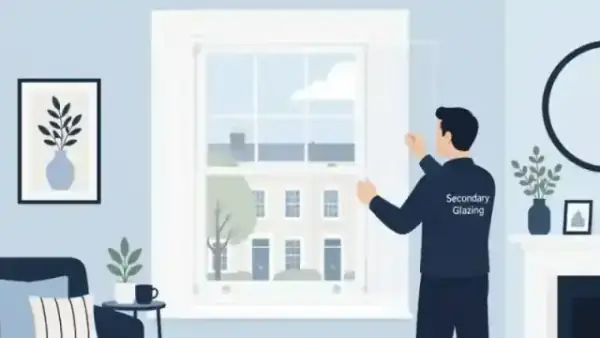
If you live in a listed building, you probably know the "listed building fear." It’s that moment of hesitation before you even think about changing a light fixture, let alone touching your windows. You want a warmer home, and you’re tired of the street noise, but the thought of navigating the planning department feels like a full-time job.
So, let’s get straight to the point: In most cases, you do not need Listed Building Consent (LBC) to install secondary glazing.
Because secondary glazing is installed on the inside of your existing windows and is considered "fully reversible," it generally doesn't affect the historical fabric that the council is so keen to protect. However, like everything in the world of heritage properties, there are a few "ifs" and "buts" you should know before you start.
Why secondary glazing is the heritage "Gold Standard"
Historic England and local conservation officers are usually quite protective of original sash window secondary glazing setups. They don’t want you ripping out 100-year-old timber for uPVC or even modern double-glazed timber units.
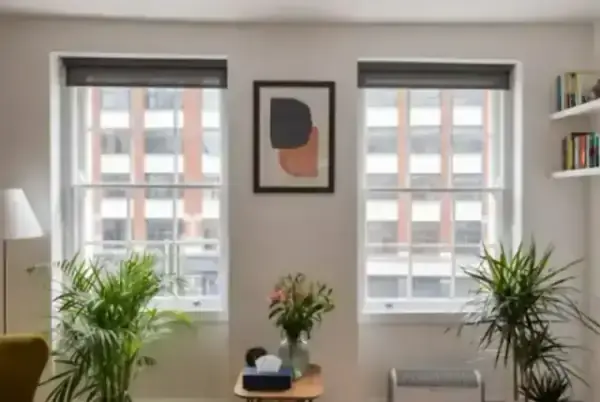
Secondary glazing is the compromise that everyone actually likes. It stays entirely on the "room side" of the window. From the street, your house looks exactly as it did when it was built. Inside, you get a home that finally stays warm.
The magic words: "Internal" and "Reversible"
The reason Grade II listed building secondary glazing is so widely accepted boils down to two concepts:
- It’s internal: It doesn't change the external appearance of the building. This is the big one for planners.
- It’s reversible: If a future owner wanted to remove it, they could do so without damaging the original window or the surrounding masonry.
Most conservation officers view secondary glazing as a piece of furniture or a set of heavy curtains: it’s an addition to the room, not a permanent structural change to the building.
When you might actually need consent
While "no consent needed" is the rule of thumb, there are exceptions. You might need to have a chat with your local planning department if:
- You have internal shutters: If the secondary glazing prevents original shutters from closing, or if we have to remove them to fit the glazing, that’s a change to the "historic fabric."
- Intricate plasterwork: If fitting the frame means cutting into ornate 18th-century architraves or cornicing.
- Special Listing Status: Grade I and Grade II\* buildings are much stricter than standard Grade II. In these rare cases, even internal changes are scrutinised heavily.
Essentially, if the installation is "discreet" and doesn't involve a hammer and chisel meeting your original woodwork, you're usually in the clear.
Secondary glazing vs. Full replacement: A reality check
If you’re still considering trying to get permission for full double-glazing replacements, here’s the reality of what you’re up against.
Full window replacement in a listed building is often refused. Even when it’s allowed, the cost is staggering: typically £800 to £1,200 per window. Compare that to secondary glazing costs, which usually sit between £200 and £400 per window.
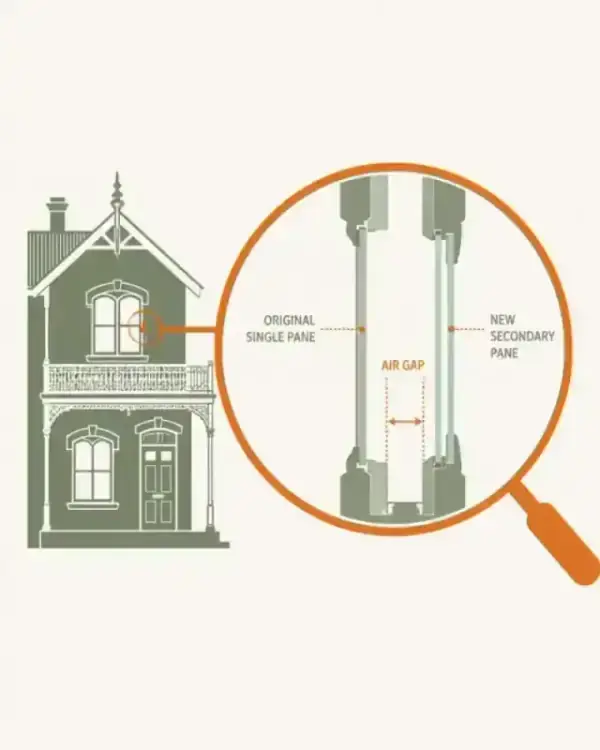
Beyond the price, there’s the performance. Standard double glazing gives you a modest boost in noise reduction. But because secondary glazing leaves a 100-150mm gap between the panes, it creates an acoustic "decoupling." This can cut noise by 70-80%: it's the difference between hearing every car that passes and finally getting a full night's sleep.
The quiet (and warm) side of life
Living in a conservation area or a period home in London often means dealing with a lot of noise. Whether it's the hum of traffic in Pimlico or the bustle of Parsons Green, single-pane glass is basically a sieve for sound and heat.
By choosing acoustic secondary glazing, you aren't just ticking a box for the council; you’re drastically improving your quality of life. We often hear from clients that they didn't realize how loud their street was until the secondary glazing went in and the "noise floor" of their house dropped.
How to play it safe
Even though consent isn't typically required, we always recommend a "safety first" approach.
- Take photos: Document your current windows.
- Get a specification: When we do your survey, we can provide details on the specific bespoke secondary glazing units we plan to use.
- The "Friendly Email": Send a quick note to your local conservation officer. "I’m planning to install internal, reversible secondary glazing to improve my EPC rating and reduce noise. Can you confirm this doesn't require LBC?"
Getting a "yes" in writing is a great insurance policy for when you eventually come to sell the house.
Ready to upgrade your heritage home?
Protecting a historic building doesn't have to mean living in a cold, noisy one. Secondary glazing for heritage windows is the most cost-effective, least intrusive, and most effective way to bring an old property into the 21st century.
If you’re ready to see how we can help you stay on the right side of the planners while keeping your toes warm, give us a shout. We've worked on hundreds of listed properties across London, and we know exactly how to make your windows perform like modern units without losing a bit of their original charm.
- * *
WhatsApp us