
If you’re living in a Grade II listed home, you’ve likely already discovered that even thinking about changing a window can feel like a legal minefield. But here is the short, happy answer: Internal secondary glazing almost never requires full Planning Permission. Because it is fitted on the inside and doesn’t change the external look of your home, it’s generally outside those strict planning controls. However, you might still need Listed Building Consent (LBC) from your local council, as they want to ensure you aren't damaging the historic fabric of your property.
Navigating the rules for a heritage home doesn't have to be a headache. Most local authorities, and Historic England themselves, actually prefer secondary glazing over any other option. It’s the "gold standard" for keeping your home’s character while finally getting rid of those icy draughts and the constant hum of London traffic.
The Difference Between "Planning" and "Consent"
It sounds like a game of semantics, but understanding the difference is key to avoiding a nasty letter from the council.
Planning Permission is all about the outside. If you wanted to rip out your original timber frames and put in uPVC (please don't!), you’d need planning permission, and in a listed building, you’d almost certainly be told no. Since secondary glazing is an internal addition, it doesn't change the "face" of the building, so planning permission is rarely an issue.
Listed Building Consent (LBC) is different. This covers any work that might affect the "special architectural or historic interest" of the building: inside or out. This is where councils vary. In the Royal Borough of Kensington and Chelsea, they often have a "Local Listed Building Consent Order" that automatically allows secondary glazing if it meets certain design rules. Meanwhile, in boroughs like Islington, they usually ask you to submit a quick application for LBC first.
The rule of thumb? Always have a quick chat with your local conservation officer. Tell them the system is fully reversible and won't involve cutting into original joinery. That usually puts them at ease.
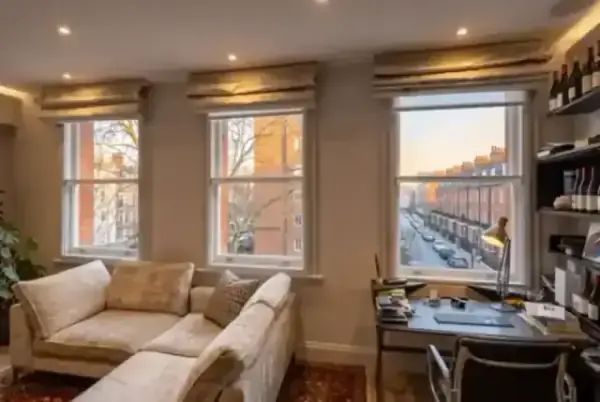
Why Historic England is on Your Side
Historic England is the body that looks after the country's historic environment, and they are surprisingly big fans of secondary glazing. In their official guidance, they recommend it as a primary energy-efficiency measure for historic buildings.
Why? Because it’s "non-destructive." Unlike double glazing, which often requires a complete window replacement or significant thinning of the original frames to fit a vacuum unit, secondary glazing is a completely separate layer. If a future owner 100 years from now wanted to remove it, they could do so without leaving a mark on the original 19th-century timber.
By choosing secondary glazing for your heritage windows, you aren't just making your life more comfortable; you're actually following the best practice for preserving British architectural history.
The "Permission Traps" to Avoid
While secondary glazing is the most "permission-friendly" upgrade, there are still a few traps that can land you in hot water with the conservation team:
- Permanent Adhesives: Never use glues or high-bond tapes that could tear the paint or wood grain if the unit is removed. We use mechanical fixings that are discreet and easily patched if ever needed.
- Mismatched Glazing Bars: If your original window is a classic six-over-six sash, your secondary glazing shouldn't have a giant horizontal bar across the middle of your view. It should align perfectly with your existing sash window lines.
- Visible Fixings: Huge, clunky hinges or bright plastic clips are a no-go. The goal is "invisible" protection.
- Trapped Moisture: Historic England warns against over-sealing. You need a system that allows the original window to "breathe" slightly while the secondary layer handles the insulation.
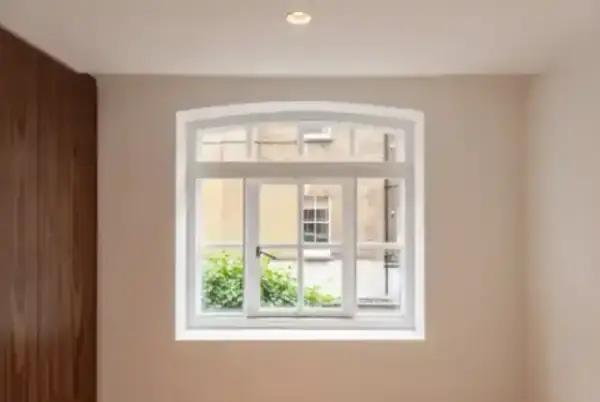
Performance: Cold Drafts vs. Quiet Nights
We know you love the look of your period home, but we also know that living in one can feel like living in a wind tunnel.
Thermal Standards: Original single-pane windows are notorious for heat loss. By adding a secondary layer with thermal glass, you can significantly improve your U-values (the measure of how much heat escapes). This means your boiler doesn't have to work double-time, and those cold spots near the window vanish.
Acoustic Benefits: If you live near a busy London road, the noise reduction is often the biggest "wow" factor. While standard double glazing might cut noise by a bit, a secondary layer with a 100mm-150mm air gap and acoustic glass can reduce external noise by a staggering 70-80%. It’s the difference between hearing every bus that passes and finally getting a full night's sleep.
Matching the Style of Your Home
One of the biggest concerns homeowners have is that secondary glazing will look like an "office" addition in a beautiful Victorian bedroom. It doesn't have to.
- For Sash Windows: We use vertical sliders that mimic the movement of your original windows. When fitted correctly, they are virtually invisible from both the inside and the outside.
- For Casement Windows: Hinged secondary glazing is the way to go. These units open like a door, giving you full access to your original handles and stays.
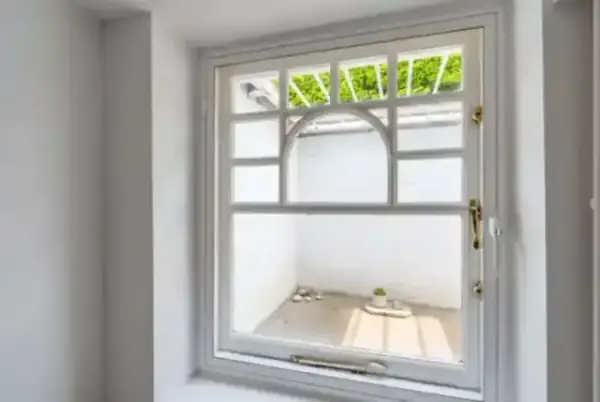
- For Arched or Circular Windows: Heritage homes often have unique shapes. Bespoke secondary glazing can be curved and shaped to fit the exact reveal of your window, no matter how "characterful" (i.e., wonky) your walls might be.
The Real-World Cost Benefit
Let's talk numbers for a moment. Replacing a full set of timber sash windows in a Grade II listed building isn't just a planning nightmare; it's incredibly expensive. You’re often looking at £2,500 to £4,000 per window for a high-quality, heritage-approved replacement.
In contrast, secondary glazing costs are typically 40% to 60% lower. Because the installation usually takes just 1-2 days and doesn't require scaffolding or massive structural changes, you save on both the product and the labor. Plus, you keep the original glass, which often has that beautiful, slightly wavy "drawn" look that you just can't replicate with modern units.
Your Next Steps
If you’re ready to stop shivering and start enjoying the quiet, the best first step is a professional survey. We can help you identify which windows need which type of glass and: most importantly: help you prepare the information your conservation officer might need.
You don't have to sacrifice the history of your home to enjoy modern comfort. With the right approach to secondary glazing, you can have a warm, quiet sanctuary that still looks exactly like the heritage treasure you fell in love with.
WhatsApp us