
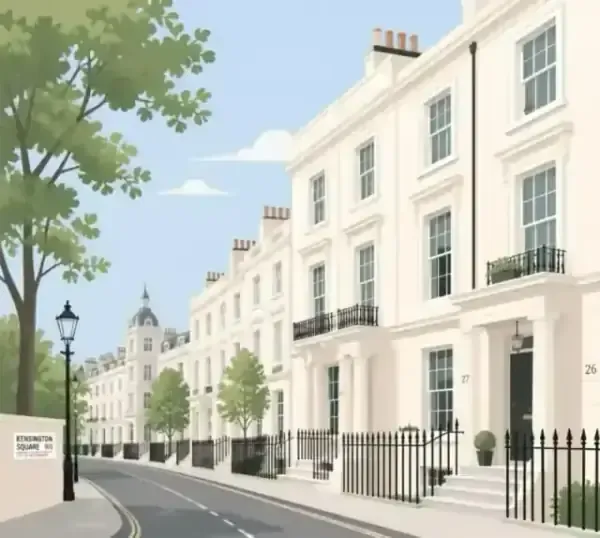
Living in the Royal Borough of Kensington and Chelsea (RBKC) is often viewed as the pinnacle of London life. From the stucco-fronted terraces of South Kensington to the boutiques of Chelsea’s King’s Road, the setting is exceptional. Inside those historic properties, however, original sash windows can bring a less comfortable reality: traffic noise, cold glass and winter draughts.
The practical answer is often secondary glazing. It adds a separate internal window while leaving the original one in place. In suitable specifications, it can offer an indicative improvement in noise and thermal comfort; source material describes reductions of up to around 80% in some cases, but that is not guaranteed and depends on the specific window, glass, seals, air gap, property, borough, installer, energy prices and household behaviour.
This is a borough-vs-borough guide to Kensington secondary glazing and Chelsea secondary glazing. It keeps the focus on how the two areas differ, then points you to deeper guides for acoustic glass, listed buildings, conservation areas and cost.
Kensington vs Chelsea at a glance
Both boroughs contain period flats, sash windows, listed buildings and conservation areas, so the right specification is always property-specific. The everyday noise profile can still feel different:
- Kensington: Main routes such as Cromwell Road (A4) and the streets around Earl’s Court can bring a steady mix of buses, heavy traffic and sirens.
- Chelsea: The Embankment provides a persistent traffic hum, while King’s Road and Sloane Square can bring short, sharp peaks from high-powered vehicles and nightlife.
- Both boroughs: Original single-glazed sash windows are light constructions. “Like a drum skin” is useful illustrative language for how a pane can vibrate with passing traffic; it is not a technical diagnosis of every window.
Kensington & Chelsea is often described as one of the noisiest London boroughs. The source export gives approximately 65.3 noise complaints per 1,000 residents, but that is an approximate, source-dependent figure which can vary by year, reporting behaviour and methodology. It should not be treated as a fixed ranking or a measurement of the noise at a particular address. For the wider acoustic picture, see how to achieve 80% noise reduction in a London flat.
Why these boroughs are noisy
The difference between a peaceful room and an intrusive one is rarely just the borough name. It is usually the relationship between the façade, the road, the room and the window opening. A bedroom overlooking a bus route will experience a different mix of low-frequency engine noise, tyre hiss and sirens from a rear room facing a garden.
Original sash windows also have many interfaces: meeting rails, beads, pulley boxes and the perimeter between timber and masonry. Age, movement and maintenance can create air paths. The glass itself may be thin, and the whole assembly can feel cold even where the frame remains attractive.
For a more detailed London-wide explanation of the decision, read the ultimate guide to soundproof windows in London. This article stays with the Kensington-versus-Chelsea comparison.
How secondary glazing works: the science of silence
Secondary glazing is a fully independent internal window system fitted on the room side of the existing window. It does not replace the original sash or casement. A suitable design normally considers three connected parts:
- The air cavity: A gap of around 100mm to 150mm is often used as technical guidance for acoustic work. It can help decouple the two window layers and give sound waves more space in which to lose energy, but it is not a universal performance guarantee. The reveal, shutters, curtains and ventilation requirements may make a different gap more appropriate.
- Acoustic laminated glass: Acoustic glass can use a PVB (Polyvinyl Butyral) interlayer to damp vibration. Glass thickness, the interlayer and the relationship with the original pane all affect the result. Read the ultimate guide to acoustic glass for the deeper specification discussion.
- The seal and frame: A carefully measured secondary frame can reduce uncontrolled air movement through the inner layer. It cannot correct every leak in the primary window, wall, roof, door or ventilation path, so the whole opening needs to be considered.
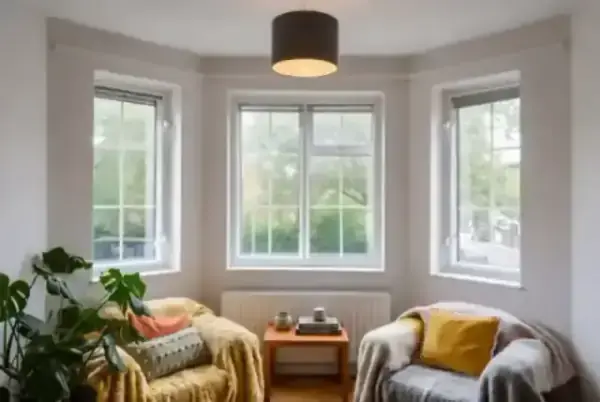
Noise and thermal performance: indicative metrics
The source export compares original single glazing with a possible secondary-glazing specification. These figures are indicative estimates, not promises for every Kensington or Chelsea home. Actual performance depends on the specific window, glass, seals, air gap, frame, room, property and installation quality.
| Feature | Original single glazing | With secondary glazing | Indicative interpretation |
|---|---|---|---|
| Noise reduction | Approximately 20–25 dB reduction | Approximately 45–50 dB reduction | A possible 70–80% quieter result, specification- and property-dependent |
| Thermal (U-value) | Approximately 5.8 | Approximately 1.8–1.9 | A possible improvement of around 65%, dependent on the whole installation |
| Draughts | Often significant | Often much lower with a suitable seal | Typically significant reduction, not near-100% elimination |
A lower U-value indicates less heat transfer through the construction being measured. An indicative U-value around 1.8 may bring a Victorian sash window closer to the performance associated with modern building regulations, but that comparison depends on whether the figure covers the whole installation, the glass specification, the frame, the air gap and the relevant rules for the property. It is not an automatic compliance result.
For the energy-bill context, compare the options in the 2026 secondary glazing vs double glazing guide. Energy prices, weather, heating controls, room use and behaviour can matter as much as a window estimate.
Case-study style examples from RBKC
The following examples retain the source export’s reported details. They describe specific properties and should not be read as forecasts for another home.
Case Study 1: The Cromwell Road Sanctuary, Kensington
- Property: Grade II listed first-floor flat.
- Challenge: The resident reported difficulty sleeping beside the 24-hour rumble of the A4. The source described planning permission for double glazing as having been refused for that property; another property should not be assumed to have the same outcome.
- Solution: Bespoke horizontal sliding secondary units with 6.4mm acoustic laminated glass and a 120mm air gap.
- Reported result: Internal noise was reported as falling from 65dB to 32dB, and the owner reported heating bills falling by 30% in the first winter.
Those are property-specific reported results, not typical results or a forecast. The measurement method, weather, energy prices, room use, installation details and the condition of the original windows all affect what another resident may experience. The related Kensington and Chelsea case study provides a separate example, while this before-and-after Kensington mansion-flat account goes deeper into a different project.
Case Study 2: The Chelsea Embankment Townhouse
- Property: Victorian terraced home overlooking the Thames.
- Challenge: Original sash windows were reported to admit freezing draughts and the hiss of tyres on wet tarmac.
- Solution: Discreet lift-out and hinged units matched to the original window lines, with the aim of keeping the interior and exterior character intact.
- Reported result: The source described a significant reduction in draughts, typically resolving the immediate usability problem in the living room without heavy, light-blocking thermal curtains.
This is a reported property outcome, not a promise of complete elimination. For a longer look at the Chelsea period-home context, read the ultimate guide to secondary glazing for period homes in London.
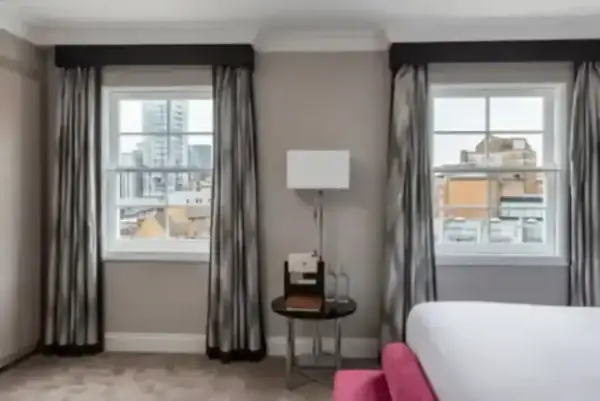
Cost comparison: secondary glazing vs full replacement
The source export gives the following broad comparison for a typical three-bedroom period flat with approximately six to eight windows. Treat it as an indicative starting point only. Window size, access, repairs, finishes, glass, hardware, installer, parking and the property’s heritage status can move a quotation substantially.
| Factor | Full window replacement | Secondary glazing |
|---|---|---|
| Indicative cost | Approximately £15,000–£30,000 | Approximately £4,000–£8,000 |
| Planning position | May require consent and may be refused in some cases | Often does not require planning permission, but depends on the property and works |
| Indicative installation time | Typically 5–10 days, with more disruption | Typically 1–2 days, with less disruption |
| Value comparison | Potentially high, but with a larger initial investment | Potentially attractive because the original window remains in place |
| Conservation fit | Depends on the replacement design and authority | Often heritage-friendly when discreet and reversible; not automatically approved |
For a fuller quote-focused analysis, see how much secondary double glazing costs in 2026 and the honest London cost comparison. A claim that secondary glazing is typically 50–60% cheaper than full high-quality timber replacement is an indicative comparison, not a price promise; the scope must be like-for-like.
Planning, listed buildings and conservation areas
In both Kensington and Chelsea, the external appearance and historic significance of a building can be important. Secondary glazing is often the preferred choice for listed buildings and sensitive period homes because it is an internal, potentially reversible layer that can retain the original window. “Often preferred” does not mean automatically exempt, approved or suitable.
Some installations may still need Listed Building Consent, planning permission, landlord or freeholder approval, or checks under Article 4 and conservation-area rules. Internal shutters, ornate architraves, deep reveals, visible fixings and changes to historic fabric can all alter the assessment. Always check the position with the local planning authority before ordering work. This conservation-area rights and restrictions guide covers the broader questions, and the listed-buildings guide explains the heritage decision in more detail.
If you want to avoid the uncertainty of a planning application, a discreet internal solution may reduce the scope of approvals in some cases, but some properties still need consent. A survey and written specification can help you ask the right questions; only the relevant authority can determine the position for your address. You can also read why secondary glazing is often the go-to solution for Grade II buildings.
Advantages and trade-offs
Advantages
- Acoustic potential: A wide gap, suitable glass and careful seals may improve traffic-noise comfort compared with the existing window. The result depends on frequency and the full building envelope.
- Heritage preservation: The original windows can remain in place, which is often useful for listed buildings and conservation areas when the local requirements allow it.
- Indicative cost advantage: The source comparison suggests secondary glazing can be 50–60% cheaper than full high-quality timber replacement, but each quote is property- and specification-dependent.
- Lower disruption: Internal fitting may avoid scaffolding and reduce the need to re-plaster or repaint, depending on access and the existing reveal.
Trade-offs
- Two layers to operate: Fresh air may require opening both the original and secondary windows, although sliding, hinged and lift-out systems can make access straightforward.
- More glass surfaces: Cleaning may involve four surfaces instead of two; the chosen system should allow safe access.
- Internal space: The unit may sit around 10–15cm into the room, subject to the frame, reveal, shutters and chosen gap.
- No universal outcome: A dB figure, U-value, cost saving or consent result from another London property cannot predict yours.
For the deeper installation and specification questions, use the London soundproof-windows guide and the Chelsea period-homes guide as supporting reading rather than as a substitute for a survey.
Professional assessment: when should you act?
A measured survey is useful when you are deciding between Kensington secondary glazing and Chelsea secondary glazing, or when a window sits in a listed building or conservation area. Ask the installer to consider:
- whether the original sash or casement needs repair before a secondary unit is fitted;
- the available reveal depth, shutters, curtains, ventilation and safe access;
- whether standard, Low-E or acoustic laminated glass is appropriate for the room;
- how the frame, seals and opening style will look from inside and outside; and
- what permissions, consents, landlord or freeholder approvals should be checked before work begins.
The Kensington Chelsea case-study archive can help you understand the kinds of constraints a survey may uncover, but no case study can replace measurements at your address.
Frequently asked questions
Is secondary glazing better than double glazing in Kensington or Chelsea?
There is no universal winner. Secondary glazing can be a strong fit where original windows, heritage controls or a large acoustic air gap matter. A full replacement may suit a different property. Compare the whole installation, including glass, frame, air gap, seals, consent, cost and how the room is used.
Can secondary glazing reduce traffic noise by 70–80%?
That is an indicative source figure for a suitable specification, not a guarantee. Traffic frequencies, walls, roofs, doors, vents, the original window and the quality of the seals all influence the result. See the 80% noise-reduction guide for a deeper explanation.
What U-value should I expect?
The source comparison gives approximately 1.8–1.9 for one secondary-glazing specification, compared with approximately 5.8 for original single glazing. Those are indicative values for a defined construction, not a universal score. Ask whether a quotation refers to the glass or the whole window and which air gap, frame and seals were used.
Do I need planning permission or Listed Building Consent?
Some internal installations may not need planning permission, but the answer depends on the property, the exact works and the local rules. Listed Building Consent, Article 4 controls, conservation-area requirements, landlord or freeholder approval may still apply. Always check with the local planning authority before ordering.
Is secondary glazing 50–60% cheaper than replacement windows?
That is an indicative comparison from the source export, not a quote or guarantee. A like-for-like answer requires the window count, dimensions, repairs, access, glass, finishes, hardware, installation and any consent-related work.
Will secondary glazing eliminate draughts?
It can provide a significant reduction when the frame and seals are well matched, but complete elimination is not a responsible universal claim. Draughts may still come through the original sash, wall junctions, doors or ventilation paths.
Which system suits sash windows?
Vertical sliding units can follow sash movement, while lift-out or hinged units may suit other access needs. The best choice depends on the window, reveal, shutters, ventilation, cleaning routine and heritage details. A survey should determine the practical fit.
Final thoughts
Kensington and Chelsea share a rich architectural inheritance, but the right secondary-glazing response is never a borough-wide promise. Kensington may call for careful acoustic planning beside an arterial road; Chelsea may call for a discreet response to Embankment traffic, King’s Road activity or a sensitive townhouse elevation. In both cases, the useful questions are the same: what is the existing window, what noise reaches the room, how much reveal is available, what permissions apply, and what specification can be supported by a written quote?
Ready to transform your home into a quieter, warmer sanctuary? Contact us for a free survey and a no-obligation quotation from SecondaryDoubleGlazing. We can help you compare glass, air gap, seals and opening styles for the property you actually have.
WhatsApp us