
If you own a period property in London, you may be weighing the character of original timber sash windows against draughts, traffic noise and rising heating costs. The practical choice is often between replacing the window with double glazing or adding a separate internal secondary-glazing system.
The honest short answer is that secondary glazing is sometimes around 40% to 60% cheaper than full window replacement in London, while offering a strong acoustic improvement and potentially similar energy savings in some properties. These are indicative comparisons, dependent on the window, glass, seals, air gap, property, installer, energy prices, household behaviour and the scope of each quote. They are not a promise of a particular saving or performance result.
This guide keeps the focus on the secondary glazing vs double glazing cost comparison for London homeowners. For the separate energy-bills question, see our 2026 energy-bills comparison. For a broader shortlist of heritage and comfort considerations, browse the window notebook.
Quick cost comparison for London homeowners
The figures below are typical indicative ranges preserved from the original comparison. They are useful for an early budget conversation, not a substitute for a survey and a like-for-like quotation.
| Option | Indicative London starting point | What can move the price |
|---|---|---|
| Secondary glazing | £3,300–£4,500 for 8–10 windows, or roughly £350–£600 per window | Window size, opening style, glass, frame finish, reveal depth, repairs, access, installer and fitting scope |
| uPVC double-glazing replacement | £5,000–£7,500 for the same broad 8–10-window comparison, or roughly £700–£1,800 per window | Unit specification, removal, making good, access, property, installer and location |
| Timber double-glazing replacement | £15,000–£20,000 for the same broad comparison | Joinery detail, matching, glazing, heritage requirements, access, making good and the quotation scope |
London work is often quoted at around 10% to 20% above some UK prices because of labour, access and logistics, but that is also an indicative market comparison rather than a fixed London surcharge. Bay windows, unusual sash layouts, poor access, parking restrictions, scaffolding, repairs and redecoration can all change the total. The 2026 UK cost guide explains how to separate those items.
Why the two options cost differently
Full double-glazing replacement
Replacement normally means removing the existing window and fitting a new sealed unit. A modern uPVC design may be the lower-cost replacement route in the indicative ranges above; timber joinery intended to suit a period property may cost more. Removal, disposal, repairs, interior making good, redecoration and external access should be checked line by line in the quote.
Secondary glazing
Secondary glazing adds an independent internal pane while the original window remains in place. In a suitable opening, the new frame and seals may create an air gap of around 100mm to 200mm. That wider gap is a useful piece of technical guidance for acoustic and thermal design, not a universal specification or guarantee of performance: the available reveal, glass, seals, frame and installation all matter.
The secondary glazing installation process covers survey, measurement, manufacture, fitting and handover in more detail. A quote should state whether sash repairs, draught-proofing, cleaning access, ventilation and making good are included.
U-values and noise in plain language
A U-value describes heat transfer through a defined window or construction. Lower generally means less heat transfer through that tested or modelled build-up. It does not predict a whole-house bill on its own. Acoustic ratings and noise reductions are similarly dependent on the complete window, the sound profile and other paths through the building.
The following table preserves the source comparison as indicative references only. Actual results depend on the specific window, glass, seals, air gap, frame, installation, property and measurement method.
| Metric | Single glazing | Standard double glazing | Secondary glazing |
|---|---|---|---|
| Indicative U-value | About 5.0 W/m²K | About 1.2–1.6 W/m²K | About 1.8–2.0 W/m²K |
| Indicative acoustic reference | About 25 dB | About 30–35 dB | Up to 54 dB in suitable tested or specified conditions |
| Plain-language reading | More heat transfer and limited acoustic separation in this reference comparison | Often a lower window U-value, with acoustic performance depending on the unit | May offer useful thermal improvement and strong noise reduction where the gap, glass and seals suit the room |
These figures should not be read as guaranteed U-values, decibel reductions or bill outcomes. A carefully specified secondary system may outperform a basic replacement window for a particular traffic-noise profile, while a high-spec replacement may deliver a lower window U-value. The acoustic-glass guide and London soundproof-windows guide explain why traffic frequency, glass mass, air gaps, seals and flanking paths matter.
ROI and payback: what the estimates mean
Payback is the time needed for estimated savings to recover the installation cost. It is a scenario calculation, not a promise. Energy prices, the starting condition of the windows, heating system, occupancy, thermostat settings, weather, installation cost and behaviour can all change the result.
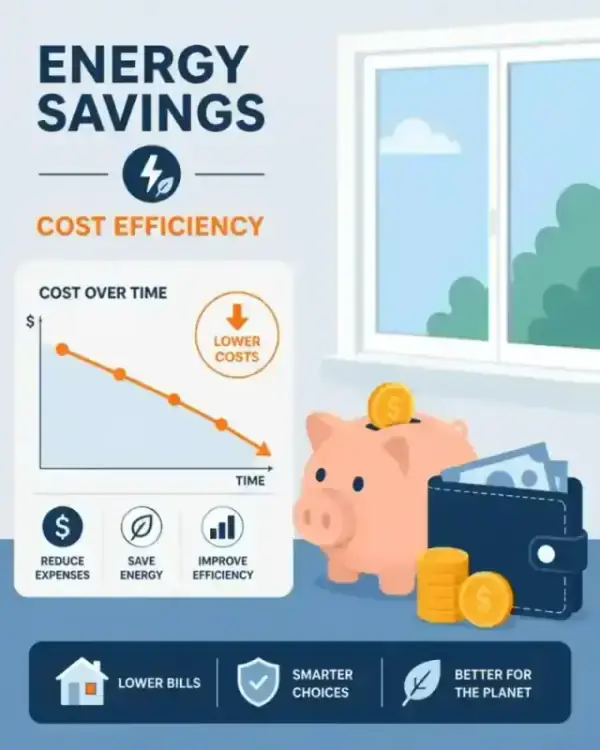
- Secondary glazing: the original comparison used roughly £150 a year as an illustrative heating saving and an indicative 3–8 year payback range.
- Double-glazing replacement: the same comparison used an indicative 15–25 year payback range, particularly where the initial cost is higher for timber windows.
Those ranges are not forecasts for every London home. A window-level U-value cannot be converted directly into a guaranteed bill reduction, and noise or comfort value may matter even when energy payback is slow. For a deeper financial checklist, read 10 things to know about secondary glazing ROI.
Some comparisons describe secondary glazing as delivering roughly 70% to 80% of the thermal benefits for around half the price. Treat that as an indicative comparison for particular specifications and quotes, not a universal ratio. The 60% cost-saving analysis explores the headline carefully; this article remains the London cost comparison.
Pros and cons: a balanced view
| Feature | Secondary glazing | Full double glazing |
|---|---|---|
| Initial cost | Often lower in the indicative comparisons above; the actual saving depends on the two quotes | Often higher, especially for bespoke timber replacement |
| Noise insulation | Some systems are reported at up to 80% reduction in particular conditions; this is not guaranteed | Depends on the unit, glass, seals, installation and sound path |
| Thermal insulation | May provide good window-level improvement with a suitable specification | May provide a lower window U-value in a suitable replacement |
| Planning and consent | May avoid some external-change issues, but listed buildings, conservation areas and Article 4 Directions can change the position | External replacement may need planning permission and/or listed building consent, depending on the property and proposal |
| Aesthetics | Keeps the original external window in place; internal sightlines and reveal depth still need consideration | Changes or removes the existing window, subject to the replacement design and consent position |
| Maintenance | Adds another pane, frame and set of seals to clean and maintain | Replaces the existing system; uPVC and timber have different maintenance needs |
| Installation | Often an internal installation, but access, repairs and making good vary | May involve removal, external access, dust and more extensive making good |
Case-study style example: the Chelsea terrace
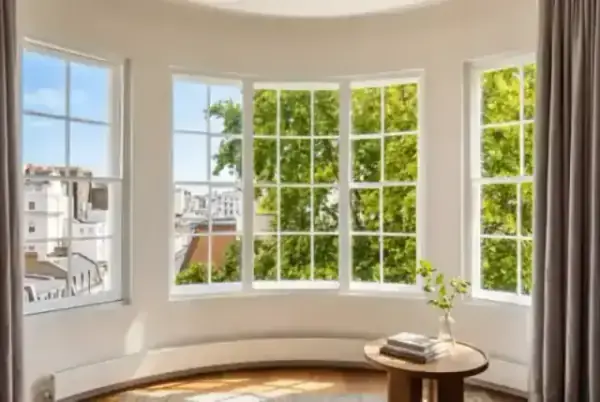
The source case study described a Grade II listed Victorian terrace in Chelsea. The details below are property-specific reported results, not a forecast for another London home.
- Challenge: The owner reported heavy noise from the King’s Road and heat loss through original sash windows. The case study reported that planning permission for double glazing had been denied for that proposal; this was a decision about that property and application, not a general rule.
- Solution: Bespoke acoustic secondary glazing with 6.4mm laminated glass and a 150mm air gap.
- Reported result: The case study reported a 75% reduction in perceived traffic noise, a total cost of £4,200 compared with an £18,000 quote for slimline double glazing, and installation completed in 6 hours with zero mess reported.
The result illustrates why a London comparison should use the same window count, glass, repairs, access, installation scope and finishing assumptions on both sides. It does not establish a typical noise reduction, cost difference or installation time.
Planning note for listed and conservation-area homes
Secondary glazing may be a useful case-dependent route where an owner wants to retain original windows, but it is not automatically exempt from consent and other lawful approaches may be available. For a listed building, listed building consent can depend on the significance of the window and interior, the fixings, the reveal, shutters, surrounding fabric and the local authority’s interpretation. A conservation area, Article 4 Direction or local policy can add controls over external changes.
The listed-building secondary-glazing guide gives broader heritage context. Check the position with the relevant planning authority before ordering work; an installer’s general assumption or another property’s approval cannot decide your case.
Which option may suit your property?
There is no universal winner in the secondary glazing vs double glazing decision. A measured comparison can help you decide whether:
- Secondary glazing may suit: the original timber frames are sound enough to retain, external appearance matters, the reveal can accommodate an inner system, or reducing and managing traffic noise is a priority. The secondary glazing 101 guide covers the practical basics.
- Replacement may suit: the existing frames are structurally failing, the whole window needs renewal, a single modern opening system is important, and the design and consent position support replacement. The guide to meeting modern thermal standards without losing original windows provides wider period-property context.
In either case, avoid treating “lower bills”, “better U-values” or “quieter rooms” as automatic outcomes. The period-home benefits guide explains the wider comfort case, while this article stays focused on comparing the cost and value of the two routes.
FAQ
Is secondary glazing cheaper than double glazing in London?
It can be, and the source comparison indicates a possible 40% to 60% lower cost in some London quotes. That range is not universal: compare window count, size, glass, repairs, access, removal, making good, installer and aftercare on a like-for-like basis.
Is secondary glazing better for noise reduction?
It may be better for a particular traffic-noise profile when the glass, seals and air gap are suitably specified. The source comparison includes an up to 54 dB reference and an up to 80% case-dependent reduction, but neither is guaranteed. Walls, doors, vents, floors and neighbouring windows can also carry sound.
Does a lower U-value guarantee lower heating bills?
No. A U-value describes heat transfer through a defined window or build-up. Whole-property bills also depend on energy prices, weather, heating controls, occupancy, ventilation, draughts and behaviour.
Does secondary glazing need planning permission?
The answer is case-specific. An internal system may avoid some external planning issues, but listed building consent, conservation-area controls and Article 4 Directions can still affect the work. Check with the local authority before commissioning it.
What should a London quote include?
Ask for the window schedule, glass and frame specification, seals, air gap, opening style, repairs, survey, manufacture, installation, access, removal, making good, ventilation, consent support and aftercare. The separate London home budget comparison offers another budgeting perspective, while this article keeps the focus on the honest cost comparison.
How quickly can the work be installed?
The Chelsea case study reported 6 hours, but that was one property-specific installation. Survey findings, manufacture, window count, access, repairs and the chosen system can change the programme. Use the complete installation timeline for the stages to discuss with an installer.
Make the next step a measured one
The most useful comparison is built around your actual windows and two clearly scoped quotations. A survey can check frame condition, reveal depth, glass, seals, acoustic priorities, likely repairs and the planning or listed-building questions that apply to your address.
At Secondary Double Glazing London, we specialise in helping homeowners weigh heritage preservation, comfort and cost without over-promising. Contact us for a clear, bespoke recommendation.