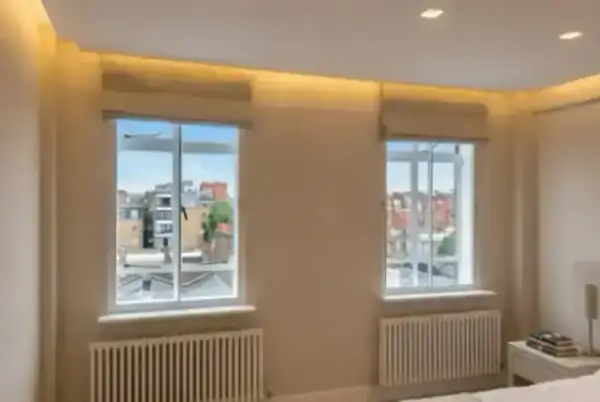
If you’re staring at your drafty Victorian sash windows and wondering how to stop your heating bills from escaping into the London sky, you’ve probably hit the classic dilemma: should you replace the whole window with double glazing or fit secondary glazing inside?
Let’s get the direct answer out of the way first. From a purely financial standpoint, secondary glazing wins on almost every budget metric. It is typically 40% to 60% cheaper than full window replacement, pays for itself through energy savings 2 to 3 times faster, and avoids the eye-watering "London premium" often attached to high-end timber replacements.
While double glazing has its place in modern builds, for the thousands of period homes across Kensington, Fulham, or Hackney, the math usually points in one direction. Let’s break down exactly why that is.
The Upfront Cost: Breaking Down the "40-60% Cheaper" Claim
In London, we aren't just paying for glass; we’re paying for craftsmanship and the logistical headache of working in a crowded city.
When you replace a window with double glazing, you’re paying for the removal of the old unit, structural adjustments, the new frame (often expensive timber to match heritage requirements), and the glass itself. If you’re in a conservation area, you might also be paying for specialized "heritage" double glazing which is even pricier.
Secondary glazing is a different beast. It’s an internal job. No scaffolding, no structural changes, and usually, the whole house is finished in a day or two.
What are the real numbers?
Based on our recent installations and current 2026 market data:
- Secondary Glazing Cost: Usually ranges between £200 and £400 per window. For a typical three-bed London semi, you’re looking at a total investment of roughly £3,000 to £5,000.
- Double Glazing Cost: For a period-appropriate timber sash replacement, you can expect to pay anywhere from £800 to £1,500 per window. That same three-bed house could easily set you back £10,000 to £15,000.
When people say secondary glazing is half the price, they aren't exaggerating, in many London boroughs, it’s actually even more cost-effective than that.
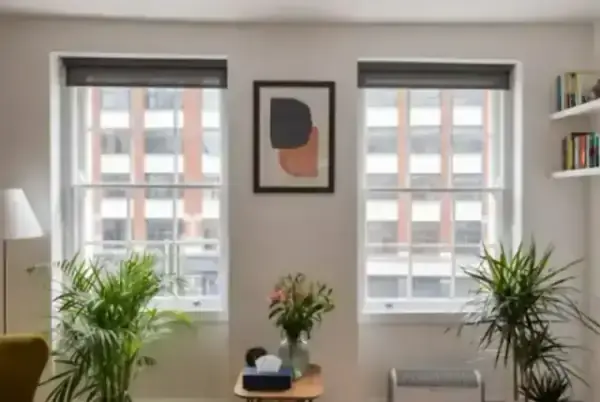
The ROI: How Fast Will Your Energy Bills Pay You Back?
We all want a warmer home, but we also want to know when we’ll see that money back in our pockets. This is where the ROI (Return on Investment) gets interesting.
According to energy efficiency data, upgrading from single glazing to A-rated double glazing saves the average UK home about £140–£175 per year. Because the upfront cost of double glazing is so high, it can take 30 to 35 years just to break even on those bill savings.
Secondary glazing offers a much punchier return. Because it creates a massive insulating air gap (often 100mm-150mm), it’s incredibly effective at stopping heat loss.
- Annual Savings: Most homeowners see a 15% reduction in their heating bills, which translates to roughly £150 to £500 per year depending on the size of the property.
- Payback Period: Because the initial cost is so much lower, secondary glazing often pays for itself in 5 to 10 years.
If you plan on living in your home for a decade, secondary glazing is a profit-making move. Double glazing, in contrast, is more of a long-term capital investment in the property’s structure.
The Hidden Costs of Double Glazing in London
One thing homeowners often forget to budget for is the "ripple effect" of full window replacement. When you rip out an old window frame in a Victorian or Edwardian house, you aren't just changing the glass.
- Redecorating: You will almost certainly need to replaster, repaint, or fix wallpaper around the new frame.
- Planning Permissions: If you live in a listed building or conservation area, getting permission for double glazing can be a long, expensive process with no guarantee of success. Secondary glazing is installed internally and usually doesn't require any planning hurdles.
- The "London Uplift": Scaffolding a terrace house on a red route or a busy street in Zone 2 can cost thousands before a single window is even touched. Since secondary glazing is installed from the inside, you skip this cost entirely.
Performance vs. Price: Are You Getting What You Pay For?
You might think that because double glazing is more expensive, it must perform better. In some areas, yes: it’s excellent for airtightness. But in other areas, secondary glazing actually takes the lead.
Noise Reduction: The Quietest Option
If you live near a busy road or under a flight path, acoustic secondary glazing is actually superior to standard double glazing. By creating a large gap between two different thicknesses of glass, you can achieve up to 70-80% noise reduction. Standard double glazing, with its narrow gap, simply can't compete with that level of silence.
Condensation: A Budget Saver
Damp and mold are expensive to fix. Secondary glazing creates a thermal barrier that keeps the inner glass at room temperature, significantly reducing the condensation that often plagues original single-paned sash windows.
Making the Choice: What’s Right For You?
Choosing between the two depends on your goals.
- Choose Double Glazing if: You are doing a full "back-to-brick" renovation, your existing frames are rotting beyond repair, or you have a massive budget and want a 30-year structural upgrade.
- Choose Secondary Glazing if: You want to preserve your home's character, you're dealing with heavy London noise, you live in a listed building, or: most importantly: you want the best possible performance for the lowest possible price.
At Secondary Double Glazing London, we’ve seen homeowners save thousands by opting for an "invisible upgrade" that works just as hard as replacement windows but for a fraction of the cost.
If you’re ready to stop the drafts without breaking the bank, why not start with a survey? We can show you exactly how a bespoke secondary unit will look on your specific windows: chances are, you’ll barely even know it’s there, but you’ll certainly notice the difference in your heating bill.