
If you're tired of drafty windows driving up your heating bills, you're not alone. Poor window insulation can account for up to 30% of your home's energy loss, making it one of the most impactful areas to address for comfort and cost savings.
The challenge is choosing the right solution. From budget-friendly DIY fixes to comprehensive window replacements, each option offers different benefits depending on your property type, budget, and long-term goals.
This guide compares all major window insulation methods to help you make an informed decision for your specific situation.
Quick Comparison Overview
| Solution | Effectiveness | Cost Range | Installation | Planning Permission |
|---|---|---|---|---|
| Window Film | Good | £10-30/window | DIY | None required |
| Draught Proofing | Good | £15-50/window | DIY | None required |
| Thermal Curtains | Fair-Good | £50-200/window | DIY | None required |
| Secondary Glazing | Excellent | £150-400/window | Professional | Usually permitted |
| Double Glazing | Excellent | £300-800/window | Professional | May require permission |
| Triple Glazing | Outstanding | £500-1200/window | Professional | May require permission |
DIY Solutions: Quick and Affordable
Window Insulation Film
Window insulation film creates an additional barrier of trapped air between the plastic and your window glass. This transparent plastic sheeting can reduce heat loss by 10-15% and costs just £10-30 per window kit.
Installation involves cleaning the window, applying double-sided tape around the frame, pressing the film into place, and using a hair dryer to shrink it tight. The process takes about 30 minutes per window and lasts through winter.
Pros: Very affordable, easy installation, transparent, removable
Cons: Temporary solution, can look slightly cloudy, reduces natural light minimally
Draught Proofing and Weatherstripping
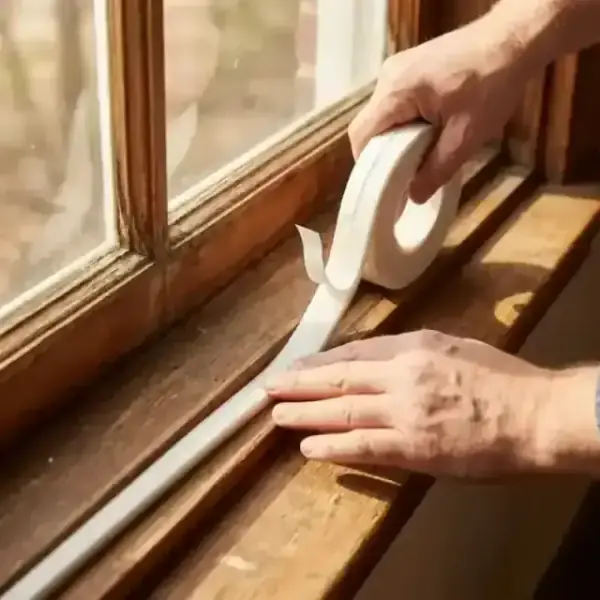
Sealing gaps around window frames is often the most cost-effective first step. Foam strips, V-strips, or brush seals can dramatically reduce air leakage for £15-50 per window.
Self-adhesive foam strips work well for irregular gaps, while V-strips (metal or plastic) provide more durable sealing for sash windows. Brush pile weatherstripping works particularly well for sliding windows.
Pros: Inexpensive, immediate impact, easy to install, invisible when done properly
Cons: Doesn't address the glazing itself, may interfere with window operation
Caulking and Sealants
Flexible caulk fills fixed gaps around window frames where weatherstripping won't work. Removable rope caulk offers a temporary solution for renters, while permanent acrylic or silicone caulk provides lasting results.
Focus on the junction between window frames and walls, but avoid blocking weep holes designed for drainage.
Pros: Very cheap (£5-15), long-lasting when permanent, addresses structural gaps
Cons: Can be messy to apply, permanent versions difficult to remove
Textile Solutions: Warmth and Style
Thermal Curtains and Blinds
Heavy, lined curtains create an insulating air pocket between the fabric and window. Quality thermal curtains can reduce heat loss by up to 25%, particularly when they extend beyond the window frame and have a tight fit.
Look for curtains with thermal lining, multiple layers, or reflective backing. Pair with a snug-fitting pelmet or cornice to minimize air circulation above.
Pros: Improves room aesthetics, provides privacy, can be decorative feature
Cons: Reduces natural light when closed, takes up visual space, moderate cost
Cellular (Honeycomb) Blinds
These blinds feature air pockets within their structure, providing better insulation than standard blinds. Double or triple-cell versions offer superior performance and can reduce energy costs by 15-20%.
Top-down/bottom-up styles allow natural light while maintaining privacy and insulation where you need it most.
Pros: Neat appearance, good light control, effective insulation
Cons: Higher cost than standard blinds (£80-300), limited style options
Professional Solutions: Maximum Performance
Secondary Glazing
Secondary glazing involves installing a second window inside your existing window frame, creating a substantial air gap for insulation and noise reduction. This solution can reduce heat loss by 60-70% and noise by up to 80%.
Modern systems use slim profiles and high-quality sealing to maintain aesthetics while delivering exceptional performance. Options include fixed panels, lift-out systems, and hinged designs to maintain window access.
For period properties, secondary glazing often provides the ideal solution where double glazing replacement isn't suitable for conservation areas or listed buildings. It's particularly effective for Victorian homes and Georgian properties where preserving original features is essential.
Pros: Excellent thermal and acoustic performance, preserves original windows, usually permitted development
Cons: Higher cost than DIY solutions, reduces window opening space slightly
Double Glazing Replacement
Installing new double-glazed windows provides comprehensive improvement in insulation, noise reduction, and security. Modern units feature low-E coatings, gas fills, and thermal breaks for maximum efficiency.
However, planning restrictions often apply, particularly in conservation areas or for listed buildings. Before proceeding, check whether your property requires permission for window replacement.
For properties where replacement is possible, the choice between different window styles depends on your home's architecture. Casement windows suit many modern homes, while sash window replacements work well for period properties where permitted.
Pros: Complete solution, modern convenience features, long lifespan, good resale value
Cons: High cost, may require planning permission, irreversible change to building character
Triple Glazing
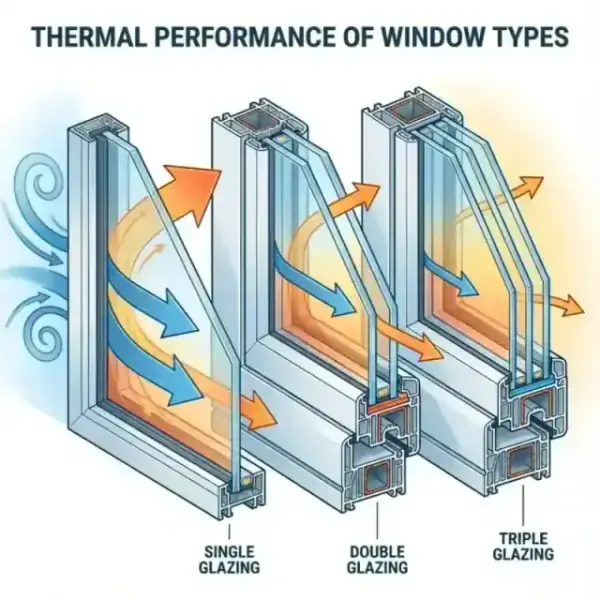
Triple glazing adds a third pane of glass for even better insulation, reducing heat loss by up to 80% compared to single glazing. The additional weight requires robust frames and hinges.
While offering superior performance, triple glazing involves significantly higher costs and may be overkill for most UK properties, where double glazing typically provides sufficient improvement.
Pros: Maximum insulation performance, excellent noise reduction
Cons: Very high cost, weight considerations, diminishing returns over double glazing
Cost Analysis: Budgeting Your Investment
Initial Costs vs. Long-term Savings
Budget solutions (£10-100 per window) provide immediate improvements but may need replacement every few years. Professional solutions (£200-1200 per window) offer decades of performance with minimal maintenance.
A typical 3-bedroom house with 12 windows might spend:
- DIY approach: £200-500 total
- Mixed approach: £500-2000 total
- Professional approach: £2000-8000 total
Energy Savings Calculation
Your annual savings depend on current energy costs, window condition, and chosen solution effectiveness. A house losing £400 annually through poor windows might save:
- DIY solutions: £40-80/year
- Secondary glazing: £200-280/year
- Double glazing: £240-320/year
For detailed cost comparisons specific to your situation, consider consulting professional cost guidance that accounts for property type and location factors.
Heritage Properties: Special Considerations
Listed Buildings and Conservation Areas
Properties with heritage designations face unique challenges. Listed buildings often cannot alter original window openings, while conservation areas may restrict visible changes to the building exterior.
Listed building regulations typically prohibit replacement double glazing but may permit internal modifications like secondary glazing. This makes it often the only viable option for comprehensive improvement.
Conservation area rules vary by location, but generally focus on preserving the street scene appearance. Internal improvements rarely require permission, while external changes often do.
Period Property Performance
Older homes present specific challenges:
Sash Windows: Original sash windows can often be draught-proofed effectively, but their design makes comprehensive sealing difficult without secondary glazing.
Casement Windows: Metal casement windows, particularly Crittall steel frames, conduct heat readily and benefit significantly from internal insulation.
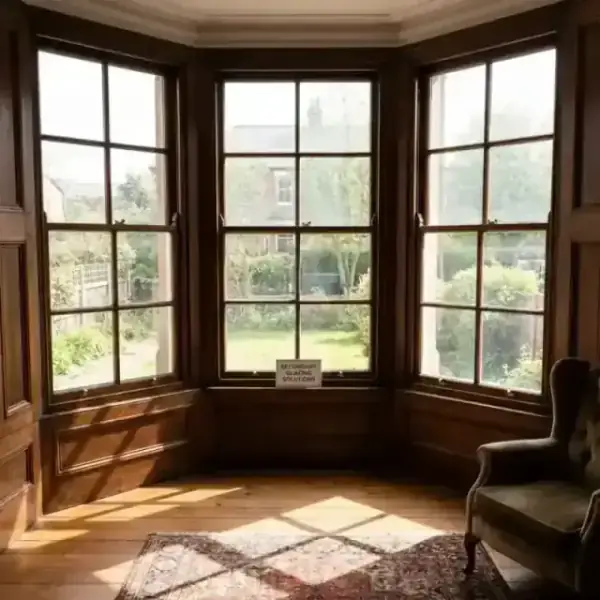
Bay Windows: Complex shapes make bay window insulation challenging for DIY solutions, often requiring professional assessment.
Planning Permission Guidance
Before undertaking major window modifications, research your local planning requirements. Many local authorities provide online guidance, but complex cases benefit from professional advice.
For comprehensive guidance on heritage property regulations, consult resources about planning permission requirements before committing to any solution.
Choosing Your Solution: Decision Framework
Assess Your Priorities
Budget-Focused: Start with draught proofing and window film (£50-100 total per window), then add thermal curtains if needed.
Performance-Focused: Secondary glazing or double glazing replacement provide the most substantial improvements (£200+ per window).
Heritage-Conscious: Secondary glazing typically offers the best balance of performance and heritage compliance.
Rental Property: Focus on removable solutions like thermal curtains, window film, and rope caulk.
Property Type Considerations
Modern Homes: Usually suitable for any solution, making cost and performance the primary factors.
Period Properties: May be restricted to internal modifications, making secondary glazing the most viable comprehensive solution.
Apartments: Noise reduction often matters as much as thermal improvement, favoring solutions that address both issues.
Timeline and Disruption
Immediate Improvement: DIY solutions can be implemented within days and provide noticeable benefits quickly.
Gradual Upgrade: Start with inexpensive solutions, then upgrade room by room as budget allows.
Comprehensive Project: Professional installation typically takes several days but provides decades of benefits.
Making the Right Choice
The best window insulation solution depends on balancing your performance needs, budget constraints, and property limitations. Many homeowners benefit from a layered approach: starting with cost-effective draught proofing, then adding more comprehensive solutions where the benefits justify the investment.
For most situations, beginning with thorough draught proofing and window film provides excellent value, while secondary glazing offers the best long-term solution for properties where window replacement isn't suitable or desired.
Consider your specific circumstances: energy costs, comfort requirements, heritage restrictions, and long-term plans for the property. The right solution should provide years of improved comfort and energy savings while respecting your property's character and your budget constraints.
For complex situations, particularly involving heritage properties or planning restrictions, professional consultation can help navigate the options and ensure compliance while maximizing performance benefits.