

If you’ve ever walked down the Strand or stood near the base of Nelson’s Column, you know the sound. It’s a rhythmic, never-ending symphony of red buses, black cabs, and the general hum of a city that doesn’t just move: it roars. Now, imagine trying to sleep, work, or enjoy a cup of tea just a few dozen yards from that commotion.
That was the reality for Sarah and James, who live in a stunning top-floor Georgian flat just a stone’s throw from Trafalgar Square. Their home is filled with history, from the high ceilings to the original 18th-century timber sash windows. But those beautiful windows were also their biggest headache.
Living in a Westminster conservation area means Sarah and James are the temporary custodians of London’s heritage. It also meant that when the noise became unbearable, they couldn’t simply rip out the old frames and put in modern uPVC windows. They were stuck with thin, single-pane glass that let in as much noise as if the windows were wide open.
The Problem: When "Location, Location, Location" Becomes "Noise, Noise, Noise"
When Sarah first called us, she sounded exhausted. "We love this flat," she explained, "but the traffic noise is relentless. It’s about 75 decibels out there during the day, and even at night, it never truly drops. We feel like we’re sleeping on the pavement."
Beyond the noise, the flat was also notoriously drafty. Georgian windows are famous for their elegance, but after 200 years, they’ve usually developed a few gaps. In the winter, the heating bills were astronomical, yet the couple still found themselves wearing jumpers indoors.
They had two major hurdles:
- Strict Heritage Rules: Westminster Council is notoriously protective of its conservation areas. Any change to the external appearance of the building: including replacing the glass with standard double glazing: would require a lengthy planning permission process and would likely be rejected.
- Performance Requirements: Standard soundproofing solutions often aren't enough for the high-frequency screech of bus brakes and the low-frequency rumble of heavy engines.
They needed a solution that would provide the quiet of a soundproofing flats Kensington project while respecting the delicate history of their Westminster home.
The Solution: An Invisible Barrier Against the City
When we visited Sarah and James for their initial survey, it was clear that secondary glazing for period homes London was the only viable path forward.
Secondary glazing involves installing a completely separate, slimline window frame on the inside of your existing windows. This creates a powerful acoustic cavity: a "buffer zone": between the city and your living space.
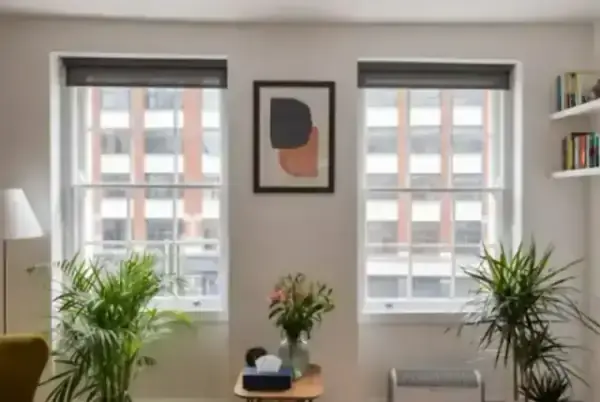
Here was our plan of action:
- Acoustic Glass Upgrade: We recommended 6.4mm acoustic laminated glass. Unlike standard glass, acoustic glass features a special interlayer that absorbs sound waves rather than just vibrating with them.
- The Golden Gap: For maximum noise reduction, the secret is the distance between the original window and the secondary layer. We calculated an optimal 100mm gap to break the path of the sound.
- Bespoke Frames: To keep the solution "invisible" from the street, we custom-manufactured frames that matched the exact lines and "meeting rails" of their original sash windows.
- Hinged and Sliding Units: For the large living room windows, we used horizontally sliding units that allowed Sarah to easily access the original sashes for cleaning and ventilation. In the bedroom, we opted for hinged secondary glazing for a seamless, airtight seal.
The Technical Magic: How it Works
Many homeowners wonder why secondary glazing is so much more effective than standard double glazing for noise. It comes down to physics. In a standard double-glazed unit, the two panes of glass are only about 16mm to 20mm apart. While great for heat, this small gap can actually cause sound to "bridge" across.
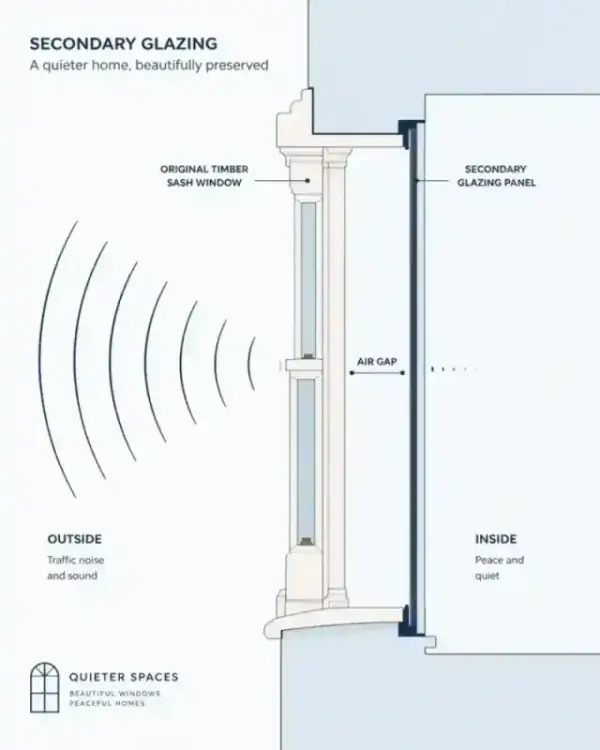
By creating a much larger air gap (often 100mm or more), we essentially create a "dead zone" for sound. This is how we achieve a 70% to 80% reduction in noise: taking a 75dB roar down to a 35dB whisper. To put that in perspective, 35dB is roughly the sound level of a quiet library.
The Result: A Sanctuary in the City
The installation took just under two days. Because secondary glazing doesn't require removing the original windows, there was no scaffolding, no messy plastering, and most importantly, no need for council intervention.
When we finished the installation in the master bedroom, we asked James to stand in the center of the room. A large tour bus rumbled past outside.
"I can't hear it," he whispered. "I can see the bus moving, but it’s like someone put the city on mute."
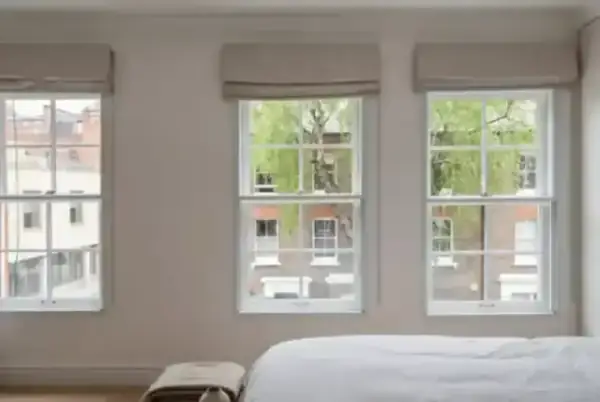
The benefits went beyond just the silence:
- Thermal Comfort: The draft that had plagued the living room for years was gone. The U-values (which measure heat loss) improved significantly, meaning their home would stay warmer for longer with less energy.
- Preserved Aesthetics: From the outside, the flat looked exactly as it did in the 1700s. The heritage of Westminster was safe.
- Increased Property Value: For any flat in central London, being "quiet" is a premium feature. By installing secondary glazing London, they had made their property much more attractive to future buyers.
Is This the Right Choice for Your Home?
Whether you're looking for secondary glazing in Pimlico or you're managing a listed property in the heart of the city, the challenges are often the same: you want modern comfort without losing historic character.
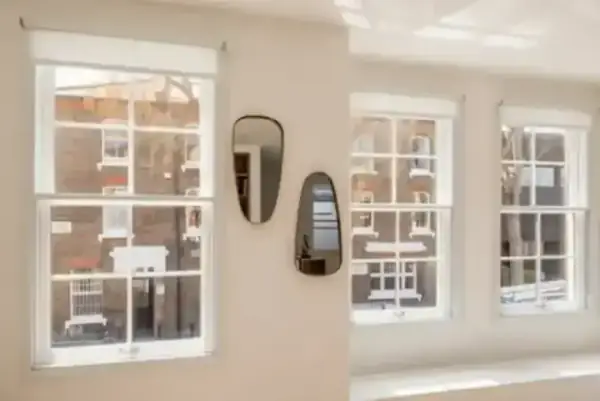
If you find yourself constantly turning up the TV to drown out traffic, or if you're dreading the winter chill because of your beautiful but drafty sashes, it’s worth looking into a tailored secondary glazing solution.
The costs are often 40-60% lower than a full window replacement, and you won't have to spend months fighting for planning permission. You can check out our secondary glazing cost guide to get a feel for the investment required for your specific property.
Sarah and James finally have their peace and quiet. Their Georgian gem is no longer a "noisy flat near Trafalgar Square": it’s a sanctuary. If you’d like to see if we can do the same for your home, we’re always here for a chat or a free survey. After all, everyone deserves a quiet night's sleep, no matter how busy the street outside might be.
WhatsApp us