
You know that specific kind of quiet you expect when you close your front door in Kensington? You’ve left the bustle of the High Street or the hum of South Kensington station behind, and you’re ready for the sanctuary of your home. But for many living in the borough’s stunning period flats, that "sanctuary" is often an illusion.
Instead of peace, you hear the sharp clack-clack of heels on the pavement three floors down. You hear the low rumble of a delivery van idling outside. And, in the most frustrating cases, like the one we recently tackled for a resident named Sarah, you can practically hear your neighbor’s morning coffee routine. Sarah told us, quite literally, "I could hear my neighbors coughing through the glass."
If you’re nodding along, you’re likely dealing with the classic Kensington paradox: you live in one of the most beautiful buildings in the world, but your original single-paned windows are essentially just holes in the wall when it comes to acoustics and heat.
The good news? You don’t have to move, and you don’t have to fight a losing battle with the planning office to replace those historic sashes. The answer is bespoke secondary glazing London residents have been using to reclaim their peace for years.
The Kensington Reality: Great Architecture, Zero Soundproofing
Kensington is a borough of extremes. You have quiet, leafy crescents that are suddenly pierced by the roar of a supercar or the persistent chime of a nearby construction site. Because so many properties here are Grade II listed or sit within strictly protected conservation areas, the windows are often original, and original means thin.
Sarah lived in a gorgeous mansion block just off Gloucester Road. Her flat had everything: high ceilings, original cornicing, and massive sash windows that let in a flood of natural light. But those windows were also her biggest headache.
"It wasn’t just the street noise," she explained. "It was the way the sound seemed to bounce around. Every siren felt like it was inside the living room. And because the glass was so thin, I felt like I had zero privacy. If I could hear the people outside, surely they could hear me?"
Why "Just Getting Double Glazing" Wasn't an Option
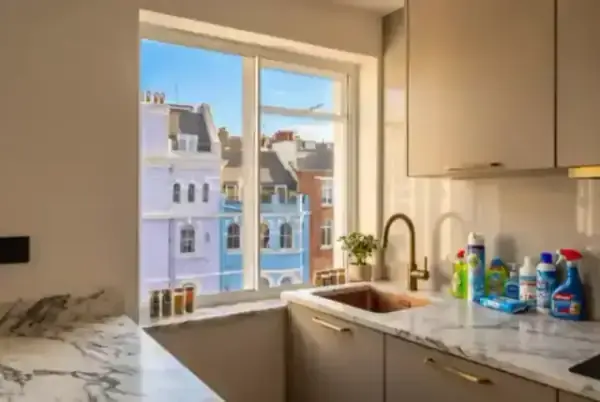
When Sarah first looked into soundproofing flats Kensington, she hit a wall. Her building was listed, and the residents’ association was (rightfully) protective of the building’s façade. Full window replacement was off the table. Even if she could have gotten permission, the cost of high-quality timber double-glazed sashes for a flat of that size would have been astronomical, often 60% more expensive than the solution we eventually provided.
This is where many homeowners get stuck. They think they have to choose between keeping their home’s character and being able to sleep through the night.
But secondary glazing is different. It’s an internal addition. It doesn’t touch the exterior, doesn't require "breaking" the building's historic fabric, and is widely accepted by Kensington and Chelsea planning officers because it’s entirely reversible. It’s the "stealth" way to get modern performance in a period home.
The Bespoke Plan: More Than Just Another Layer of Glass
Every period window has its own quirks. They aren't perfectly square; they’ve settled over a century or two. For Sarah’s flat, we couldn't just use a "one size fits all" kit. We needed a solution that mirrored her existing windows so perfectly that you wouldn’t even notice it was there.
We recommended a combination of bespoke secondary glazing units:
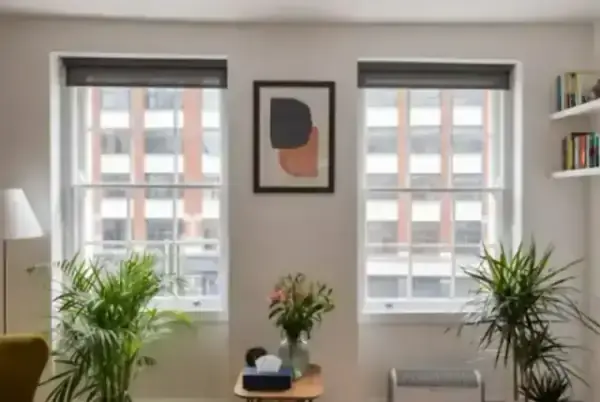
- Vertical Sliders: For her large sash windows, we installed units that align perfectly with the original meeting rails. When they’re closed, the frames disappear behind the original timber.
- Acoustic Glass: This is the secret sauce. Standard glass is okay, but for true soundproofing, we used specialized acoustic laminate glass. It features a transparent interlayer that acts like a dampener for sound waves.
- The "Air Gap" Strategy: This is a bit of technical magic that often surprises people. To get the best soundproofing, you don't want the secondary glazing right up against the original window. By leaving a calculated gap (usually 100mm to 150mm), we create a "buffer zone" of air that significantly kills off decibels before they reach your ears.
The Result: From "Echo Chamber" to "Library Quiet"
When we finished the installation, which, for a flat like Sarah's, typically takes just a day or two with very little mess, the change was immediate.
"It was like someone had put the whole world on mute," Sarah said.
We didn't just stop the neighbors' coughing from drifting in; we transformed the thermal comfort of the flat. Those drafty Kensington sashes were no longer letting in a constant stream of cold air. Sarah’s heating bills dropped, and that "chill" that usually settles into period flats by November was gone.
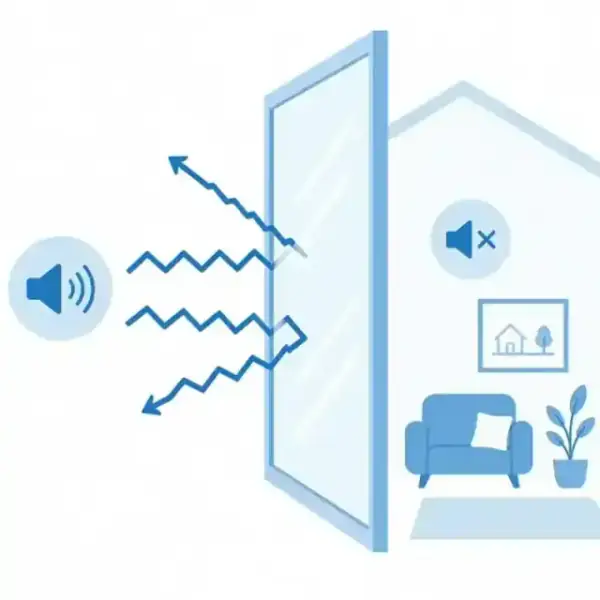
But let's talk numbers, because "feeling quiet" is one thing, but measurable results are another. High-quality secondary glazing for period homes London specialists like us install can reduce noise by 70% to 80%. In Sarah’s case, the peak noise levels from the street dropped by nearly 45 decibels. To give you an idea of what that means: a loud conversation at 60dB was reduced to a faint whisper.
Is This Right for Your Kensington Flat?
If you’re weighing up your options, here’s a quick checklist to help you decide if secondary glazing is the path forward:
- Are you in a Conservation Area? If yes, secondary glazing is usually your easiest and most cost-effective route to comfort. You can read more about the rules for listed buildings here.
- Is noise your primary enemy? If you’re dealing with "supercar rumble" or construction, acoustic glass is a must-have. Double glazing is great for heat, but for serious noise reduction, secondary glazing with a wide air gap actually performs better.
- Do you want to keep your original windows? If you love your original timber sashes and don’t want to rip them out, this preserves them while making them liveable for the 21st century.
Real Solutions for Real London Homes
We see stories like Sarah’s every week across Kensington, Chelsea, and Westminster. These buildings weren't designed for the noise of 2026, but they are too beautiful to abandon to the drafts and the din.
Upgrading your home doesn't have to be a bureaucratic nightmare or a six-figure construction project. Often, the best solution is the one that sits quietly in the background, letting you enjoy your home exactly the way you imagined when you first moved in.
If you’re tired of hearing your neighbors (or the Gloucester Road traffic), it might be time to look at what’s happening on the inside of your windows. We’ve helped hundreds of Londoners find that "library quiet" feeling again.
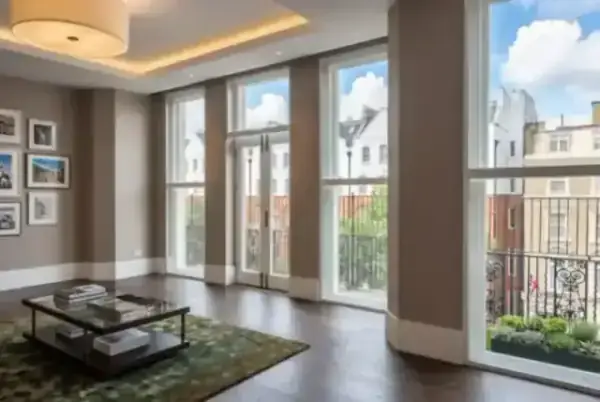
Ready to quiet your Kensington sanctuary? Whether you're in a mansion block or a terraced townhouse, our team can help you find the right fit. You can check out our full guide on achieving 80% noise reduction or compare the benefits of secondary vs double glazing to see what works best for your specific property.
Don't let your beautiful period windows be the reason you don't get a good night's sleep. Let's make your home the quiet retreat it was meant to be.