
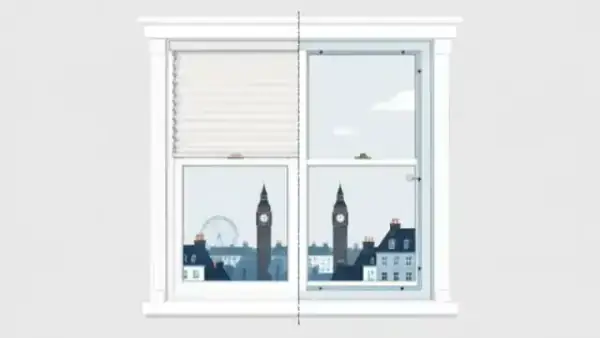
# Secondary Glazing Vs Thermal Blinds: Which Is Better For Your Sash Windows?
If you’re sitting in your London living room right now feeling a distinct chill despite the heating being on full blast, you’re likely looking at your beautiful (but drafty) sash windows with a bit of a love-hate relationship. The big question is: do you go for the quick fix of thermal blinds, or do you invest in secondary glazing?
Here’s the short answer: Secondary glazing is significantly more effective, reducing heat loss by over 60% and cutting heating bills by up to 15%. Thermal blinds are a great "helping hand" and cheaper upfront, but they only work when they’re closed and they don’t tackle the pesky drafts coming through the window frame itself.
Let’s break down which one actually deserves a spot in your home.
The Lowdown on Thermal Blinds
Thermal blinds, often called "honeycomb" or "cellular" blinds, are designed with a specific structure that traps air in pockets. Think of it like a duvet for your window.
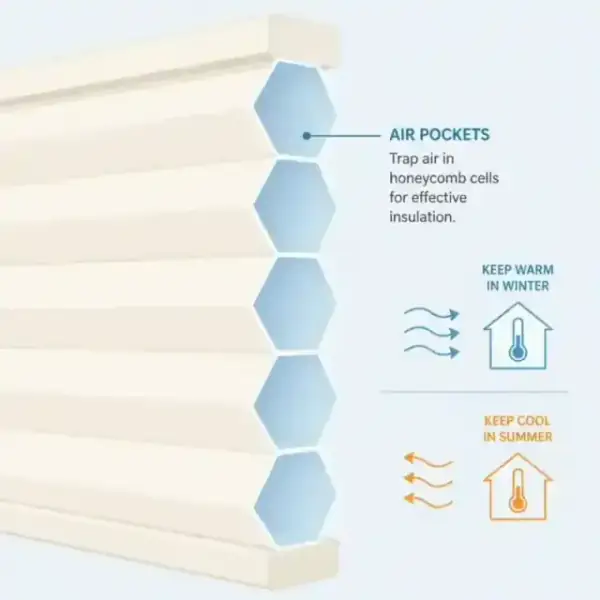
The Pros
- Affordability: They are much cheaper than any glazing solution. You can pick them up at most high-street retailers and fit them yourself in an afternoon.
- Privacy: They do two jobs at once: keeping you warm and keeping the neighbors from seeing what you’re having for dinner.
- Easy DIY: No specialist tools or surveys required.
The Cons
- The "Closed" Problem: A thermal blind only works when it's down. If you want to enjoy the daylight or the view of the street, you’re losing all that thermal benefit the second you pull the cord.
- Drafts Still Get In: Sash windows are notorious for "rattle and roll" drafts. A blind sits in front of the window, but cold air can still spill out from the sides and the bottom of the fabric.
- Condensation: Because they trap cold air against the glass, they can sometimes make condensation issues worse on the original pane.
Why Secondary Glazing is a Game Changer
If you live in a period property or a conservation area, you probably already know that full window replacement is either eye-wateringly expensive or flat-out not allowed. This is where secondary glazing benefits really shine.

Unlike a blind, secondary glazing involves installing a discreet second pane of glass inside your existing window frame. It creates a permanent, sealed air gap that acts as a powerful insulator.
Thermal Insulation for Sash Windows
The magic of secondary glazing lies in the air gap. When we install a unit, we’re creating a "thermal break" that prevents the cold from the outside glass from reaching the air inside your room.
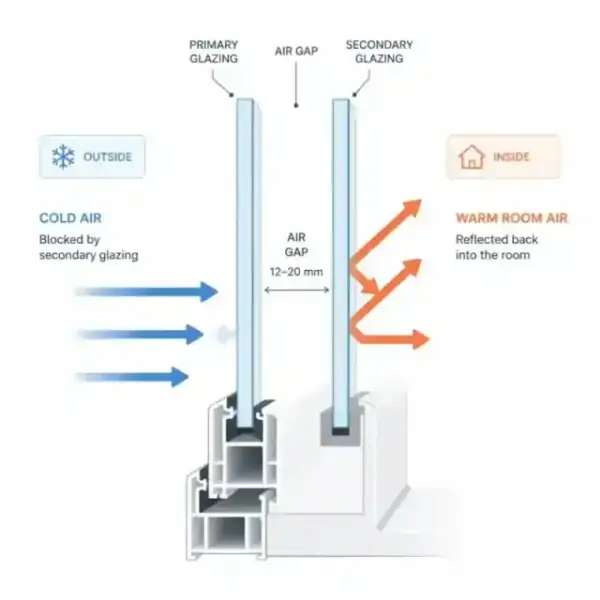
While a thermal blind might reduce heat loss by about 30-40% at best, a professional secondary glazing system can cut it by over 60%. If you use high-performance glass, that number goes even higher. This directly translates to energy cost savings, often lowering your annual heating bills by about 15%. In the current climate, that's not just "nice to have": it's a significant win for your wallet.
The Draft-Busting Factor
One of the 7 mistakes you’re making with sash window insulation is ignoring the gaps around the meeting rails and the sashes. Thermal blinds can't stop air movement. Secondary glazing, however, is a physical barrier. It seals the entire window opening, meaning those icy London drafts are stopped dead in their tracks.
Let’s Talk Numbers: The "Nerd" Bit
In the world of home improvement, we talk a lot about U-values. You don't need to be a physicist to understand them: the lower the U-value, the better the window is at keeping heat in.
- Single Glazing: U-value of approx 5.4 to 5.8. (Basically a hole in your wall in terms of heat loss).
- Single Glazing + Thermal Blinds: U-value drops to approx 2.4. (A decent improvement).
- Secondary Glazing: U-value drops to approx 1.7 to 1.8. (Nearly as good as modern double glazing).
When you look at it this way, secondary glazing is nearly twice as effective as even the best thermal blinds. If you’re curious about how this stacks up against other options, check out our guide on secondary glazing vs double glazing for your energy bills.
Lifestyle: Light vs. Heat
One of the biggest frustrations our customers have with blinds is the "cave effect." To keep the heat in during a cold January, you have to keep the blinds closed, which means living in artificial light all day.
With secondary glazing, you get the thermal performance of a wall but the transparency of a window. You can keep your home a cozy 21 degrees while still enjoying the winter sun hitting your floorboards. Plus, you get the added bonus of 80% noise reduction, which a fabric blind simply can't compete with. If you live near a busy bus route or a train line, this is often the "hidden" benefit that people end up loving the most.
The Verdict: Which One Should You Choose?
So, which is better for your sash windows?
Choose Thermal Blinds if:
- You are on a very tight budget right now.
- You need a temporary fix for a guest room that isn't used often.
- You are renting and can't get permission for any permanent additions.
Choose Secondary Glazing if:
- You want a permanent solution that lets you keep your view and natural light.
- You want to maximize your energy cost savings and see a real drop in your heating bills.
- You are tired of drafts and street noise keeping you up at night.
- You want to preserve the heritage look of your home while enjoying 21st-century comfort.
Ultimately, many of our clients actually do both! They install secondary glazing for the heavy-duty thermal and acoustic work, and then add a stylish blind or curtain for aesthetic and privacy reasons. It’s the ultimate "belt and braces" approach to a warm, quiet London home.
If you’re tired of the winter drafts and want to see how secondary glazing could transform your specific windows, the best next step is a quick survey. We can look at your frames, talk through the opening styles (like sliding or hinged), and give you a clear idea of the savings you could be making.
Ready to stop the chill? Give us a shout for a friendly chat about your windows. We’ve helped hundreds of Londoners turn their drafty period homes into cozy retreats, and we’d love to help you do the same.
WhatsApp us