
If you own a period property, you've likely faced this dilemma: your beautiful historic windows are letting in cold air, outside noise, and driving up your heating bills. But should you install secondary glazing or replace your windows entirely? This decision can dramatically impact your home's efficiency, appearance, and even its legal compliance.
The short answer? For most period homes, secondary glazing is the superior choice. But the complete answer depends on your specific situation, budget, and long-term goals. Let's dive deep into this comparison to help you make the right decision for your historic home.
Understanding Period Home Window Challenges
Period properties present unique challenges that modern homes simply don't face. Built between the Georgian era and the early 20th century, these homes were constructed when energy efficiency wasn't a priority. Single-glazed windows, often with original timber frames, were designed for a time when fuel was cheap and environmental concerns were minimal.
Today's period homeowners face a perfect storm of issues:
- Heat loss through single-glazed windows can account for up to 25% of total home energy loss
- Noise pollution from busy streets penetrates easily through thin glass
- Condensation forms on cold glass surfaces, potentially damaging window frames and surrounding walls
- Draughts whistle through gaps in aging window frames
- Planning restrictions limit what modifications you can make
These challenges have led many homeowners to consider window upgrades, but the question remains: which type of upgrade delivers the best results?
Secondary Glazing: The Comprehensive Analysis
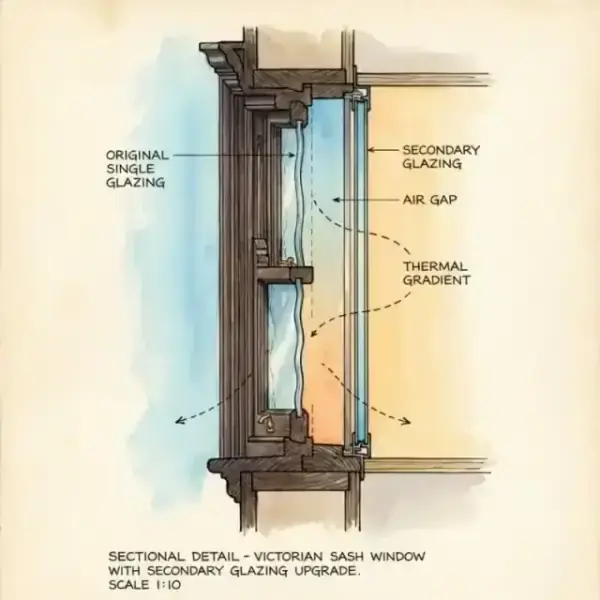
Secondary glazing involves installing an additional glazed panel on the interior side of your existing windows. This creates an insulating air gap while preserving your original windows completely intact.
How Secondary Glazing Works
The system operates on a simple principle: trapped air acts as an insulator. When you install a secondary glazed panel 15-20mm away from your original window, you create a buffer zone that dramatically reduces heat transfer and sound transmission.
Modern secondary glazing systems use:
- Low-E glass to reflect heat back into your room
- Precision-engineered frames that seal tightly against your window reveal
- Various opening mechanisms including sliding, hinged, and lift-out options
- Acoustic glass for superior noise reduction in high-traffic areas
Secondary Glazing Performance Metrics
Thermal Performance:
- Reduces heat loss by 50-60% compared to single glazing
- Achieves U-values of 2.8-3.5 W/m²K (compared to 5.0+ for single glazing)
- Eliminates cold spots and reduces condensation by 60-80%
Acoustic Performance:
- Reduces noise by 80% (approximately 10-15 decibels)
- Particularly effective against low-frequency traffic noise
- Creates noticeable improvement in street-facing rooms
Energy Savings:
- Typical heating bill reduction: 15-25% annually
- Payback period: 5-8 years depending on energy costs
- Minimal ongoing maintenance costs
Secondary Glazing Advantages
Preservation of Original Features
Your historic windows remain completely untouched. This means:
- Original glass character and imperfections are preserved
- Historic glazing bars and framework stay intact
- Property retains its authentic period appearance from outside
- Reversible installation if requirements change
Planning Permission Benefits
Secondary glazing typically requires no planning permission because:
- No external changes to building appearance
- Classified as internal alteration rather than window replacement
- Acceptable in conservation areas and listed buildings
- No consultation required with conservation officers
Cost Effectiveness
- Installation costs 50-60% less than window replacement
- No structural work required to window openings
- Minimal decoration disruption
- Can be installed room by room as budget allows
Quick Installation
- Most rooms completed in half a day
- No removal of existing windows
- Minimal dust and debris
- Immediate benefits upon completion
Secondary Glazing Disadvantages
Accessibility Limitations
- Two sets of windows to open for cleaning or ventilation
- Internal sill space reduced by frame depth
- May limit access to window hardware
Aesthetic Considerations
- Additional frames visible from inside
- Potential for visual clutter in smaller rooms
- May not suit minimalist interior design preferences
Performance Limitations
- Not as thermally efficient as modern double glazing
- Won't address structural issues with original windows
- May not prevent all condensation if original windows are very cold
New Windows: Complete Analysis
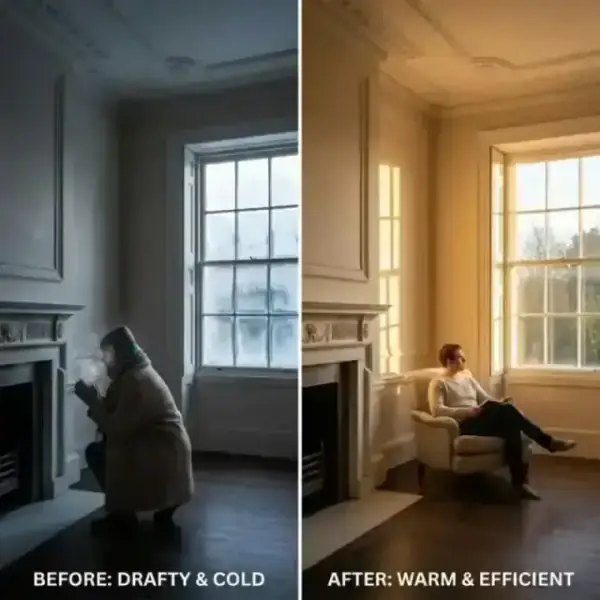
Window replacement involves removing your existing windows entirely and installing modern double or triple-glazed units in their place.
Modern Window Technology
Today's replacement windows offer impressive technological advances:
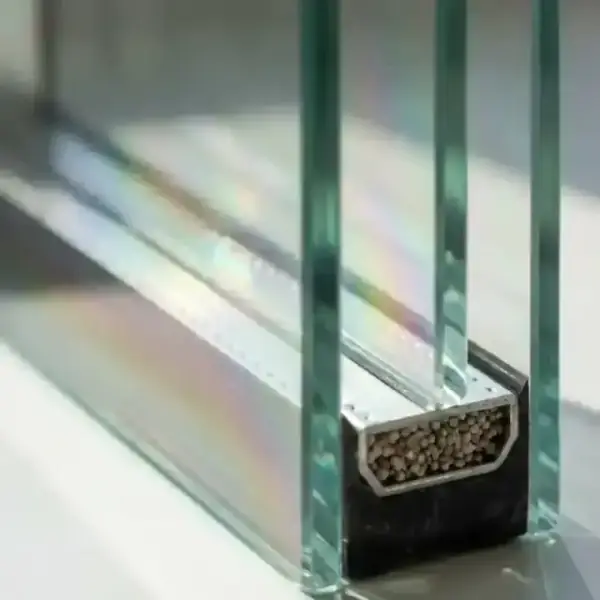
- Triple glazing with U-values as low as 0.8 W/m²K
- Argon or krypton gas fills for enhanced insulation
- Warm edge spacer bars to reduce thermal bridging
- Multi-point locking systems for improved security
- Self-cleaning glass options for reduced maintenance
New Window Performance Metrics
Thermal Performance:
- Reduces heat loss by 70-80% compared to single glazing
- Achieves U-values of 1.2-1.6 W/m²K for quality double glazing
- Virtually eliminates condensation problems
- Significant reduction in cold spots and draughts
Acoustic Performance:
- Noise reduction up to 85% with acoustic glazing options
- Effective against both high and low-frequency noise
- Sealed units prevent air gaps that allow sound transmission
Energy Savings:
- Heating bill reduction: 25-35% annually
- Payback period: 8-15 years depending on window quality
- Long-term performance with 20+ year warranties
New Window Advantages
Maximum Energy Efficiency
- Superior thermal performance compared to any secondary glazing system
- Addresses structural issues with window frames simultaneously
- Modern ventilation options built into design
Simplified Operation
- Single window system for opening, closing, and cleaning
- Modern hardware designed for ease of use
- Integrated security features
Long-term Solution
- 20-25 year expected lifespan with minimal maintenance
- Comprehensive warranties covering glass and hardware
- Modern materials resistant to weather damage
Property Value Enhancement
- Significant improvement to Energy Performance Certificate rating
- Appeals to modern buyers prioritizing efficiency
- Can increase property value by 8-12% in some areas
New Window Disadvantages
Planning Permission Challenges
For period properties, replacement windows face significant hurdles:
- Listed buildings: Often outright prohibited
- Conservation areas: Require detailed planning applications
- Design restrictions: Must match original window proportions and materials
- Glass specifications: May need to use less efficient glass to maintain appearance
High Costs
- Installation costs 200-300% higher than secondary glazing
- Structural modifications may be required
- Potential need for planning consultant and architectural drawings
- Decoration costs for interior and exterior work
Heritage Loss
- Irreversible removal of original historic fabric
- Loss of authentic period character
- Potential impact on property's heritage value
- May affect insurance coverage for period properties
Installation Disruption
- Several days of work per window
- Significant dust and debris
- Possible structural complications
- Weather exposure during installation
Direct Comparison: Secondary Glazing vs New Windows
| Factor | Secondary Glazing | New Windows |
|---|---|---|
| Installation Cost | £300-600 per window | £800-1,500 per window |
| Planning Permission | Usually not required | Often required for period homes |
| Installation Time | 2-4 hours per window | 1-2 days per window |
| Heat Loss Reduction | 50-60% | 70-80% |
| Noise Reduction | 80% (10-15 dB) | 85% (15-20 dB) |
| Payback Period | 5-8 years | 8-15 years |
| Heritage Preservation | Complete preservation | Original windows lost |
| Reversibility | Fully reversible | Permanent change |
| Maintenance | Low (clean both sides) | Very low (single unit) |
| Expected Lifespan | 15-20 years | 20-25 years |
Detailed Cost Analysis
Understanding the true cost of each option requires looking beyond initial installation prices.
Secondary Glazing Costs
Initial Investment:
- Standard secondary glazing: £300-450 per window
- Acoustic secondary glazing: £450-600 per window
- Specialist systems for listed buildings: £500-700 per window
Annual Running Costs:
- Cleaning: £50-100 annually (professional)
- Maintenance: £20-50 annually
- Energy savings: £200-400 annually (typical house)
5-Year Total Cost of Ownership:
- Initial cost: £6,000 (10 windows)
- Running costs: £350
- Energy savings: -£1,500
- Net 5-year cost: £4,850
New Windows Costs
Initial Investment:
- Quality double glazing: £800-1,200 per window
- Premium double glazing: £1,000-1,500 per window
- Planning permission and consultancy: £2,000-5,000
- Building work and decoration: £1,000-3,000
Annual Running Costs:
- Cleaning: £30-60 annually
- Maintenance: £50-100 annually
- Energy savings: £300-600 annually
5-Year Total Cost of Ownership:
- Initial cost: £15,000 (10 windows + planning)
- Running costs: £750
- Energy savings: -£2,250
- Net 5-year cost: £13,500
Planning Permission: The Critical Factor
For period property owners, planning permission often determines which option is viable.
Secondary Glazing and Planning
Secondary glazing is considered "permitted development" in most cases because:
- No external appearance changes
- No structural alterations to building fabric
- Classified as internal improvement rather than building alteration
- Even in conservation areas, internal modifications rarely require permission
Listed Building Considerations:
- Grade I and II* listed buildings: Usually acceptable as internal work
- Grade II listed buildings: May require listed building consent for internal work
- Conservation areas: Generally no restrictions on internal secondary glazing
New Windows and Planning
Window replacement in period properties faces substantial planning hurdles:
Listed Buildings:
- Grade I: Replacement windows almost never approved
- Grade II*: Requires exceptional justification
- Grade II: Possible with exact heritage-style replicas, but expensive
Conservation Areas:
- Planning application required in most cases
- Must demonstrate heritage benefit or structural necessity
- Design must match original window specifications exactly
- Consultation period allows public objections
Common Rejection Reasons:
- Inappropriate materials (UPVC almost always rejected)
- Wrong proportions or glazing bar patterns
- Modern hardware visible from outside
- Insufficient justification for heritage harm
Energy Efficiency: The Technical Comparison
Understanding energy efficiency requires examining specific performance metrics.
U-Values Explained
U-values measure how much heat passes through a material. Lower numbers indicate better insulation.
Single Glazing: 5.0-5.7 W/m²K
Secondary Glazing: 2.8-3.5 W/m²K
Modern Double Glazing: 1.2-1.6 W/m²K
Triple Glazing: 0.8-1.2 W/m²K
Real-World Performance
Secondary Glazing Performance:
- Reduces heat loss by 50-60%
- Most effective when original windows are in good structural condition
- Performance varies with air gap size (15-20mm optimal)
- Acoustic benefits often more noticeable than thermal
New Window Performance:
- Reduces heat loss by 70-80%
- Consistent performance regardless of original window condition
- Modern sealing eliminates virtually all draughts
- Integrated ventilation systems prevent condensation
Building Regulations Compliance
Current Standards:
- New windows must achieve U-values of 1.6 W/m²K or better
- Secondary glazing exempt from building regulations (retrofit improvement)
- Energy Performance Certificate improvements significant with both options
Case Studies: Real-World Applications
Case Study 1: Georgian Terraced House, Bath
Property: Grade II listed, 1820s, Bath stone façade
Challenge: Street noise, heat loss, conservation requirements
Solution: Secondary glazing throughout
Results after 12 months:
- Heating bills reduced by £480 annually
- Noise levels decreased by 12 decibels
- No planning permission required
- Installation completed in 3 days
- Total investment: £7,200 for 12 windows
Owner feedback: "The transformation is remarkable. We can finally hear ourselves think, and the house feels warm for the first time in winter. The conservation officer confirmed we made the right choice."
Case Study 2: Victorian Villa, Edinburgh
Property: Conservation area, 1890s, bay windows
Challenge: Planning rejection for window replacement
Solution: New windows after successful planning appeal
Results after 24 months:
- Heating bills reduced by £650 annually
- Planning process took 14 months
- Installation required structural modifications
- Total investment: £18,500 for 14 windows including planning costs
Owner feedback: "The windows are beautiful and efficient, but the process was exhausting. If I'd known how complex planning would be, I might have chosen secondary glazing."
Case Study 3: Edwardian House, London
Property: Non-listed, conservation area
Challenge: Noise from main road, energy efficiency
Solution: Acoustic secondary glazing
Results after 6 months:
- Traffic noise reduced by 85%
- Heating bills reduced by £320 annually
- Improved significantly at resale
- Installation in 2 days with no planning delays
- Total investment: £4,800 for 8 windows
Owner feedback: "The acoustic performance exceeded expectations. We chose secondary glazing for speed and simplicity – it was the right decision."
Scenarios: Which Solution Fits Your Situation?
Choose Secondary Glazing When:
You live in a listed building
- Planning permission for replacement windows unlikely
- Heritage preservation essential
- Reversible solution may be required
Budget is a primary concern
- Immediate improvement needed within limited budget
- Phased installation possible room by room
- Quick payback period important
Minimal disruption required
- Quick installation essential
- Limited time for major building work
- Elderly or vulnerable occupants in residence
Original windows have heritage value
- Handmade glass with character
- Original hardware worth preserving
- Architectural significance
Choose New Windows When:
Original windows are structurally failing
- Extensive rot or damage beyond repair
- Safety concerns with existing glazing
- Multiple window operations failing
Maximum energy efficiency is priority
- Passive house standards required
- Long-term investment in efficiency
- Climate change mitigation focus
Non-heritage property
- No planning restrictions
- Modern aesthetic preferred
- Resale to efficiency-focused buyers planned
Single solution preferred
- Simplified operation important
- Minimal long-term maintenance desired
- Integrated security features required
Long-term Value Analysis
10-Year Financial Projection
Secondary Glazing:
- Initial cost: £6,000
- Energy savings: £3,000
- Maintenance: £500
- Net cost over 10 years: £3,500
- Return on investment: 42%
New Windows:
- Initial cost: £15,000
- Energy savings: £4,500
- Maintenance: £800
- Net cost over 10 years: £11,300
- Return on investment: 25%
Property Value Impact
Secondary Glazing:
- EPC rating improvement: 1-2 bands
- Property value increase: 2-4%
- Heritage value preserved
- Broad buyer appeal
New Windows:
- EPC rating improvement: 2-3 bands
- Property value increase: 5-8%
- Modern buyer appeal
- Potential heritage value loss
Maintenance Requirements
Secondary Glazing Maintenance
Annual Tasks:
- Clean both sides of glazing (inside and outside windows)
- Check seals and adjust if necessary
- Lubricate opening mechanisms
- Inspect fixings and tighten if required
Estimated annual cost: £100-150
Long-term considerations:
- Glass replacement rarely needed
- Frame refurbishment every 15-20 years
- Simple mechanical systems reduce breakdown risk
New Window Maintenance
Annual Tasks:
- Clean glazed units (internal and external accessible sides)
- Check and lubricate hardware
- Inspect and replace seals as needed
- Drainage hole maintenance
Estimated annual cost: £80-120
Long-term considerations:
- Glazed unit replacement may be needed (10-15 years)
- Hardware replacement possible (15-20 years)
- More complex systems require specialist maintenance
Making Your Decision: Key Questions
Before choosing between secondary glazing and new windows, ask yourself:
-
What are my planning restrictions?
- Listed building status
- Conservation area requirements
- Local authority policies
-
What's my primary goal?
- Maximum energy efficiency
- Noise reduction
- Heritage preservation
- Cost effectiveness
-
What's my budget and timeline?
- Available funds for initial investment
- Urgency of improvement needed
- Tolerance for disruption
-
What's my long-term plan?
- How long will you own the property?
- Future renovation plans
- Resale considerations
Professional Assessment: When to Seek Help
Consider professional consultation when:
- Property has complex planning status
- Original windows show structural problems
- Multiple window solutions needed
- Energy efficiency requirements are specific
- Heritage considerations are complex
A qualified window specialist can provide:
- Site survey and performance assessment
- Planning permission guidance
- Customized solution recommendations
- Detailed cost-benefit analysis
- Installation timeline and process outline
Conclusion: Making the Right Choice for Your Period Home
For most period property owners, secondary glazing emerges as the clear winner. It delivers substantial improvements in thermal and acoustic performance while preserving heritage value and avoiding planning complications. The cost-effectiveness and quick installation make it accessible for homeowners who need immediate improvement.
However, new windows may be the right choice if your original windows are structurally compromised, you're not in a heritage-protected property, or maximum energy efficiency is your primary goal.
The decision ultimately depends on balancing your priorities:
- Heritage preservation vs. maximum efficiency
- Lower cost vs. long-term investment
- Quick installation vs. comprehensive solution
- Planning simplicity vs. optimal performance
Whatever you choose, both options offer significant improvements over single glazing. The key is selecting the solution that best fits your property, budget, and long-term goals.
If you're ready to explore secondary glazing for your period home, contact Secondary Glazing Specialist for a free consultation and quote. Our experts understand the unique challenges of period properties and can help you make the best decision for your historic home.
For more information about planning permission for historic buildings, visit Historic England's guidance portal. Energy efficiency standards and building regulations are available through the government's official guidance.