
# Secondary Glazing vs Double Glazing: Which Is Better For Your Victorian Sash Windows?
If you live in one of London’s beautiful Victorian terraces or a converted period flat, you know the struggle. Those original sash windows are the soul of your home: they have history, charm, and that classic silhouette that makes a street feel like London. But they also come with a soundtrack of sirens and traffic, and they can make your living room feel like a walk-in fridge by mid-November.
So, you’re faced with a choice: do you rip them out and replace them with modern double glazing, or do you keep the original timber and add secondary glazing?
The direct answer for most London homeowners is this: Secondary glazing is almost always the superior choice for Victorian sash windows. It’s significantly cheaper, avoids the nightmare of planning permission in conservation areas, and: crucially: it actually outperforms standard double glazing when it comes to blocking out the city’s noise.
Let’s look at why keeping your original sashes and adding an "invisible" layer of secondary glazing makes more sense for your home, your wallet, and your peace of mind.
The Heritage Hurdle: Why Your Sashes are Protected
London is a city that loves its history, and the local councils are very protective of it. If you’re in a conservation area or your building is listed, replacing your windows isn't as simple as calling a contractor and picking a style from a catalogue.
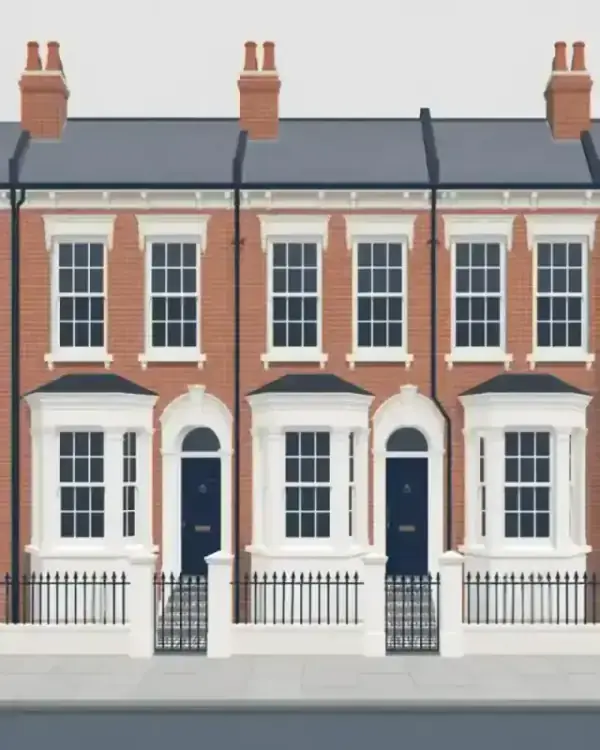
Original Victorian sash windows are part of the "historic fabric" of your home. Standard double glazing requires thicker frames to hold the weight of the two glass panes, which usually means the delicate "glazing bars" (the thin timber bits between the glass) have to be made much chunkier. From the street, it looks wrong. To a planning officer, it’s a red flag.
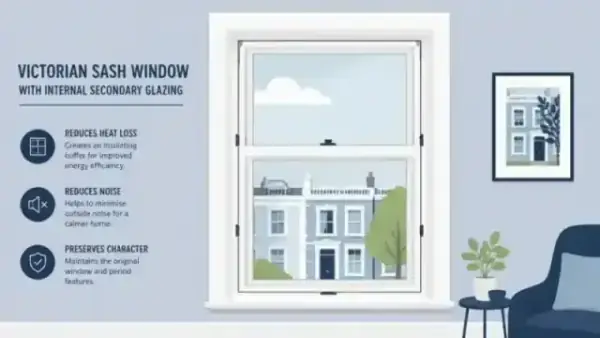
This is where secondary glazing for heritage windows shines. Because it is fitted to the inside of your existing window, it doesn’t change the external appearance of your house by even a millimetre. It’s a reversible, non-intrusive upgrade. In fact, organizations like Historic England often recommend secondary glazing as the preferred way to improve thermal efficiency for Victorian sash windows because it preserves the original joinery.
The Science of Silence: Beating the London Hum
Noise is arguably the biggest challenge for Londoners. Whether it’s the constant thrum of the North Circular or the early morning rumble of the District Line, Victorian single-pane glass does almost nothing to stop it.
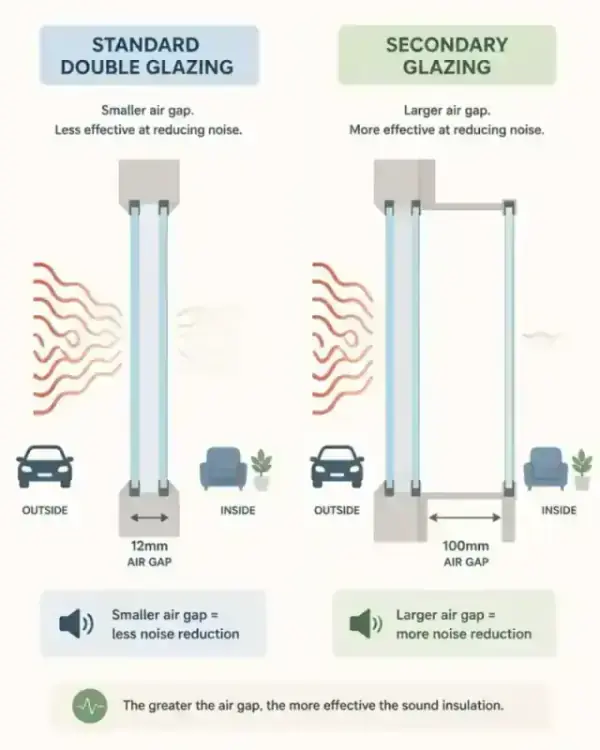
You might assume that new double glazing is the answer, but there’s a technical reason why it often falls short. In a standard double-glazed unit, the two panes of glass are usually only 12mm to 20mm apart. This small gap is great for trapping heat, but sound waves can still jump across it quite easily.
Secondary glazing works differently. Because we install the second pane on the internal reveal of your window, we can create a much larger air gap: often 100mm or more: between the original sash and the new glass. This "dead air" space acts as a massive buffer for sound.
When you combine that gap with acoustic glass (which is laminated to disrupt sound waves), you can achieve a 70-80% reduction in noise. That’s the difference between hearing a bus engine vibrating your floorboards and barely noticing it pass by. If peace and quiet are your priority, we’ve put together a deeper dive into how acoustic glass works for city living.
Warmth Without the Wallop: Tackling Heat Loss
We’ve all done it: tucked a rolled-up towel against the bottom of a sash window to stop a draught. Victorian windows are notorious for "U-values" (the measure of how much heat escapes) that are through the roof.
A single-glazed sash window is basically a hole in your wall where heat leaks out. By adding sash window secondary glazing, you’re creating a sealed thermal barrier. It’s not just about the extra glass; it’s about stopping the draughts that whistle through the old timber frames.
A well-installed secondary system can reduce heat loss through your windows by roughly 60%. In real-world terms, this means you can finally turn the thermostat down a couple of degrees and actually feel the heat stay in the room rather than watching it evaporate. It makes your home much more comfortable and helps chip away at those eye-watering London energy bills.
If you’re worried you might be making other mistakes with your window insulation, check out our guide on the common pitfalls people face with sash windows.
What About the Cost?
Let's talk numbers, because that’s usually the deciding factor. Replacing a full set of Victorian sash windows with high-quality, timber double-glazed replacements is a massive investment. In London, you could easily be looking at £2,500 to £4,000 per window for a bespoke, conservation-grade replacement.
Secondary glazing is typically 40-60% cheaper than full replacement. Because we aren't ripping out your existing frames or doing major structural work, the labour costs are lower, and the installation is much faster: usually taking just a day or two for an entire house.
There’s also the "hidden" cost of replacement: the mess. Removing original sashes involves dust, plaster repair, and usually a fair bit of repainting. Secondary glazing is a "clean" install. We fit it, we seal it, and you don’t even need to move your furniture back.
Is There a Catch?
We like to be honest with our neighbors. Secondary glazing is fantastic, but it does mean you technically have two windows to open instead of one. If you love throwing your windows wide open every morning, you’ll have an extra step.
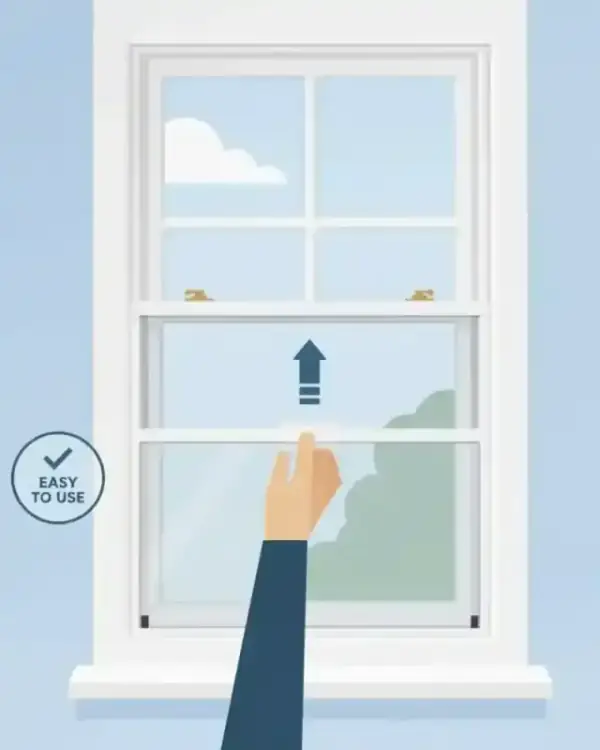
However, modern systems are designed to mirror your existing windows perfectly. For Victorian sashes, we use vertical sliders. The secondary panels slide up and down just like your original windows, so you can still get fresh air easily. We even offer "lift-out" or hinged options for windows you rarely open but need to clean occasionally.
The Verdict: Which Should You Choose?
If you have the budget, the planning permission, and no particular attachment to your original timber, new double glazing is a solid, one-step solution.
But for the vast majority of London homeowners: especially those dealing with traffic noise and strict heritage rules: secondary glazing is the smarter move. You keep the character that made you fall in love with the house in the first place, you save a significant amount of money, and you get a home that is genuinely quieter and warmer than if you’d replaced the windows entirely.
If you’re ready to see how secondary glazing could work in your specific rooms, the best first step is a quick survey. We can look at your window reveals, check for draughts, and show you exactly how "invisible" our frames really are.
No more towels on the windowsills, no more shouting over the traffic: just a quiet, warm, Victorian home that looks exactly the way it was meant to.