
Preserve your beloved Crittall grid pattern completely while transforming comfort and slashing energy bills by 50-65%. Secondary glazing for Crittall windows eliminates condensation, draughts, and noise without touching your authentic 1920s-1950s heritage windows. Save £5,000-£11,000 compared to catastrophic £12,000-£18,000 Crittall replacement costs while keeping every precious grid line visible from the street.
Listed building and conservation area approved. Your original Crittall remains 100% intact – reversible solution protects heritage value forever.
Crittall heritage specialists serving Art Deco buildings, factory conversions, and 1930s homes across London. Grid aesthetic preservation guaranteed.
What Are Crittall Windows?
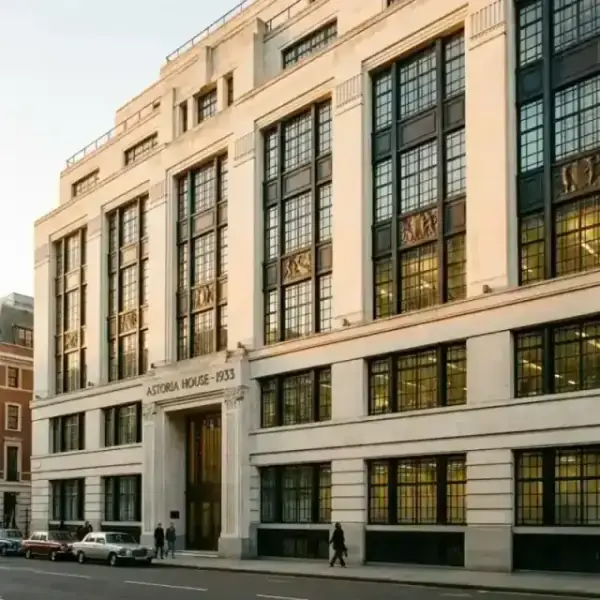
Crittall windows are iconic metal-framed windows from the 1920s-1950s that epitomize British modernist architecture. Created by Francis Crittall & Company in Essex, these distinctive windows defined the Art Deco period with their geometric grid patterns and slim steel frames.
Where You'll Find Crittall Windows:
- 1930s suburban homes – Middle-class modernity, original period features
- Art Deco buildings – 1920s-1930s geometric elegance, often listed
- Factory and warehouse conversions – Authentic industrial heritage, loft aesthetics
- Modernist villas – Clean lines, glass-focused design
- Schools and public buildings – Institutional architecture, frequently protected
- Commercial properties – Offices and retail from early-mid 20th century
The W20 and W40 classic ranges remain instantly recognizable today. Black or dark green metal frames create geometric patterns – typically 6-pane, 9-pane, or 12-pane configurations that define property character from the street.
Why Crittall Owners Cherish Them:
Your Crittall grids aren't just windows – they're design icons. The grid pattern defines your property's architectural heritage and modernist movement connection. Authentic Crittall adds serious desirability and property value, featured in design publications as the epitome of industrial chic. They're irreplaceable heritage features that make your home special.
The Crittall Dilemma: Love the Look, Hate the Performance
You adore your iconic Crittall grids – they're your property's soul, architectural heritage, and design cachet rolled into one. But they're making your life miserable.
Metal Frame Heat Conduction Crisis:
Steel frames conduct heat rapidly, creating massive thermal bridges. Your Crittall frames stay cold to the touch in winter, generating heavy condensation and radiating cold into rooms. Combined with thin 3-4mm single glazing from the 1920s-1950s, you're losing heat constantly. Modern homes are 50-70% more efficient than properties with original Crittall.
The Condensation Nightmare:
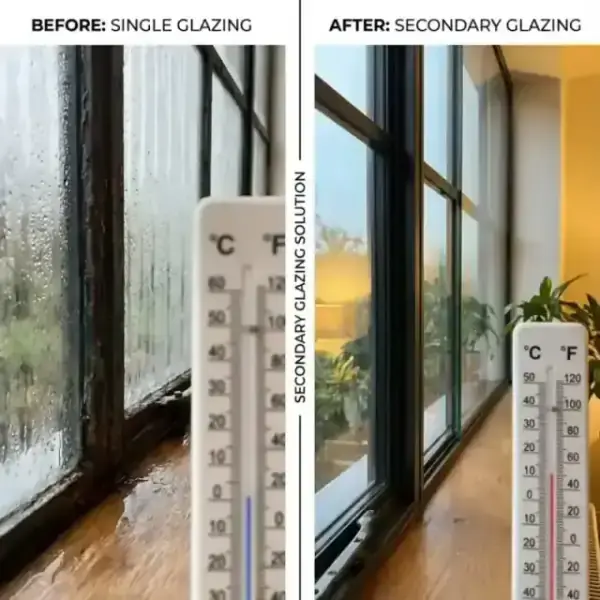
Cold metal frames plus indoor moisture equals water literally running down your frames daily. Grid bars are particularly affected – their slim metal surface area makes them very cold. This leads to mold around frame surrounds, window sills, and wall damage. You're facing frame deterioration, rust on steel frames, and paint blistering that threatens longevity.
Draughts and Noise Amplification:
Aged Crittall units draught heavily – 80-100 year old seals have failed and frames have warped. Multiple opening panels create multiple draught points, and the grid design adds more potential leak paths. Meanwhile, thin single glass provides zero sound insulation, and metal frames transmit vibration, making urban locations unbearably noisy.
The Replacement Cost Shock:
New Crittall windows cost £800-£1,500 per window. For a typical property with 10-15 windows, you're facing £10,000-£15,000 plus £2,000-£3,000 installation – total £12,000-£18,000. Like-for-like heritage Crittall is essential because anything else destroys your property value and character.
Planning Permission Nightmare:
Many Crittall properties are protected. Art Deco buildings are often listed, and conservation areas restrict alterations. Planning authorities resist Crittall replacement because original Crittall is considered a heritage feature. Even for non-listed properties in conservation areas, Crittall is character-defining and replacement is often refused.
Your Biggest Fear: Will any solution hide your precious grids?
How Secondary Glazing Preserves Your Crittall Aesthetic 100%
From the street: Zero change. Your original Crittall grid remains fully visible from outside. Secondary glazing is installed internally with no external alteration. Your property character, neighbors' views, and street scene remain completely unchanged.
From inside: Layered industrial beauty. You'll see slim secondary glazing frames (20-30mm aluminum) installed in your window reveals, with your original Crittall grid clearly visible through the transparent glass behind. Both frames become a feature – design-conscious owners love the layered metal aesthetic.
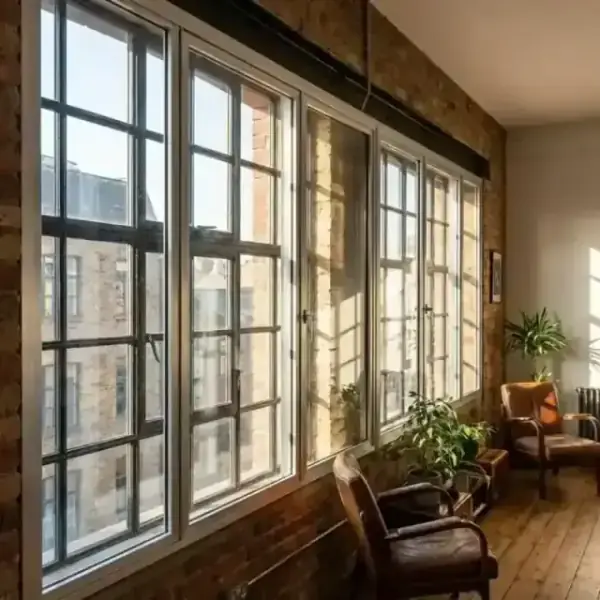
The grid pattern stays dominant. Your Crittall grid remains the primary visual feature. We can color-match secondary frames to blend with your black, dark green, or cream Crittall, or choose white for modern contrast. The result looks intentional and professional, never like an obvious add-on.
Examples of Perfect Preservation:
- Art Deco building: Original black Crittall 9-pane grids facing street, secondary glazing with black aluminum frames inside – from street zero change, from inside cohesive industrial aesthetic
- Factory conversion: W40 warehouse Crittall with large grids, secondary glazing with grey frames – industrial loft character maintained, residents love the layered metal frame look
- 1930s suburban home: Original cream Crittall 6-pane grids, secondary glazing with white frames inside – authentic 1930s character preserved, street view unchanged
Most common owner feedback: "I was terrified secondary glazing would hide my beautiful Crittall grids. I can't believe how well it works – the grids are still the main feature, just with a modern performance boost. From the street, you'd never know there's secondary glazing. It's perfect."
Comprehensive Benefits: Transform Comfort, Preserve Heritage
Stops Metal Frame Heat Conduction
The 50-100mm air gap between your Crittall and secondary glazing breaks the thermal bridge. While your metal Crittall frames still conduct heat, the insulating air gap prevents that cold from transferring to your room. Achieve 50-65% reduction in heat loss with interior spaces finally comfortable near windows.
Annual savings: £500-£900 for typical Crittall properties with 10-15 windows and significant glass area.
Eliminates Condensation Completely
Your warm secondary glazing becomes the interior surface, so condensation no longer forms on your Crittall frames. Any moisture moves to the cold side between windows, away from your living space. Your visible interior surface stays dry – no more water running down frames, no more daily wipe-downs, no more mold.
Dramatic Noise Reduction: 70-80%
The dual barrier effect of your Crittall single glazing plus secondary glazing plus large air gap transforms urban properties. Art Deco buildings on busy streets become quiet sanctuaries. Bedrooms with street-facing Crittall become peaceful. For extreme noise, laminated acoustic glass options (6.8mm to 12.8mm) achieve up to 84% reduction.
Draughts Eliminated Forever
Secondary glazing seals your entire opening with high-quality brush seals. Aged Crittall draught points are sealed behind the secondary layer – failures in your original Crittall sealing no longer matter. Wind no longer penetrates, rooms stay comfortable, and you're not heating the outdoors through draughts.
Preserves Crittall Heritage Value
Your original Crittall stays completely intact with zero alteration to heritage fabric. Your authentic 1920s-1950s windows are retained, property value is preserved, and architectural heritage remains protected. The solution is fully reversible – you can remove secondary glazing and return to original if ever needed.
Avoids Catastrophic Replacement Costs
- Secondary glazing: £3,500-£7,000 (typical property)
- New Crittall replacement: £12,000-£18,000 (typical property)
- Your savings: £5,000-£11,000 (50-70% cheaper than replacement)
You achieve equivalent thermal and acoustic performance to new Crittall while preserving your authentic heritage windows.
Secondary Glazing Options for Your Crittall Windows
Hinged Secondary Glazing – £400-£700 per window
Best for W20 casement Crittall with opening panels where you need regular access. Hinged frames swing open like doors, giving full access to your Crittall windows behind. Typically side-hung to match your Crittall casement direction.
Lift-Out Secondary Glazing – £300-£500 per window
Most economical option, ideal for budget-conscious projects or W40 fixed Crittall. Lightweight panels lift out completely for occasional cleaning access using magnetic catches or clips.
Fixed Secondary Glazing – £350-£600 per window
Best for W40 fixed Crittall that never open, offering maximum thermal and acoustic performance. Permanently fixed with sealing all around – occasional screw removal provides access when needed.
Which Option for Your Crittall?
- W20 opening casement: Hinged secondary recommended (maintains access, matches operation)
- W40 fixed windows: Fixed secondary ideal (maximum performance, never opened anyway)
- Budget priority: Lift-out most economical while providing adequate performance
- Regular access needed: Hinged essential for frequent window operation
All options preserve your grid pattern perfectly.
Glass Specifications for Crittall Properties
Since your Crittall already has thin single glazing, even standard 4mm glass creates significant performance improvement through the dual-layer effect. The air gap size matters more for thermal performance than glass thickness.
Urban Crittall Noise Priority: Minimum 6.8mm laminated glass recommended – Art Deco buildings are often on busy streets where noise reduction is critical.
Extreme Traffic Areas: 8.8mm-10.8mm laminated glass for London Crittall properties facing heavy traffic or flight paths.
Ground Floor Security: Minimum 6.4mm laminated glass – original Crittall often has vulnerable old locks and thin glass requiring protection.
Condensation Elimination: Any glazing configuration effectively eliminates interior condensation through the air gap effect.
Installation Process: Zero Impact on Your Crittall Heritage
1. Initial Consultation
Free home visit to identify your Crittall type (W20/W40, grid patterns, opening styles), discuss grid preservation concerns, and assess any listed building or conservation status.
2. Detailed Survey
Precise Crittall measurements with grid patterns recorded, reveal depth assessed, frame condition evaluated. We photograph your grids for reference and discuss color matching preferences.
3. Specification & Quotation
Recommend hinged, lift-out, or fixed systems per window, determine glass specifications, choose frame colors to match or contrast with your Crittall, provide full cost breakdown with grid preservation assurance.
4. Custom Manufacturing
Secondary frames manufactured to exact Crittall dimensions and color-matched to specification. 4-6 weeks manufacturing time for precision engineering.
5. Professional Installation
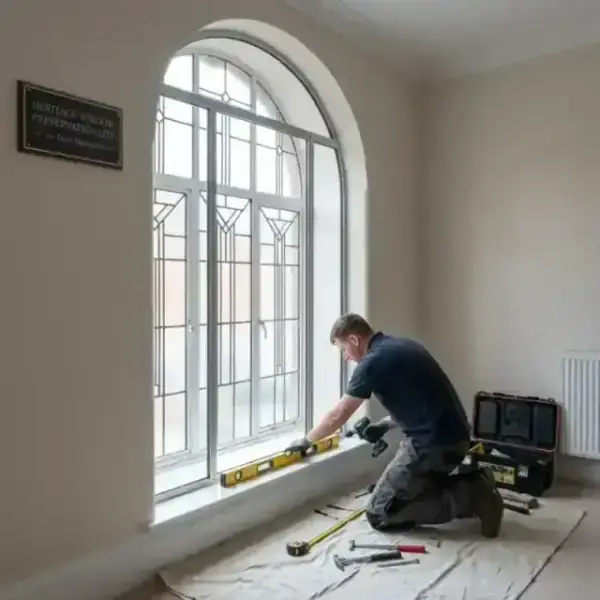
Installed in your Crittall window reveals with your original Crittall completely untouched. Grid visibility confirmed, sealing checked. Typically 2-4 hours per window with minimal disruption.
Installation Considerations:
- Zero alteration to your Crittall heritage fabric
- Interior installation only – no scaffolding or external work required
- Minimal disruption – you can remain in residence throughout
- Your grid pattern stays 100% intact throughout the process
Real Crittall Success Stories
Grade II Art Deco Building, Maida Vale
Sarah owned a stunning 1932 Art Deco flat with 12 original black W20 Crittall windows featuring elegant 6-pane grids. Despite the beauty, her flat was unbearable – freezing despite heating bills of £3,200 annually, condensation running down frames daily, and deafening A5 traffic noise.
When she applied for Crittall replacement (quoted at £14,000), listed building consent was refused. The conservation officer stated: "The original Crittall is integral to the Art Deco character and cannot be removed."
Solution: Hinged secondary glazing on all 12 windows with 6.8mm acoustic glass and black powder-coated frames to match the original Crittall. Total investment: £5,200.
Results after 4 years:
- 61% heating bill reduction saving £7,808 total
- Condensation eliminated completely – frames stay dry
- 76% traffic noise reduction – A5 barely audible
- Crittall grids 100% preserved – conservation officer approved
- Property value enhanced with authentic 1932 Crittall plus modern performance
- Payback achieved in just 0.7 years
"I was heartbroken when they refused my Crittall replacement. Secondary glazing has been miraculous. The grids look exactly the same from the street, my heating bills are finally reasonable, and the flat is quiet for the first time ever. I actually prefer it to replacement now – I've kept my authentic 1932 Crittall AND got modern comfort."
Factory Conversion Loft, Hoxton
This converted textile factory featured massive W40 warehouse Crittall windows – 12-pane industrial grids measuring 3m x 2m each across 8 windows. Despite underfloor heating, the loft stayed freezing with £4,800 annual heating bills. Shoreditch nightlife and traffic made sleep impossible.
Crittall replacement was quoted at £18,000 for the 8 large windows – unaffordable and heartbreaking since the Crittall grids defined the entire loft's industrial aesthetic.
Solution: Fixed secondary glazing on all 8 windows with 10.8mm high-performance acoustic glass and grey powder-coated frames for industrial appeal. Total investment: £8,400.
Results after 4 years:
- 68% heating reduction saving £13,056 total
- 84% noise reduction – Shoreditch nightlife barely audible
- Industrial aesthetic enhanced – layered metal frames look intentional
- Authentic warehouse character completely maintained
- Work from home now possible (previously too noisy)
- Payback achieved in 0.6 years
"Our 3m warehouse Crittall windows are stunning – the grids are the entire loft's character. But they were completely impractical. Secondary glazing has been perfect. The grids still dominate, the grey frames suit our industrial vibe, and the loft is finally comfortable. Best money we've ever spent."
Cost Comparison: Secondary Glazing vs Crittall Replacement
| Factor | Secondary Glazing | New Crittall Replacement |
|---|---|---|
| Cost (typical property) | £3,500-£7,000 | £12,000-£18,000 |
| Grid Preservation | 100% original retained | New Crittall (not original 1920s-1950s) |
| Heritage Value | Authentic Crittall preserved | Lose original heritage fabric |
| Planning Approval | Easy (reversible, internal) | Often refused (loss of original) |
| Installation Time | 2-4 hours per window | Full replacement (weeks) |
| Reversible | Yes (Crittall intact beneath) | No (original destroyed) |
| Listed Building | Approved (reversible) | Usually refused |
Winner: Secondary glazing for cost, heritage preservation, and planning approval.
Your savings: £5,000-£11,000 while keeping your beloved original Crittall grids forever.
Frequently Asked Questions
Will secondary glazing hide my Crittall grid pattern?
No! The grid pattern is 100% preserved. From the street, your Crittall looks exactly the same. From inside, you see through the transparent secondary glazing to the original grid behind, creating a beautiful layered metal aesthetic that most owners love.
How much does secondary glazing cost vs replacing my Crittall?
Secondary glazing: £3,500-£7,000 for a typical property. New Crittall replacement: £12,000-£18,000. You save £5,000-£11,000 (50-70% cheaper) while preserving your authentic heritage windows and achieving equivalent performance.
Will it work for my listed building with protected Crittall?
Perfectly. Secondary glazing is reversible and doesn't alter your original Crittall at all. It's installed internally and invisible from the street. Conservation officers typically approve it because it preserves heritage fabric while improving performance.
Does secondary glazing stop condensation on my Crittall frames?
Yes, completely. The warm secondary glazing becomes the interior surface, so condensation no longer forms on your visible Crittall frames. Your interior surface stays dry – no more daily wipe-downs or mold issues.
Can my Crittall windows still open?
Yes. We install hinged or lift-out secondary glazing that opens independently, giving you full access to your Crittall windows behind. Both windows function independently for ventilation and cleaning.
Ready to transform your Crittall comfort while preserving every precious grid line? Get your free assessment and discover how much you could save compared to replacement costs.
Your authentic Crittall heritage deserves protection – not destruction. Secondary glazing delivers modern performance while keeping your architectural treasures intact forever.
Call us today for your free Crittall assessment and grid preservation consultation.