
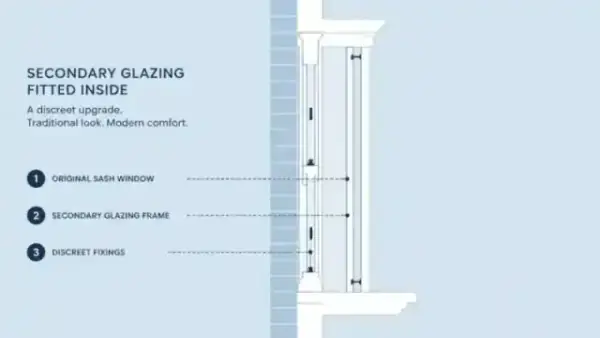
If you live in a period home in London, you’ve likely faced the classic "Sash Window Struggle." On one hand, those original windows are the soul of your property, full of history and charm. On the other hand, they can feel like a direct portal for the North Circular's roar and the winter chill.
So, do you rip them out and start fresh with modern double glazing, or do you add a secondary layer?
The short answer: For most period homes, and almost all listed buildings, secondary glazing is the superior choice. It offers better noise reduction, costs about half as much as high-quality replacements, and preserves your home’s heritage without the headache of planning permission.
Let’s break down why keeping your original sashes might be the best decision you make for your home this year.
The Planning Permission Hurdle (The "Listed" Problem)
If your home is Grade I or Grade II listed, or situated within a conservation area, full window replacement is often off the table before you even start. Local councils are notoriously protective of original timber sashes. Replacing them with modern double glazing can lead to a flat "no" from conservation officers, or a long, expensive battle for listed building consent.
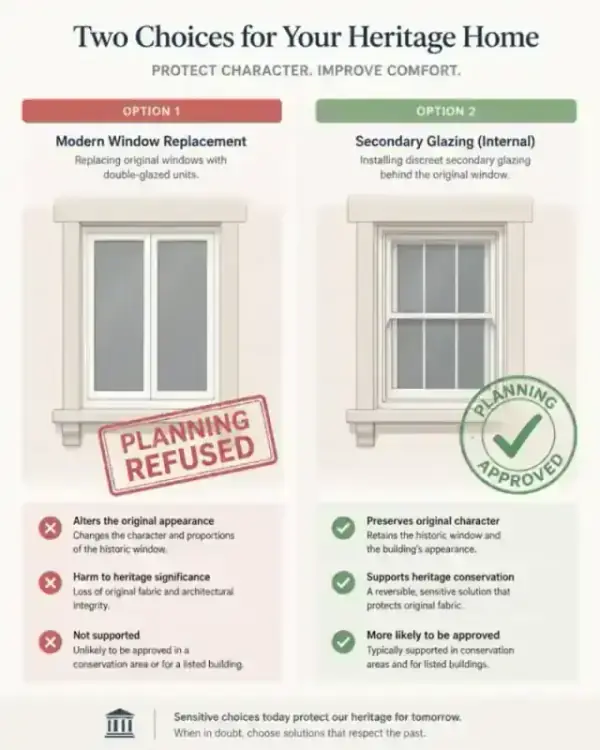
Secondary glazing is different. Because it’s installed on the inside of your existing windows, it doesn’t change the external appearance of the building. It’s also "reversible," meaning it can be removed without damaging the original fabric of the property. This makes it the preferred: and often only: approved solution for upgrading listed building windows.
Noise Reduction: The Secret Weapon
Most people assume new double glazing is the ultimate fix for a noisy street. Surprisingly, secondary glazing actually performs better.
Sound travels through glass via vibration. In a standard double-glazed unit, the two panes are very close together (usually about 16-20mm apart). This small gap can actually pick up and transmit certain frequencies of noise.
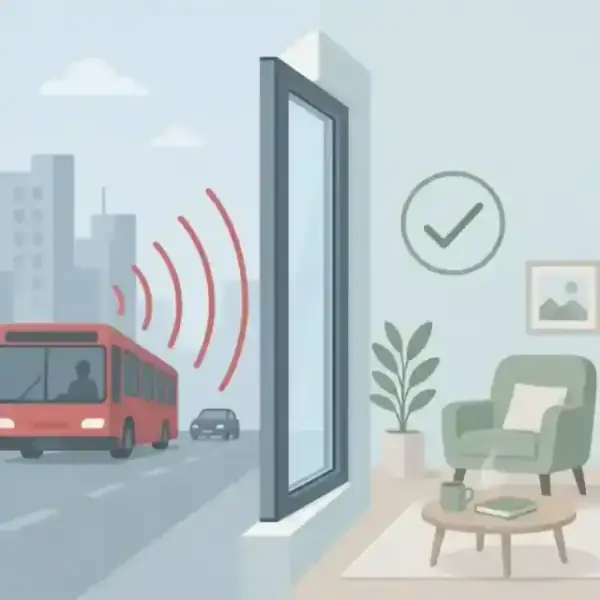
With secondary glazing, we create a much larger air gap: typically 100mm to 150mm. This wide gap acts as a powerful acoustic buffer. When you combine this with specialist acoustic glass, you can achieve a 70-80% reduction in noise (up to 54dB). That’s the difference between hearing every siren on the high street and finally getting a full night's sleep.
Let’s Talk Money: Costs vs. Value
Upgrading a home full of windows is a significant investment. When comparing the two, the price gap is hard to ignore:
- Full Sash Replacement: High-quality, timber double-glazed sashes that match your home's aesthetic can cost anywhere from £800 to £1,200 per window.
- Secondary Glazing: A professional installation typically costs between £200 and £400 per window.
You’re essentially getting the same (or better) thermal and acoustic performance for 40-60% less. Plus, because the installation is non-intrusive, you won’t have to spend extra on redecorating or fixing damaged plaster around the window frames: a hidden cost that often catches homeowners by surprise during full replacements.
Thermal Performance: Staying Toasty
We’ve all felt that "ghostly draft" coming off an old single-glazed pane. It’s not just uncomfortable; it’s expensive.
A single-glazed sash window has a poor U-value (the measure of how much heat escapes). By adding a secondary pane with a low-E coating, you’re creating an extra layer of insulation that can reduce heat loss by about 50-60%.
While modern double glazing is slightly more efficient at trapping heat, the difference in your energy bills is often negligible compared to the massive upfront cost. In fact, most of our clients see an immediate 15% reduction in their heating bills after installation.
Preservation Over Replacement
There’s an environmental and aesthetic argument to be made for secondary glazing, too. Original sash windows were built to last centuries, provided they are maintained. Replacing them with modern units often means sending perfectly good (albeit drafty) slow-growth timber to a landfill.
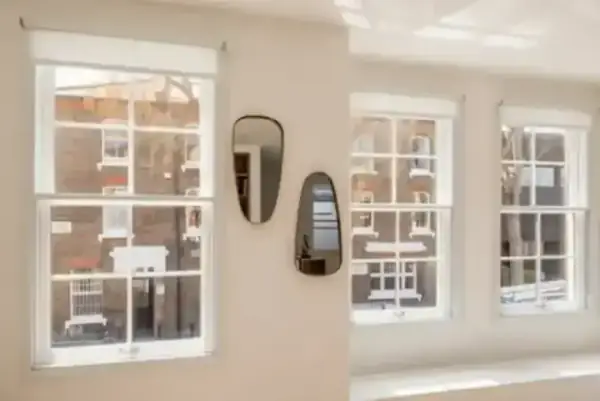
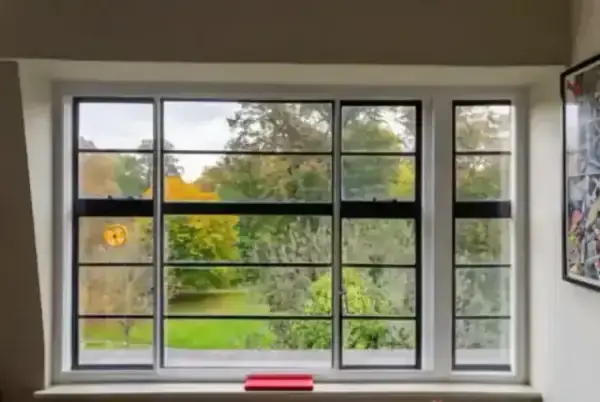
By opting for sash window secondary glazing, you’re keeping the "wavy" historic glass and the authentic joinery that gives your home its value. Our discreet frames are designed to align perfectly with your existing meeting rails and glazing bars, so once they’re in, you’ll barely notice they’re there.
The Verdict
If your original sash frames are completely rotten and falling apart, replacement might be your only choice. But if your frames are structurally sound and you’re simply tired of the cold and the noise, secondary glazing is the winner.
It’s faster (usually 1-2 days for a whole house), cheaper, and quieter. It respects the history of your home while giving you the modern comfort you deserve.
Ready to see the difference for yourself? We’ve helped hundreds of homeowners across London reclaim their peace and quiet. If you’re not sure which option is right for your specific windows, reach out for a quick chat or a survey. We’ll give you an honest assessment of what will work best for your property and your budget.
- * *
WhatsApp us