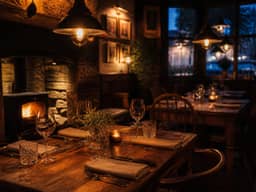
Living in a North London period property puts you at the heart of some of the capital's most characterful neighbourhoods. From the Georgian squares of Camden to the Victorian terraces of Islington, North London offers an incredible variety of heritage homes: each with their own unique charm and challenges.
Whether you've just bought your first period property or you're a seasoned owner looking to make improvements, this comprehensive guide covers everything you need to know about owning a heritage home north of the river.
Understanding North London's Period Property Landscape
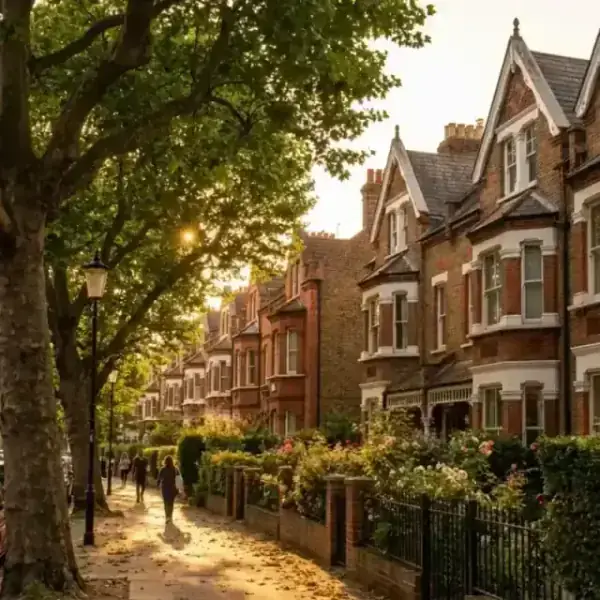
North London boasts one of the highest concentrations of period properties in the UK. The area's development boom during the Victorian and Edwardian eras left behind stunning terraced streets, elegant townhouses, and grand mansion flats that define the character of boroughs like Islington, Camden, Hackney, Haringey, and Barnet.
Period properties are generally defined as homes built before 1914, falling into three main categories:
- Georgian (1714-1830): Elegant townhouses with classical proportions
- Victorian (1837-1901): Ornate terraces with bay windows and decorative features
- Edwardian (1901-1910): Spacious family homes with improved layouts
Each era brought distinct architectural features that today's owners either cherish or struggle to maintain within modern living requirements.
Borough-by-Borough Guide to North London Period Properties
Islington: The Victorian Heartland
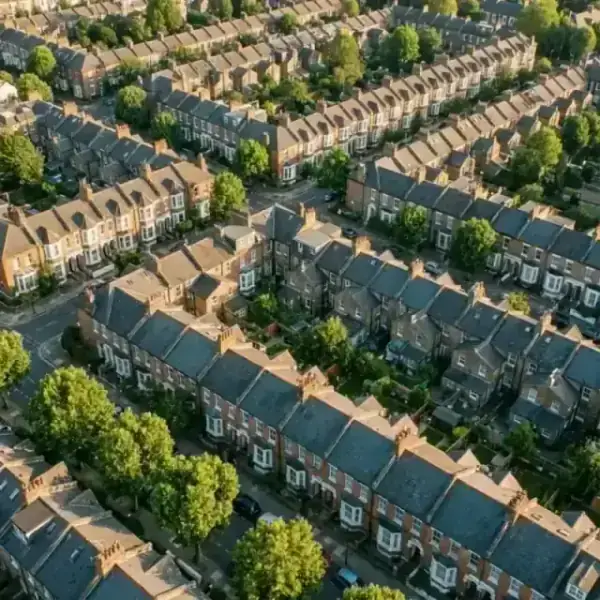
Islington contains some of London's finest examples of Victorian terraced housing, particularly around Angel and Highbury. The borough's planning department is particularly protective of original features, with most of the area covered by conservation designations.
Key Conservation Areas:
- Barnsbury Conservation Area
- Canonbury Conservation Area
- Duncan Terrace/Colebrooke Row Conservation Area
- Upper Street Conservation Area
The prevalence of Victorian terraced properties in Islington means sash windows are ubiquitous: creating both character and challenges for modern homeowners dealing with draughts and noise from the nearby Northern Line.
Planning Considerations:
- Article 4 Directions restrict permitted development rights across most conservation areas
- Original sash windows must generally be retained and restored rather than replaced
- Even internal alterations may require conservation area consent
Camden: Georgian Grandeur Meets Victorian Charm
Camden offers incredible diversity, from the Georgian squares around Bloomsbury to Victorian mansion flats in Kentish Town. The borough contains over 30 conservation areas, each with specific planning guidance.
Notable Areas:
- Fitzroy Square (Georgian elegance)
- Camden Square (Victorian grandeur)
- Primrose Hill (Mixed periods with village feel)
Camden's proximity to major transport hubs means noise pollution is a common concern, particularly for properties near Camden Town station or the busy A roads. Many homeowners find secondary glazing solutions essential for comfortable living.
Hackney: Victorian Innovation and Modern Living
Hackney has seen tremendous regeneration while maintaining its period property stock. Areas like Stoke Newington and London Fields showcase beautiful Victorian terraces, though many properties require significant energy efficiency improvements.
The borough is generally more permissive with sensitive modernisation, making it easier to improve energy efficiency in period properties while respecting heritage constraints.
Key Challenges:
- Many properties lack cavity wall insulation
- Single-glazed sash windows contribute to heat loss
- Proximity to Overground and train lines creates noise issues
Haringey: Edwardian Family Homes
Haringey contains extensive Edwardian housing stock, particularly around Crouch End and Muswell Hill. These properties typically offer more space than their Victorian predecessors but often require similar heritage-sensitive improvements.
Conservation Focus Areas:
- Highgate Conservation Area (shared with Camden)
- Crouch End Conservation Area
- Alexandra Palace & Park Conservation Area
Barnet: Suburban Period Charm
The southern parts of Barnet, including Finchley and Hampstead Garden Suburb, offer some of North London's most desirable period properties. Edwardian properties in Hampstead often feature larger rooms and gardens, though heritage restrictions still apply to external alterations.
Common Challenges for North London Period Property Owners
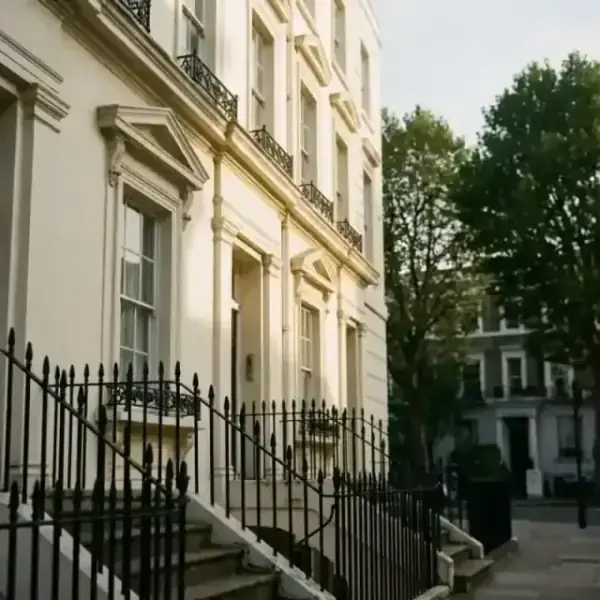
Transport Noise: The Price of Connectivity
North London's excellent transport links come with a downside: noise pollution. Properties near:
- Northern Line (particularly Angel to Camden stretch)
- Overground services through Hackney and Islington
- Major roads like the A1, A10, and North Circular
Many owners discover that original single-glazed sash windows provide minimal sound insulation. While replacement windows often aren't permitted in conservation areas, acoustic secondary glazing can reduce noise levels by up to 80% without altering the external appearance.
Energy Efficiency in Victorian and Edwardian Homes
Period properties are notoriously energy-inefficient:
- Solid walls (no cavity insulation)
- Single-glazed windows with poor thermal performance
- High ceilings that are beautiful but hard to heat
- Original timber windows with gaps and draughts
The challenge is improving thermal efficiency while maintaining heritage character. Many conservation areas prohibit external wall insulation, and replacing original windows is rarely permitted.
Heritage-Sensitive Solutions:
- Internal wall insulation (where space allows)
- Draught-proofing original sash windows
- Secondary glazing for thermal efficiency
- Sensitive roof insulation upgrades
Window Improvements: Balancing Heritage and Performance
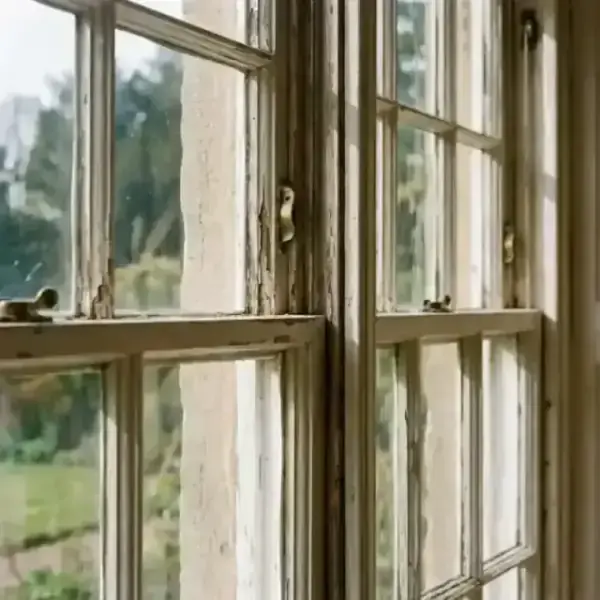
Original windows are often the focal point of heritage properties, but they're also the main source of heat loss and noise penetration. The challenge is maintaining their character while improving performance.
What You Generally Can't Do:
- Replace original windows with modern double glazing
- Alter window proportions or glazing patterns
- Add external shutters or blinds
- Install obvious security grilles
What You Often Can Do:
- Restore and draught-proof existing windows
- Install slim secondary glazing systems
- Add internal shutters (with permission)
- Upgrade window furniture and locks
Borough-Specific Planning Guidance
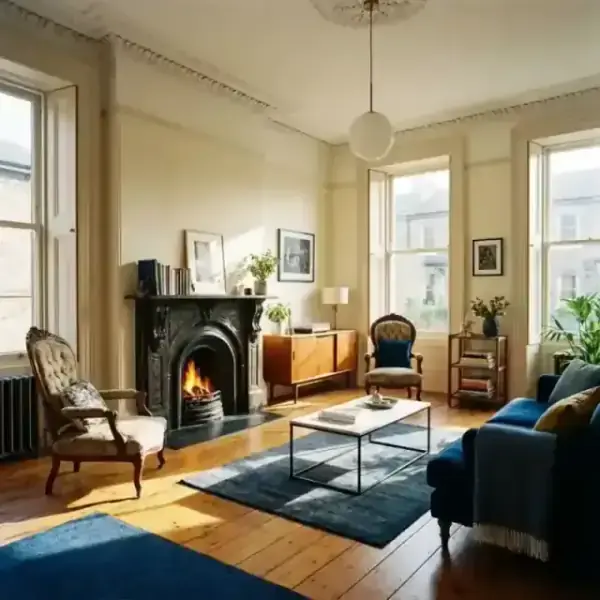
Understanding Conservation Area Controls
Each North London borough takes a slightly different approach to conservation area management:
Islington tends to be the most restrictive, with detailed guidance on acceptable materials and techniques. Even minor external changes often require formal consent.
Camden has comprehensive conservation area appraisals but tends to be pragmatic about internal alterations that don't affect external character.
Hackney has become more flexible in recent years, particularly around energy efficiency improvements, though external alterations still require careful consideration.
Haringey focuses heavily on maintaining streetscapes, particularly in areas like Crouch End where period character is essential to local identity.
Barnet (particularly around Hampstead Garden Suburb) has very specific design requirements but can be accommodating for well-designed improvements.
Article 4 Directions: What You Need to Know
Many North London conservation areas have Article 4 Directions that remove permitted development rights. This means work that would normally not require planning permission: like replacing windows or doors: needs formal consent.
Commonly Restricted Under Article 4:
- Window and door replacements
- Roof alterations (including solar panels)
- External wall cladding or rendering
- Front garden hard surfacing
- Satellite dishes and aerials
Listed Buildings: Additional Considerations
North London contains thousands of Grade II listed buildings, with occasional Grade II* and Grade I properties. Listed building consent is required for virtually any alteration, including:
- Internal layout changes
- Window repairs or replacements
- Installing modern heating or electrical systems
- Even relatively minor alterations
The key is working with conservation professionals who understand heritage property requirements and can guide you through the consent process.
Property Values and Improvements That Add Value
What Adds Value to North London Period Properties
High-Impact Improvements:
- Kitchen and bathroom upgrades (sensitively designed)
- Basement conversions (where structurally feasible)
- Loft conversions (following conservation guidelines)
- Garden landscaping and external improvements
- Energy efficiency upgrades that reduce running costs
Character-Preserving Enhancements:
- Restoring original features (fireplaces, cornicing, doors)
- Improving sash window performance while maintaining appearance
- Adding period-appropriate storage solutions
- Upgrading heating systems discretely
Improvements That Don't Add Value
Be wary of alterations that compromise period character:
- Removing original features
- Inappropriate modern additions
- Poor-quality replacement windows
- Unsympathetic extensions or conversions
The North London property market particularly values authenticity. Properties that maintain their period character while offering modern comfort command the highest prices.
Working with Local Conservation Officers
Each borough has conservation officers who can provide invaluable guidance:
Islington: Offers pre-application advice service (charges apply)
Camden: Provides detailed conservation area guidance online
Hackney: Has dedicated heritage advice team
Haringey: Offers conservation area character appraisals
Barnet: Provides specific guidance for Hampstead Garden Suburb
Building a positive relationship with your local conservation officer early in any project can save time and money later.
Practical Next Steps for North London Period Property Owners
Immediate Priorities
- Understand your property's heritage status: check if it's listed or in a conservation area
- Review any existing planning restrictions or Article 4 Directions
- Get a professional building survey focusing on period-specific issues
- Address urgent maintenance before considering improvements
Medium-Term Improvements
- Improve thermal efficiency through heritage-appropriate methods
- Address noise issues particularly if near transport links
- Upgrade utilities sensitively to avoid damaging historic fabric
- Consider professional window restoration for better performance
Long-Term Planning
- Develop a heritage management plan for ongoing maintenance
- Budget for specialist trades and materials
- Consider phased improvements to spread costs
- Build relationships with heritage-aware professionals
Making the Most of Your North London Period Property
Owning a period property in North London is both a privilege and a responsibility. These homes represent centuries of architectural heritage while serving as modern family homes. The key to successful ownership lies in understanding and respecting your property's heritage while making thoughtful improvements that enhance comfort and efficiency.
Whether you're dealing with draughty sash windows in Islington, planning an extension in Camden, or improving energy efficiency in Hackney, remember that patience and proper planning are essential. Working with heritage-conscious professionals who understand both the technical and regulatory challenges of period property ownership will ensure your home remains a joy to live in for generations to come.
The rewards of period property ownership in North London: the character, the location, the community, and the investment potential: make the extra effort worthwhile. With careful planning and appropriate improvements, your heritage home can offer the best of both worlds: historic charm with modern comfort.