
If you live in a period home in London, you know the routine. When November hits, you’re suddenly reaching for the heavy curtains and a second jumper because your beautiful sash windows are letting in a draft that feels like a gale. Then July rolls around, and those same rooms turn into greenhouses, trapping the heat until you’re forced to run a fan all night just to catch a wink of sleep.
It’s a classic London dilemma. You love the character of your original windows: the timber frames, the history, the way they define your home’s facade: but you’re tired of paying a fortune to heat the street outside. Many homeowners think their only choice is a total window replacement, which is often eye-wateringly expensive and, quite frankly, often blocked by conservation rules anyway.
That’s where secondary glazing comes in. It’s not just a "budget double glazing"; it’s a high-performance, discreet solution that fixes the comfort gaps in your home without touching your original windows. Here are five things you should know about how it transforms your living space all year round.
1. Say Goodbye to the "Single Glazing Shiver"
The most immediate benefit you’ll notice: usually within hours of installation: is the sudden disappearance of drafts. Traditional sash windows are notorious for small gaps between the moving parts. Even with the best maintenance, wood expands and contracts, leaving tiny channels for freezing air to whistle through.
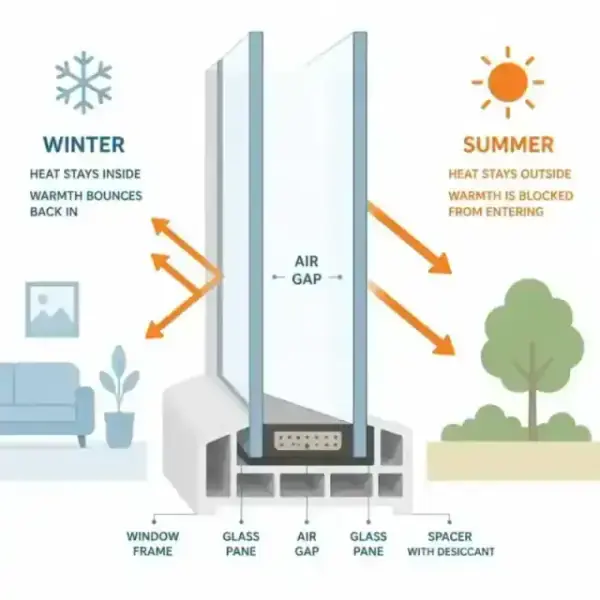
Secondary glazing involves fitting a slim, internal frame and a second pane of glass inside your existing window. This creates a "dead air" space. Think of it like putting a high-quality lid on a cup of tea; it stops the heat from escaping and the cold from getting in.
In technical terms, we talk about "U-values." A standard single-paned window usually has a U-value of about 5.8 (which is pretty poor at keeping heat in). By adding thermal secondary glazing, you can slash that number significantly. In plain English? You’re looking at a 60–65% improvement in thermal efficiency. That means your living room stays warm long after the radiator has clicked off.
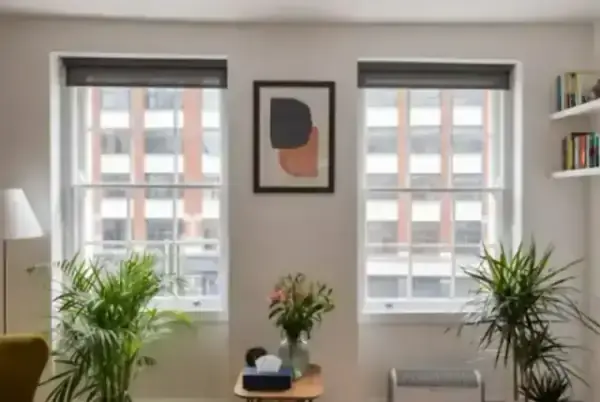
2. Keeping Your Cool When the City Heats Up
We often think of glazing as a winter tool, but it’s a secret weapon for London summers. When the sun beats down on your glass, it heats up the air inside your home through a process called solar gain.
Because secondary glazing creates an insulating barrier, it works in reverse during the warmer months. That extra pane of glass and the air gap act as a buffer, preventing the sun’s heat from transferring directly into your room. If you’ve ever sat in a south-facing bedroom during a heatwave, you know how miserable that "stuffy" feeling can be.
By stabilizing the temperature, you’re less likely to need noisy, energy-hungry air conditioning units or fans running 24/7. It’s about creating a temperate "microclimate" inside your home that doesn’t care what the weather is doing outside.
3. Watching Your Energy Bills Tumble
Let’s talk about the elephant in the room: energy costs. With heating prices being what they are, every watt of heat that escapes through a drafty window is literal money flying out of your pocket.\
According to the Centre for Sustainable Energy, roughly 10% of a typical home’s heat loss happens right through the windows. For older London properties with large, single-glazed sashes, that percentage is often much higher.
The beauty of secondary glazing is the cost-to-benefit ratio. It is typically 40% to 60% cheaper than replacing your entire window unit with modern double glazing. You get roughly the same thermal performance for a fraction of the price, and because you aren't paying for structural work or scaffolding to replace the original frames, your return on investment happens much faster through lower monthly bills.
Whether it's saving on gas in January or electricity for cooling in August, the savings are year-round.
4. Peace and Quiet in the "Big Smoke"
London is many things, but "quiet" isn't usually one of them. Whether it’s the low hum of traffic, the early morning sirens, or the neighbor who thinks 11 PM is a great time to mow the lawn, noise pollution is a major factor in our daily stress levels.
Secondary glazing is actually better at soundproofing than standard double glazing. This is because we can create a much wider air gap between the two panes: usually 100mm to 150mm: which is the "sweet spot" for breaking up sound waves.
When you choose acoustic sash windows using secondary glazing, you can achieve an 80% reduction in noise. That’s about 50–54 decibels of quiet. Imagine sitting in your home in Richmond or central London and barely hearing the traffic outside. It changes the way you live in your space; it becomes a true sanctuary.

5. Saving Your Sash (and Your Sanity)
If you live in a listed building or a conservation area, you probably already know that changing your windows is a bureaucratic nightmare. Even if you aren't in a restricted zone, many homeowners simply don't want to lose the aesthetic of their original windows.
Secondary glazing is the "invisible" upgrade. Because it’s fitted to the inside of the window reveal, the exterior appearance of your home remains exactly as it was. From the street, no one can even tell it’s there.
We offer a range of opening styles to match your existing windows perfectly. For example, vertically sliding secondary glazing aligns its rails with your original sash bars, so you can still open your windows for a breeze while keeping the look seamless. It’s a way to get 21st-century comfort without erasing 19th-century charm.
Making the Change
At the end of the day, your home should be the place where you feel most comfortable, regardless of the season. You shouldn't have to choose between a drafty, cold house and losing the period features that made you fall in love with your home in the first place.
Secondary glazing offers a middle ground that doesn't feel like a compromise. It’s faster to install (usually 1–2 days), creates less mess, and costs significantly less than a full replacement, all while making your home quieter, warmer, and cheaper to run.
If you’re curious about how this would look in your specific home, the best next step is a quick survey. We can look at your current windows, talk about which glass type fits your needs (thermal vs. acoustic), and give you a clear idea of the transformation you can expect. Your "year-round comfort" might be a lot closer: and a lot more affordable( than you think.