Owning a listed building is both a privilege and a responsibility. While these historic properties offer incredible character and heritage value, many owners feel paralyzed by uncertainty about what improvements they can actually make. The truth is, you have more flexibility than you might think: but understanding the rules is crucial.
Whether you've just bought a Georgian townhouse, inherited a Victorian cottage, or run a business from a listed commercial building, this guide will clarify exactly what you can and can't do to modernize your property while preserving its historic character.
Understanding Listing Grades: What They Actually Mean
Listed buildings in England are categorized into three grades, each with different levels of protection:
Grade I (2.5% of listings): Buildings of exceptional interest, often considered internationally important. Think Westminster Abbey or Hampton Court Palace. Any alterations require extraordinary justification.
Grade II (5.8% of listings):* Particularly important buildings of more than special interest. These include significant country houses, important civic buildings, and exceptional examples of particular architectural styles.
Grade II (91.7% of listings): Buildings of special interest that warrant preservation. This includes most historic houses, churches built before 1700, and buildings from 1700-1840 if they retain original features.
The higher the grade, the more restrictive the controls: but even Grade I buildings can be modernized sensitively. The key is understanding that listing protects the building's "special architectural or historic interest," not every single brick.
What You CAN Do Without Listed Building Consent
Contrary to popular belief, routine maintenance and many internal improvements don't require consent. Here's what you're generally allowed to do:
Routine Maintenance and Like-for-Like Repairs
- Cleaning and repointing stonework using traditional lime mortar
- Repairing timber frames with matching wood and traditional joinery techniques
- Replacing broken roof slates with salvaged or matching new materials
- Servicing and maintaining existing heating systems
- Repainting internal rooms in any color you choose
- Repairing sash windows using traditional methods and materials
- Cleaning gutters and maintaining drainage
The crucial principle is "like-for-like": you're maintaining the building's existing character, not changing it.
Internal Decorating and Modern Conveniences
Most internal decorative changes don't require consent:
- Rewiring and electrical upgrades (though you may need building regulations approval)
- Installing modern central heating if done sensitively without damaging historic fabric
- Updating plumbing within existing service runs
- Replacing carpets and modern floor coverings
- Installing modern appliances that don't require structural alterations
Garden and Curtilage Work
Listed building protection extends to the building itself and its immediate surroundings, but general garden maintenance is typically allowed:
- Routine hedge trimming and lawn care
- Planting new flowers and shrubs (unless the garden itself is listed)
- Maintaining existing paths and driveways
- Small garden sheds that don't affect the building's setting
What REQUIRES Listed Building Consent
Any work that affects the building's special character needs approval. This includes:
Structural Changes
- Removing or altering internal walls to create open-plan spaces
- Adding extensions or conservatories
- Converting lofts or basements if structural work is needed
- Installing new staircases or significantly altering existing ones
- Creating new doorways or windows
External Alterations
- Replacing windows or external doors with different materials or styles
- Changing roof materials from slate to tile, or adding roof lights
- Repointing with inappropriate mortar (cement instead of lime)
- External insulation that changes the building's appearance
- Satellite dishes or solar panels in prominent positions
Historic Features
- Removing or altering fireplaces, even if they're not in use
- Modifying original plaster moldings or decorative elements
- Removing original built-in furniture like fitted cupboards
- Altering historic floor surfaces like flagstones or original floorboards
Windows: The Most Common Renovation Challenge
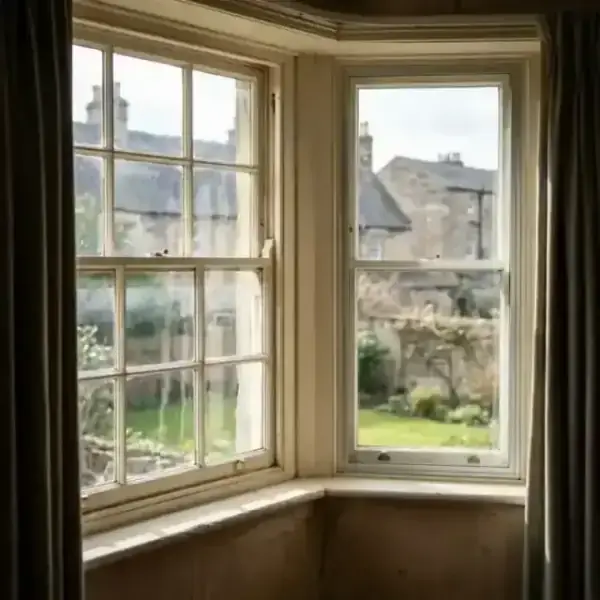
Windows are often the biggest frustration for listed building owners. They're usually the least energy-efficient element of an old building, yet replacing them with modern double glazing typically requires consent: and is often refused.
For many heritage properties, secondary glazing provides an ideal solution. This involves installing an additional internal window system that dramatically improves thermal and acoustic performance while preserving the original windows completely.
When Window Changes Need Consent
- Replacing timber sash windows with modern UPVC equivalents
- Installing double-glazed units in original wooden frames
- Adding trickle vents or other modern features to historic windows
- Changing window colors from traditional paintwork
Heritage-Friendly Window Solutions
For Victorian properties, Georgian homes, and Edwardian houses, secondary glazing often qualifies as permitted development since it doesn't alter the external appearance. This makes it particularly valuable for properties in conservation areas where planning restrictions are even stricter.
The key is finding solutions that address modern living requirements while respecting historic character. Understanding planning permission requirements for conservation areas can help you navigate these complex regulations.
Working with Conservation Officers
Your local authority's conservation officer is your best ally in planning appropriate improvements. They're not trying to prevent all modernization: their job is ensuring changes respect the building's heritage value.
Building a Positive Relationship
- Contact them early in your planning process
- Explain your practical needs honestly: they understand listed buildings must function as homes
- Propose solutions rather than just presenting problems
- Be open to alternative approaches that achieve your goals differently
What Conservation Officers Look For
- Minimal impact on historic fabric
- Reversible changes where possible
- Appropriate materials that match or complement the building's character
- Professional workmanship using traditional skills where needed
Most conservation officers prefer well-planned, sensitive improvements over neglect and decay. They often have excellent suggestions for achieving modern comfort standards within heritage constraints.
Commercial Listed Buildings: Special Considerations
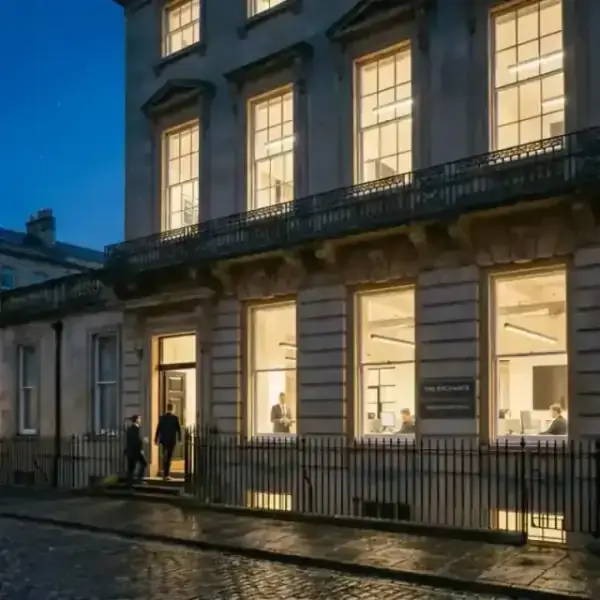
Listed buildings used for commercial purposes: schools, offices, hotels, restaurants: face additional challenges balancing heritage protection with modern operational requirements.
Educational Buildings
Many schools operate from listed buildings, particularly independent schools in historic properties. These face unique pressures for modern acoustic and thermal performance while maintaining their educational heritage. Improvements must consider both heritage value and contemporary teaching needs.
Office Buildings
Commercial office spaces in listed buildings often need modern environmental controls for staff comfort and equipment protection. Secondary glazing frequently provides an effective solution that satisfies both heritage and commercial requirements.
Hospitality Venues
Historic hotels and restaurants must balance character preservation with guest expectations for comfort and facilities. Sound insulation is often crucial for guest satisfaction while maintaining the building's historic ambiance.
Penalties for Unauthorized Work
The consequences of undertaking unauthorized work on a listed building can be severe and expensive:
Criminal Penalties
- Unlimited fines for damaging a listed building
- Prison sentences up to two years for serious offenses
- Criminal records that can affect professional licenses and employment
Civil Consequences
- Enforcement notices requiring restoration of unauthorized changes
- Listed building repair notices if the building is at risk
- Compensation payments for loss of heritage value
Financial Impact
- Restoration costs often exceed original improvement budgets significantly
- Professional fees for heritage specialists and legal representation
- Insurance implications if policies exclude unauthorized modifications
- Property value impact from unresolved enforcement action
How to Apply for Listed Building Consent
The application process needn't be daunting if approached systematically:
Pre-Application Consultation
- Informal discussions with conservation officers about your proposals
- Heritage statements explaining how changes respect the building's significance
- Alternative options if initial proposals face objections
Formal Applications
- Detailed drawings showing existing conditions and proposed changes
- Supporting statements justifying the need for alterations
- Specialist reports on structural, environmental, or heritage impacts
- Method statements explaining how work will be undertaken
Professional Support
Consider engaging:
- Conservation architects experienced with listed building projects
- Heritage consultants for complex applications
- Specialist contractors familiar with traditional building techniques
- Planning consultants for challenging cases
Making Modern Life Work in Historic Buildings
The secret to successful listed building ownership is finding creative solutions that respect heritage while meeting contemporary needs. Many modifications that seem impossible have heritage-friendly alternatives:
Energy Efficiency Solutions
- Internal insulation systems designed for historic buildings
- Improved heating controls and zoning for better efficiency
- Secondary glazing for thermal and acoustic improvements
- Draught-proofing using traditional materials and techniques
Modern Comfort Standards
- Discrete air conditioning systems with minimal visual impact
- Underfloor heating in suitable locations
- Modern bathrooms and kitchens designed to complement historic character
- Improved accessibility through sensitive adaptations
Technology Integration
- Concealed wiring for modern communication systems
- Security systems designed for historic properties
- Smart home technology integrated discretely
The key is working with professionals who understand both heritage constraints and modern solutions. Many seemingly restrictive regulations have creative workarounds that satisfy both conservation officers and homeowners' practical needs.
Living Positively with Heritage Protection
Owning a listed building isn't about being trapped in the past: it's about being a custodian of irreplaceable heritage while creating a comfortable modern home. The protection that initially seems restrictive often proves valuable, preventing inappropriate alterations by future owners and maintaining the character that attracted you to the property.
Understanding what you can and can't do empowers you to plan improvements confidently. Most listed building owners discover they can achieve their goals for comfort, efficiency, and modern living while preserving: and often enhancing: their property's historic character.
The key is approaching changes thoughtfully, seeking professional advice early, and viewing heritage constraints as creative challenges rather than insurmountable barriers. With proper planning and sensitivity, your listed building can provide exceptional modern living while preserving its irreplaceable historic character for future generations.
Remember: the goal isn't to prevent change but to ensure changes enhance rather than diminish what makes these buildings special. Most conservation professionals are eager to help you achieve this balance successfully.