
If you’re living in a listed building or a conservation area, you probably have a bit of a love-hate relationship with your windows. You love the way those original timber sashes look from the pavement, all that history and character, but you likely hate how they feel when a January gale is whistling through the gaps. Or how they seem to let every siren and midnight reveler from the London streets right into your bedroom.
The million-pound question we get asked every week is: "Can I actually do anything about these windows without getting into a legal battle with the council?"
The short answer is a resounding yes. Secondary glazing is essentially the "cheat code" for heritage properties. Because it’s an internal, reversible addition that doesn’t touch the original historic fabric, it usually sails through where double glazing gets stuck in red tape.
In this guide, I’m going to walk you through why secondary glazing for listed buildings is the preferred solution for architects and conservation officers alike, and how you can finally get a warm, quiet home without losing an ounce of period charm.
Why Your Sash Windows Are Making You Miserable (And Why You Can't Just Replace Them)
The classic sash window is a marvel of Georgian and Victorian engineering. Weights, pulleys, and slender timber frames, it’s a beautiful design that has lasted centuries. However, single-glazed glass is essentially a thermal sieve. It has a U-value (a measure of heat loss) of around 4.7. To put that in plain English: it’s barely better than having a hole in the wall.
You might be tempted to swap them for modern double glazing. But if you’re in a Grade II listed property, your local conservation officer will likely say "no" faster than you can open the sash. Why? Because modern double-glazed units are too thick. They require deeper timber sections that change the profile of the window, and they often use "spacer bars" that look totally wrong on a 19th-century facade.
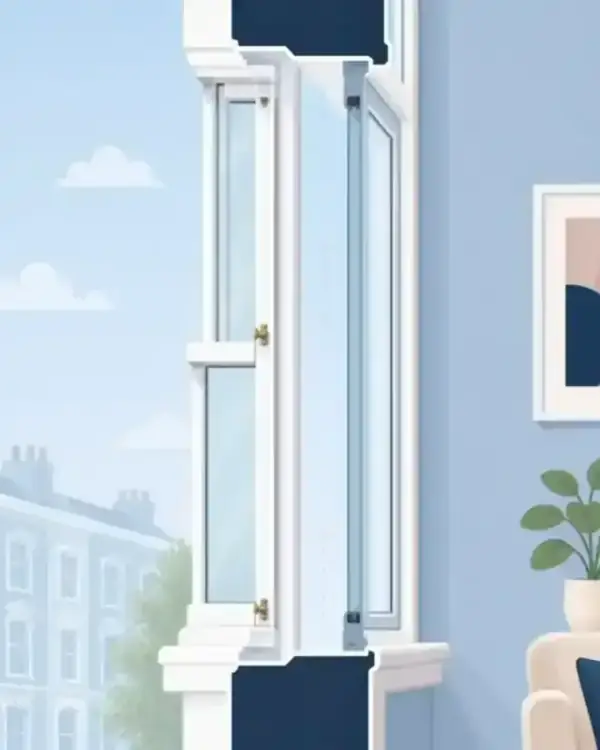
This is where secondary glazing for period homes comes in. It’s a slim, discrete second window installed on the inside of your existing one.
The Planning Myth: Do You Need Permission?
One of the biggest hurdles for homeowners is the fear of "Listed Building Consent" (LBC). It sounds like a lot of paperwork, doesn’t it?
Actually, Historic England: the people who set the rules: are big fans of secondary glazing. Their official guidance states that because it’s a reversible measure that doesn't damage the historic window, it generally does not require listed building consent.
Think of it like putting up a picture frame or a set of heavy curtains. Since we fix the secondary frames into the "reveal" (the plaster or wood lining surrounding the window) rather than the original sashes themselves, the building’s heritage remains untouched.
Of course, we always recommend a quick chat with your local planning officer just to be safe, but in 99% of cases, secondary glazing is the path of least resistance. It's much simpler than trying to navigate the common mistakes people make with sash window insulation.
Turning Down the Volume: The 80% Noise Reduction Rule
If you live near a Red Route or a busy London high street, thermal comfort might actually be secondary to your sanity.
Here is a technical secret: secondary glazing is actually better at soundproofing than standard double glazing.
Standard double glazing has two panes of glass very close together (usually about 16-20mm apart). This is great for heat, but for sound, the panes can actually vibrate in sympathy with each other.
With sash window secondary glazing, we typically leave an air gap of 100mm to 150mm between the original window and the new pane. This large cavity acts as a "buffer zone" that traps sound waves before they can reach your ears. Pair this with acoustic laminate glass, and you can achieve a noise reduction of 70-80%. That’s the difference between hearing a bus engine vibrating your floorboards and barely noticing it pass by.
Mastering the Aesthetics: Vertical Sliders
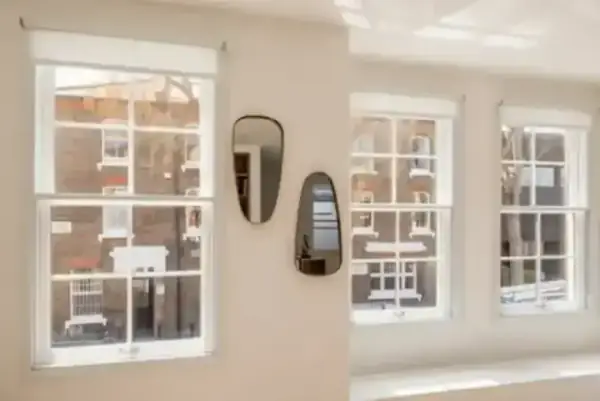
The biggest worry for most people is that secondary glazing will look like a "clunky" addition. Nobody wants a beautiful Georgian window covered by a cheap-looking aluminum frame.
This is where "Vertical Sliders" come into play. We design these units to align perfectly with your existing horizontal "meeting rails" (the bit where the two sashes meet in the middle).
- Invisible from the outside: Because the secondary unit is tucked behind the original window, passers-by won't even know it’s there.
- Minimalist inside: We use slim-line profiles that can be colour-matched to your existing woodwork. If your windows are painted in Farrow & Ball ‘Old White’, we can match the frames so they disappear into the room’s design.
- Fully Functional: You can still open your windows for ventilation. The secondary panes slide up and down just like your original sashes, often using spring balances to make them feel weightless.
A Quick Story: The "Draughty" Kensington Study
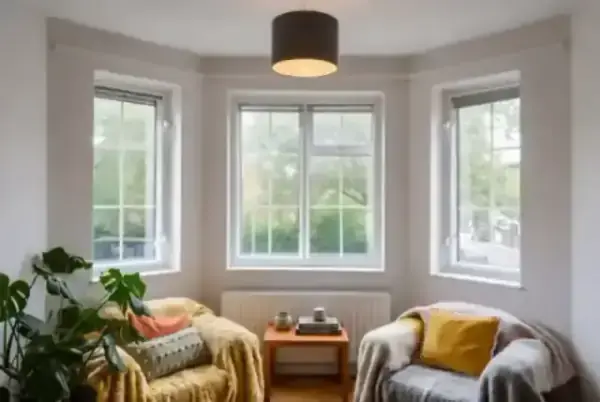
I remember a client in Kensington who had a beautiful home but couldn't use his study for four months of the year. He had three massive, floor-to-ceiling sash windows. Even with the heating cranked up, the "cold radiation" coming off the glass made sitting at his desk unbearable.
He was convinced he needed to replace the windows, but the council wouldn't budge. We installed secondary units with Low-E (low-emissivity) glass. This special coating reflects heat back into the room rather than letting it escape.
A week later, he called us to say he’d turned his thermostat down by 3 degrees. His U-value had dropped from 4.7 to around 1.8: effectively giving him the thermal performance of a modern new-build without changing a single thing about the house's historic appearance. You can read more about how secondary glazing cuts street noise and boosts warmth in our detailed performance guide.
The Financial Reality
Let's talk money, because it's usually the deciding factor. Full replacement of high-quality timber sash windows in a London heritage property can easily cost £3,000 to £5,000 per window when you factor in the bespoke joinery and the planning fees.
Secondary glazing is typically 40% to 60% cheaper than a full replacement. Plus, because the installation is non-intrusive (no scaffolding, no ripping out old frames, no re-plastering), you save a fortune on the "hidden" costs of renovation. It’s an investment that pays for itself in energy savings within a few years, rather than decades.
How to Get Started Without the Stress
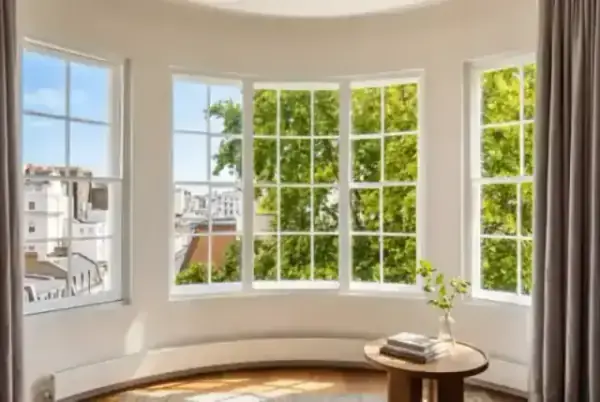
If you’re feeling overwhelmed by the technicalities, here is my "Beginner’s Cheat Sheet" for mastering your upgrade:
- Check your sashes: Are they rattling? If so, they need a bit of basic maintenance (new cords or beads) before the secondary glazing goes on.
- Focus on the cavity: If noise is your main enemy, ask for a 100mm+ gap. If it's just the cold, a smaller gap with Low-E glass is fine.
- Think about access: Do you need to clean the original windows? Ask for "hinged" or "lift-out" secondary units if the sashes don't slide easily.
- The "Visual Test": Always ask to see a sample of the slim-line frame. You’ll be surprised at how unobtrusive they are compared to the bulky DIY kits you see online.
Upgrading a listed building doesn't have to be a battle with the authorities. It’s about finding the right balance between 21st-century comfort and 19th-century style. When done correctly, sash window secondary glazing is the bridge that gets you there.
If you’re ready to stop wearing three jumpers indoors and finally get a good night's sleep, the first step is usually just a quick survey to see what's possible. Your home was built to last: there's no reason it shouldn't be comfortable, too.