
Living in London means accepting a certain level of urban noise as part of daily life. From the rumble of the Central Line beneath your feet to the constant hum of traffic on the A4, from Heathrow flight paths overhead to the weekend revellers spilling out of nearby pubs, London homes face a unique challenge when it comes to achieving peace and quiet.
Whether you're working from home and struggling to concentrate during video calls, trying to get your baby to sleep through sirens racing down the high street, or simply wanting to enjoy a quiet evening without the neighbours' music bleeding through the walls, noise pollution can seriously impact your quality of life.
The good news? You don't have to accept constant noise as an inevitable part of London living. There are practical, proven methods to significantly reduce unwanted sound in your home, ranging from quick DIY fixes you can implement this weekend to more comprehensive solutions that can transform your living space into a peaceful sanctuary.
In this guide, we'll explore 10 effective strategies to reduce noise in your London home, covering solutions for every budget and living situation: including options that work for period properties and conservation areas where planning restrictions might limit your choices.
1. Install Heavy Curtains and Drapes
One of the quickest and most affordable ways to reduce noise is upgrading your window treatments. Standard lightweight curtains do little to block sound, but heavy, thick curtains can make a noticeable difference, particularly for high-frequency noise like traffic and conversation.
Look for curtains made from dense materials like velvet, wool, or specially designed acoustic fabrics. The key is mass: the heavier the fabric, the more sound it will absorb and block. Thermal curtains designed for energy efficiency often work well for noise reduction too, offering the double benefit of lower heating bills alongside a quieter home.
For maximum effectiveness, hang your curtains from ceiling to floor and ensure they extend beyond the window frame on both sides. This creates a sound barrier that covers not just the glass but the wall area around the window where sound can leak through.
Consider layering your approach by combining heavy curtains with blinds or shutters. Plantation shutters, in particular, can be excellent for period properties where they complement the architectural style while providing solid noise reduction.

2. Add Rugs, Carpets, and Soft Furnishings
Hard surfaces reflect sound waves, amplifying noise and creating echo effects that make your home feel louder. This is particularly problematic in Victorian and Georgian properties with their characteristic high ceilings and original wooden floors.
Carpets and rugs absorb sound waves, reducing both noise from neighbouring flats and the sound of footsteps within your own home. If you have original wooden floors that you want to preserve, large area rugs can provide substantial noise reduction without hiding beautiful period features.
Don't stop at floor coverings: upholstered furniture, throw pillows, and even bookshelves filled with books all help absorb sound and reduce reverberation. The more soft, textured surfaces you have in a room, the quieter it will feel.
For ground floor flats or homes with neighbours below, consider adding carpet padding or acoustic underlay beneath your rugs. This extra layer can significantly reduce impact noise: the sound of footsteps, dropped items, or furniture being moved.
3. Seal Gaps and Add Weatherstripping
You might be surprised how much noise enters your home through small gaps and cracks. Sound waves are remarkably good at finding their way through the tiniest openings around windows, doors, and even electrical outlets.
Start by inspecting your windows and doors for gaps where sound could be sneaking in. Common problem areas include:
- Gaps between window sashes and frames
- Space under doors
- Cracks around door and window frames
- Gaps around pipes and cables entering your home
- Poorly sealed electrical sockets on external walls
Weatherstripping is an inexpensive solution that can make a significant difference. Apply foam or rubber weatherstripping around door and window frames, and install door sweeps to seal the gap at the bottom of doors.
For larger gaps, use acoustic caulk or sealant specifically designed for sound reduction. Unlike regular caulk, acoustic sealants remain flexible and won't crack over time, maintaining their sound-blocking properties.
Pay particular attention to older properties where settling and age may have created gaps that weren't there originally. A few hours spent sealing these openings can dramatically reduce noise infiltration.
4. Consider Secondary Glazing for Period Properties
If you live in a listed building or conservation area where replacing original windows isn't permitted, secondary glazing offers an excellent solution for noise reduction while preserving your property's historic character.
Secondary glazing involves installing a second window on the inside of your existing window, creating an air gap that significantly reduces sound transmission. This approach can reduce noise by up to 80% while leaving your original windows completely unchanged: crucial for properties where planning restrictions apply.
For Victorian properties with single-glazed sash windows, secondary glazing specifically designed for period homes can be transformative. The system works particularly well because Victorian and Georgian windows often have deep reveals that can accommodate the secondary glazing without affecting the room's appearance.
Many London boroughs, including areas like Kensington and Chelsea, have strict conservation area rules that make secondary glazing the only viable option for improving acoustic performance. The good news is that secondary glazing in conservation areas typically qualifies as permitted development, meaning you won't need planning permission.

The acoustic benefits are particularly noticeable for properties near busy roads, under flight paths, or close to railway lines. Unlike other noise reduction methods that might reduce sound by 10-20%, properly installed secondary glazing can make the difference between hearing every passing bus and enjoying peaceful quiet.
For listed buildings, secondary glazing preserves the historical integrity while solving modern noise problems: a perfect compromise between heritage preservation and livability.
5. Install Acoustic Panels and Wall Treatments
For rooms where noise seems to bounce around and amplify: common in properties with high ceilings and hard surfaces: acoustic panels can provide targeted sound absorption.
Modern acoustic panels don't have to look industrial or ugly. Many options are designed to blend seamlessly with home décor, including fabric-wrapped panels that can be customized to match your colour scheme, and even panels designed to look like artwork.
Focus on the wall that faces your main noise source. If you're dealing with traffic noise from the street, treating the wall facing the road will have the most impact. For noise from neighbouring properties, treat shared walls.
You can create DIY acoustic panels using dense materials like mineral wool or acoustic foam covered with attractive fabric. For a more polished look, consider professional acoustic panels that can be mounted like picture frames.
Don't overlook the impact of wall-mounted bookshelves. Books are excellent sound absorbers, and a wall-to-wall bookshelf can provide significant noise reduction while adding character to your room.
6. Upgrade to Solid Doors
Internal doors in many London properties, particularly Victorian conversions and modern builds, are often hollow-core doors that do little to block sound between rooms. Upgrading to solid-core doors can make a substantial difference, particularly important if you're working from home and need to block household noise during video calls.
Solid wood doors or doors with a solid core provide much better sound insulation than hollow doors. When installing new doors, pay attention to the fit: gaps around the door frame can significantly reduce the effectiveness of even the best door.
For maximum noise reduction, consider doors specifically designed for acoustic performance. These often feature seals around the edges and sometimes include a drop-down seal that automatically closes the gap at the bottom when the door is shut.
Don't forget about the door to your main living area or bedroom. If you live in a flat conversion where your front door opens directly onto a communal hallway, upgrading to a solid door with proper seals can dramatically reduce noise from neighbours and communal areas.
7. Double or Triple Glazing (Where Permitted)
For properties where you're free to replace windows: typically modern homes and some period properties outside conservation areas: upgrading to high-quality double or triple glazing offers the most significant noise reduction possible.
Modern acoustic double glazing can reduce external noise by 50-70%, transforming even the busiest London street into a peaceful backdrop. The key is choosing glazing specifically designed for acoustic performance, not just thermal efficiency.
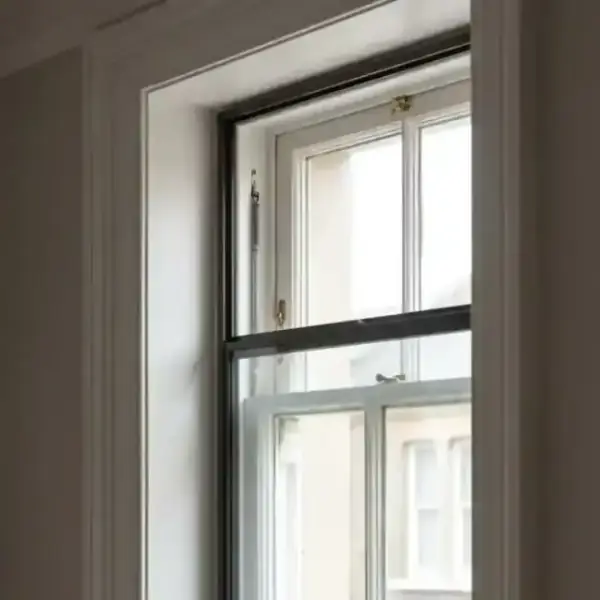
Acoustic glazing typically features different thicknesses of glass in the two panes and sometimes uses laminated glass with a sound-dampening interlayer. The air gap between the panes is often filled with argon gas, which is denser than air and provides better sound insulation.
However, before considering window replacement, check your property's status. Many London properties fall under conservation area restrictions or are listed buildings where window replacement requires special permission or isn't allowed at all. If you're unsure, check with your local council's planning department.
For properties where window replacement isn't an option, remember that secondary glazing can achieve similar acoustic benefits without changing your original windows.
8. Soundproof Walls and Ceilings
For serious noise issues: perhaps you live next to a pub or under a flight path: wall and ceiling soundproofing might be necessary. This is a more significant undertaking but can be incredibly effective for severe noise problems.
Wall soundproofing typically involves adding mass and creating isolation. Methods include:
- Installing acoustic plasterboard with sound-dampening properties
- Adding resilient bars that decouple new drywall from existing walls
- Using acoustic insulation between wall studs
- Installing independent stud walls that don't touch the original wall
For ceiling noise (particularly common in flat conversions), similar principles apply. Resilient ceiling systems can dramatically reduce both airborne and impact noise from upstairs neighbours.
Keep in mind that effective soundproofing usually reduces room size slightly: typically by 2-6 inches depending on the system used. Plan accordingly, particularly in smaller London properties where space is at a premium.
9. Address Structural Sound Transmission
Sometimes noise travels through your home's structure rather than through the air. This is common with impact noise like footsteps, slamming doors, or plumbing noise.
Structural noise requires different solutions:
- For footstep noise from above, carpet with quality underlay or acoustic floor treatments are most effective
- For plumbing noise, pipes may need insulation or anti-vibration mounts
- For noise through party walls, isolation solutions that prevent vibration transfer work best
In period properties, structural noise can travel in unexpected ways. Sound might enter through one wall and travel through ceiling joists or floor beams before emerging elsewhere in your home. Professional acoustic assessment can help identify these transmission paths.

10. Strategic Room Layout and Lifestyle Changes
Finally, consider how you arrange and use your space to minimize noise impact. Sometimes the most effective solutions don't involve construction or expense: just thoughtful planning.
Position quiet activities away from noise sources. If your bedroom faces a busy road, consider whether you could swap it with a back-facing room. Use noisier rooms like kitchens and bathrooms as buffers between bedrooms and external noise sources.
Heavy furniture against shared walls can provide some sound insulation. Bookshelves, wardrobes, and upholstered furniture all help absorb and block sound transmission.
Consider noise-generating activities too. If you practice piano or have teenagers with loud music, position these activities in rooms that won't disturb neighbours or family members trying to sleep.
For gardens and outdoor spaces, strategic planting can help reduce traffic noise. Dense hedging, particularly evergreen varieties, provides year-round sound absorption.
Creating Your Noise Reduction Action Plan
Reducing noise in your London home doesn't require implementing every solution at once. Start with the quickest, most affordable options and build from there based on your specific noise challenges and budget.
For most London homes, a combination approach works best: heavy curtains and weatherstripping for immediate improvement, followed by more comprehensive solutions like secondary glazing or acoustic panels where needed.
Remember that if you live in a conservation area or listed building, your options may be limited, but effective solutions like secondary glazing are specifically designed to work within these constraints while delivering significant noise reduction.
The key is identifying your main noise sources and targeting your efforts accordingly. With the right combination of solutions, even the busiest London location can become a peaceful retreat where you can truly relax and enjoy your home.