If you live in one of London’s beautiful Grade II listed buildings, you know the feeling: you’re essentially the guardian of a piece of history. But let’s be honest: history can be incredibly drafty. Those original single-glazed sash windows were cutting-edge in the 1800s, but today? They often leave you shivering in the winter and reaching for the noise-cancelling headphones when the morning traffic starts.
The challenge is modernizing a home that is legally protected. You want the warmth and the quiet, but you can’t exactly pop down to the local hardware store, buy some uPVC double glazing, and call it a day. That’s where secondary glazing for listed buildings steps in. It’s the "secret weapon" for heritage homeowners, offering a way to hit 21st-century comfort levels without changing a single thing about your building's external appearance.
The Reversibility Rule: Why Historic England Likes Us
The biggest hurdle for any listed building project is the "special architectural or historic interest." If you try to replace your original windows, you’re almost certainly going to run into a wall of red tape. Historic England is: rightly: protective of original timber and glass.
However, they actually have a soft spot for secondary glazing. Why? Because it is reversible.
When we install a secondary unit, we aren't ripping anything out. We are adding a slim, discreet frame to the internal side of your window. If someone 50 years from now decided they wanted to remove it, they could do so without having damaged the original fabric of the building. This "non-destructive" approach is exactly what conservation officers look for. In fact, in their own technical guidance, Historic England notes that reversible secondary glazing is often the best way to balance energy efficiency with heritage preservation.
Avoiding the "Planning Permission Trap"
One of the most common questions we get is: "Do I need planning permission for this?"
In most cases, the answer is a refreshing no. Because secondary glazing is an internal addition and doesn't change the external look of your home, it usually falls outside the requirement for standard planning permission.
However: and this is a big "however": you still need to consider Listed Building Consent (LBC). While Historic England’s national guidelines are very supportive, the final word always lies with your local council's conservation officer. Some London boroughs are more relaxed than others. The "trap" homeowners fall into is assuming that because it’s internal, they don't need to mention it.
We always recommend a quick, friendly chat with your local planning department or checking our ultimate guide to secondary glazing for listed buildings for more on the specifics. Usually, if the frames are slim and the sightlines match your original windows, it’s a smooth process.
Performance: From "Drafty" to "Double Glazing Standards"
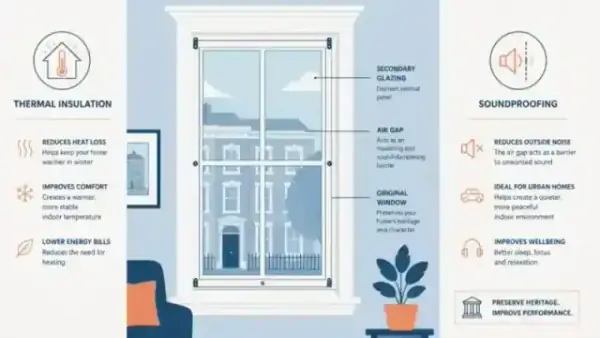
Let’s talk numbers for a second, but I promise to keep it grounded. In the world of insulation, we talk about U-values. A standard single-glazed sash window has a U-value of about 5.8 (which, in simple terms, means it’s about as effective as a screen door at keeping heat in).
When you add a high-quality secondary glazing unit with Low-E glass, that number can drop to around 1.8 or 2.0.
To put that in perspective: that’s a performance level comparable to modern double glazing. You aren't just making a "minor improvement"; you are effectively cutting your heat loss by 60-70%. You’ll feel it the moment the installation is finished: the "cold spot" next to the window simply disappears.
Silencing the London Hum
If you’re living in a period flat in Kensington or a Victorian terrace in Islington, heat loss isn't your only enemy. It's the sirens, the buses, and the late-night revelers.
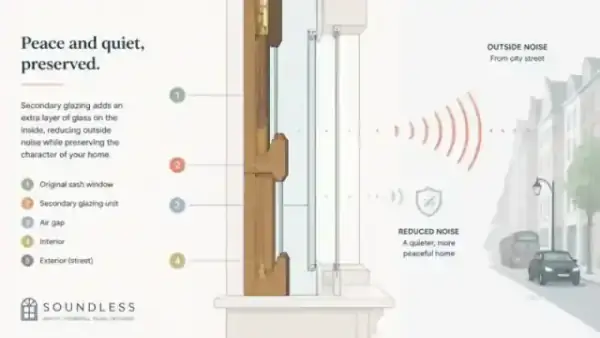
The beauty of secondary glazing for heritage windows is that it actually outperforms standard double glazing when it comes to noise. Because we create a significant air gap (usually 100mm to 150mm) between the original window and the new secondary layer, we create a "buffer zone" that traps sound.
Using acoustic glass for peace and quiet can result in a noise reduction of up to 80%. It’s the difference between hearing the exact conversation of the people at the bus stop and having a home that feels like a sanctuary.
Matching the Character (The "Invisible" Install)
The fear many homeowners have is that secondary glazing will look like a bulky "add-on." We’ve all seen bad examples from the 70s: chunky silver frames that block the view and ruin the aesthetic.
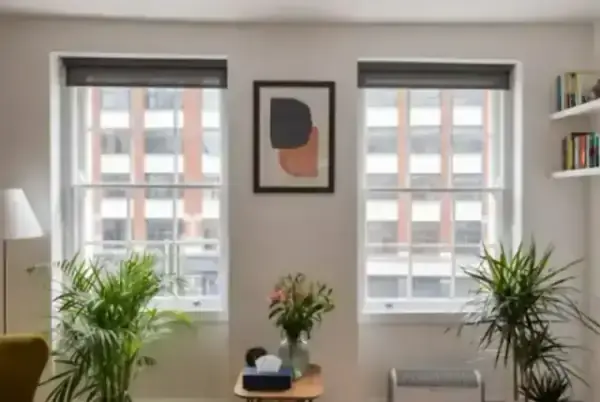
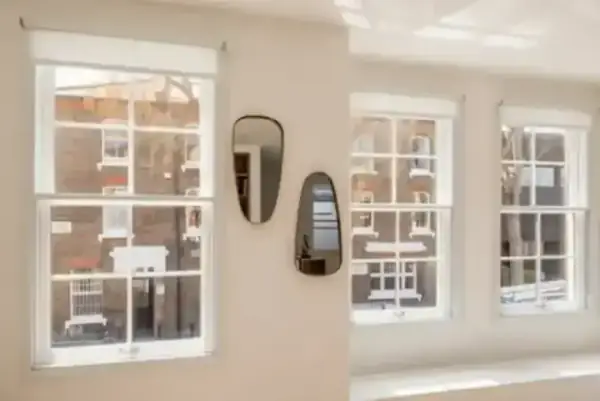
Modern systems are a completely different beast. Whether you have sash windows or casements, we design the secondary frames to mimic your original sightlines exactly.
- Vertical Sliders: The meeting rails of the secondary unit sit directly behind the meeting rails of your sash window.
- Hinged Units: These can swing open for easy cleaning of the original glass.
- Color Matching: We can powder-coat frames to match your existing paintwork (usually a classic White or Heritage Cream), making the unit virtually invisible from both inside and out.
A Practical Example: The London Townhouse
Think of a typical Grade II listed townhouse near a busy road. The owner can't change the windows because they are original 19th-century timber. The rooms are grand but cold.
By installing bespoke Grade II listed building secondary glazing, they achieve three things in one weekend:
- Thermal comfort: The heating doesn't have to run at full blast 24/7.
- Acoustic peace: The city noise is relegated to a dull whisper.
- Preservation: The original hand-blown glass and historic timber frames remain untouched and protected from internal condensation.
It's about making your home livable for the next hundred years without erasing the last hundred.
Ready to Modernize Your Heritage Home?
Living in a listed building shouldn't mean living in discomfort. Secondary glazing is the most cost-effective, least intrusive, and most "conservation-friendly" way to upgrade your home. It’s usually about 40-60% cheaper than trying to fight for full window replacement, and the results are often better.
If you’re unsure whether your specific property is a candidate or you're worried about conservation area windows and your rights, we’re here to help. Our team spends every day in London’s heritage properties, navigating the same challenges you’re facing.
The first step is a simple survey. We can show you exactly how the frames will look against your original windows and give you a clear idea of the thermal and acoustic gains you can expect. Let’s make your historic home as comfortable as a modern one.