
If you have ever lived in the heart of Westminster, you know the sound of the city isn't a gentle hum; it’s a symphony of hydraulic bus brakes, sirens, and the low-frequency rumble of a 24-hour transport network. For many residents living near busy junctions like Victoria or Marylebone, this isn't just "city charm": it’s a genuine barrier to a good night’s sleep.
Take the case of a recent client of ours, Sarah. She lives in a beautiful Grade II listed apartment overlooking a major junction where several bus routes converge. The architecture is stunning: high ceilings, original cornices, and those classic timber sash windows that define the London aesthetic. But by 11:00 PM, the charm had worn off. The single-pane glass, while historic, was effectively doing nothing to stop the 75-decibel roar of the street from entering her bedroom.
Sarah came to us with a familiar dilemma: she needed silence, but she couldn't touch her windows. In a borough as strictly regulated as Westminster, replacing original sashes with modern double glazing is often a flat "no" from planning officers. This is where secondary glazing London specialists like us step in to bridge the gap between heritage preservation and modern comfort.
The Problem: When 79 Bus Routes Meet Single-Pane Glass
Westminster is unique. With nearly 80 bus routes crisscrossing the borough and average ambient noise levels frequently exceeding WHO guidelines, the pressure on residential interiors is immense. For Sarah, the "red route" outside her window meant a constant stream of acceleration and braking.
The primary issue with single-glazed windows in period homes isn't just the thickness of the glass; it’s the gaps. Timber sashes are designed to move, which means they naturally have small gaps where air: and therefore sound: can leak through. Even if you seal those gaps with draught-proofing, the thin 3mm or 4mm glass itself vibrates like a drum skin when a bus rumbles past.
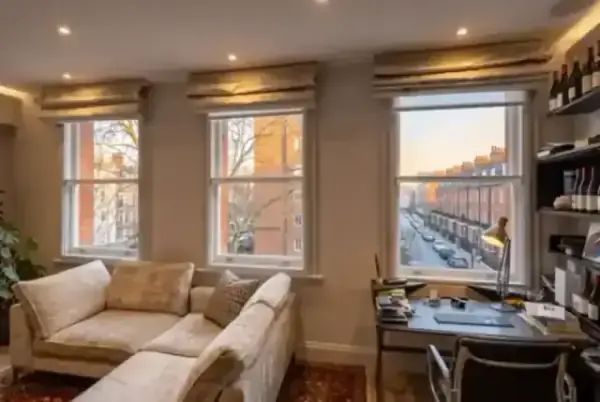
When we first visited Sarah’s flat for a survey, the noise was palpable. Using a decibel meter, we recorded peaks of 78dB during bus arrivals. To put that in context, a quiet bedroom should ideally sit around 30-35dB. Sarah was effectively trying to sleep in the middle of a busy office. She had explored options for soundproofing flats Kensington and Westminster, but found that most solutions either didn't work for listed buildings or were prohibitively expensive.
The Science of the "Silent Gap"
To solve a noise problem this intense, you have to understand how sound travels. High-pitched sounds (like a siren) are relatively easy to block. The real challenge is the low-frequency "thrum" of a diesel engine. This is where standard double glazing often fails, as the two panes are too close together to decouple the vibration.
Our solution for Sarah centered on a specific technical configuration: secondary glazing for period homes London requires a significant air gap. By installing a second, independent pane of glass on the interior side of the existing window, we create a "buffer zone."
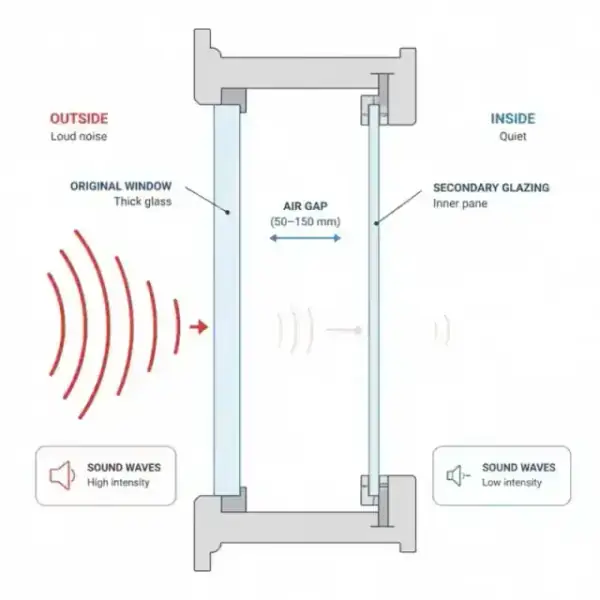
For Sarah's junction-facing bedroom, we recommended:
- A 150mm Air Gap: This distance is the "sweet spot" for acoustic insulation. It allows the air between the two windows to act as a shock absorber, significantly dampening low-frequency vibrations.
- 6.4mm Acoustic Laminated Glass: Unlike standard glass, laminated glass has a clear PVB (polyvinyl butyral) interlayer. This layer stays flexible, absorbing sound energy rather than passing it through.
- Bespoke Vertical Sliders: Because Sarah had traditional sash windows, we used our secondary glazing windows designed to match her existing sightlines perfectly. When the secondary units are closed, they disappear behind the original timber frames.
The Transformation: From 78dB to a Whisper
The installation took just one day. Because secondary glazing for listed buildings is a non-destructive process, there was no need for scaffolding, no dust from ripping out frames, and no change to the external look of the building that would upset the Westminster planning office.
We fitted the new units into the window "reveal," ensuring a high-performance compression seal. This is the part many DIY or low-quality installations miss. If the secondary frame isn't airtight, sound will find its way in. Our frames use specialized acoustic seals that compress when closed, creating a vault-like environment.
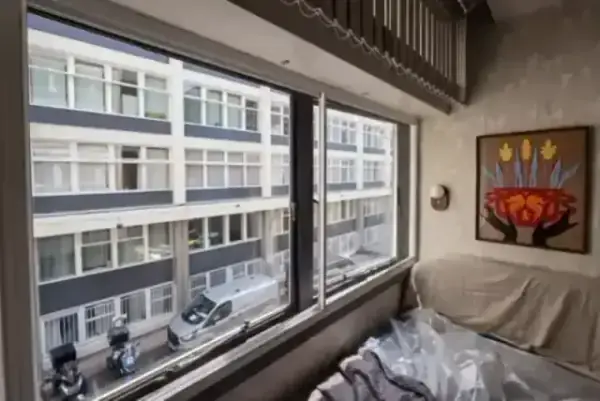
The results were immediate. With the units closed, the 78dB roar of the junction dropped to a steady 32dB. In acoustic terms, a 10dB drop is perceived by the human ear as a halving of noise. We achieved a reduction of over 40dB. Sarah described it as "pressing the mute button on London."
Beyond the silence, there was a secondary benefit she hadn't fully anticipated: warmth. Those drafty original sashes were no longer letting heat escape. By creating that sealed air gap, we effectively turned her single-glazed windows into a high-performance thermal barrier. You can read more about how this works in our guide on noise reduction for urban period homes.
Why This Matters for Your London Home
Whether you are looking for soundproofing flats Kensington, Chelsea, or Westminster, the challenges remain the same. Our city is getting noisier, and our historic housing stock wasn't designed for 12-ton buses passing every three minutes.
Many homeowners feel trapped between the noise they hate and the heritage restrictions they must respect. The reality is that you don't have to choose. A bespoke secondary glazing system allows you to keep the windows you love while enjoying the quiet you deserve.
If you are currently sleeping with earplugs or find yourself turning up the TV every time a bus goes by, it’s worth considering the "silent gap." It’s often 40-60% cheaper than full window replacement (which likely wouldn't be allowed anyway) and the disruption to your home life is minimal.

Sarah’s flat is now a sanctuary. The junction is still there, the 79 bus routes are still running, and the Westminster bustle continues just a few feet from her bed. But inside, it’s finally, beautifully quiet.
If your home feels like it's on the frontline of London's noise pollution, let’s talk. We can't move the bus stop, but we can certainly make sure you don't have to hear it.
WhatsApp us