
Living in a period London flat is a bit of a double-edged sword, isn't it? On one hand, you’ve got the soaring ceilings, the original cornicing, and that unmistakable "London character" that modern builds just can’t replicate. On the other hand, you’re often stuck with windows that rattle when a bus goes by and let in a draught so cold you might as well be sitting on the pavement.
If you’re in a listed building or a conservation area in Westminster, Belgravia, or Kensington, you’ve probably already been told that replacing those original sash windows is a non-starter. But that doesn’t mean you have to live in a "glorified fridge" or wear noise-cancelling headphones in your own living room.
Secondary glazing is the "secret weapon" for London homeowners. It involves adding a slim, high-performance second window inside your existing one. It’s discreet, reversible, and: as these three real-world transformations show: it’s a total game-changer for comfort and quiet.
1. The Heritage Masterclass: Connaught Place, Westminster
Overlooking the lush greenery of Hyde Park, the Grade II listed townhouses at Connaught Place are the epitome of London luxury. However, when these historic buildings were converted into high-end apartments, the developers faced a massive hurdle: how do you provide "pin-drop quiet" luxury in one of the world's busiest cities without touching the protected external windows?
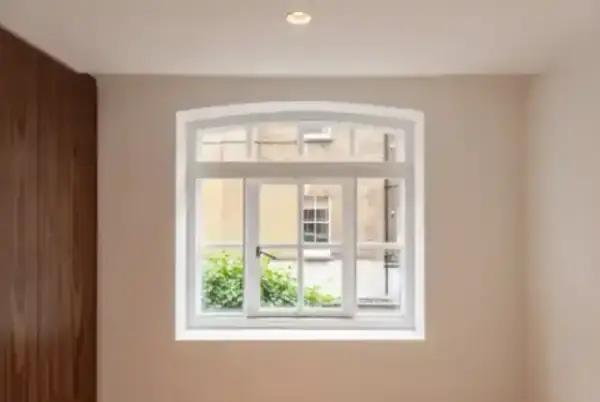
The Challenge:
The original windows were beautiful but offered almost zero protection against the roar of Park Lane traffic. Additionally, several windows were curved: a nightmare for standard glazing solutions.
The Transformation:
- 69 Custom Units: Every single unit was bespoke-fitted to match the primary window’s lines exactly.
- Curved Precision: We installed specialized curved secondary units that followed the arc of the original glass, making them virtually invisible from the street.
- 45dB Noise Reduction: To put that in perspective, a 45-decibel drop makes a busy London road sound like a distant hum.
- The Result: Draughts were completely eliminated, and the apartments achieved a level of thermal efficiency that modern building standards demand, all while keeping the planners at Westminster Council very happy.
For anyone looking for secondary glazing for period homes London, Connaught Place is the proof that you don't have to sacrifice style for a good night's sleep.
2. The Efficiency Pioneer: Ebury Street, Belgravia
Ebury Street is famous for its history, but one particular Grade II listed hotel conversion here made headlines for its future. This project didn't just want to be "better": it aimed for a BREEAM "Outstanding" rating, the highest possible mark for environmental performance.
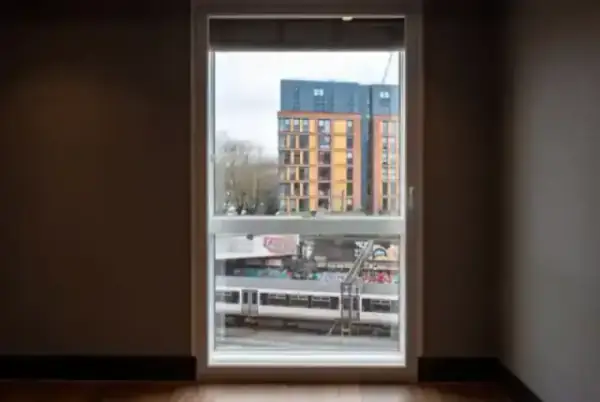
The Challenge:
How do you take a drafty Georgian building and make it one of the most sustainable properties in the UK? Standard double glazing was forbidden by heritage rules, and even basic secondary glazing wasn't enough to hit the "Outstanding" target.
The Transformation:
- Pilkington Spacia Units: The project used 18 vertical sliding units fitted with vacuum-insulated glass. This "super-glass" is only a few millimeters thick but provides the thermal performance of a thick triple-glazed unit.
- Dramatically Improved U-Values: A "U-value" measures heat loss. The lower the number, the better. We took the windows from a leaky 5.4 (standard single glazing) down to roughly 1.1–1.7.
- BREEAM Success: This project became the first listed building in the UK to receive a BREEAM Outstanding rating for its design.
If you are researching secondary glazing London for a renovation project, Ebury Street shows that even the oldest buildings can be world-leaders in energy efficiency.
3. The Soundproofing Miracle: Porchester Court, Bayswater
If you’ve ever lived near a busy London junction or a Tube station, you know that noise pollution isn't just an annoyance: it's exhausting. Porchester Court, a series of stunning Victorian blocks in Bayswater, sat right in the firing line of urban noise.
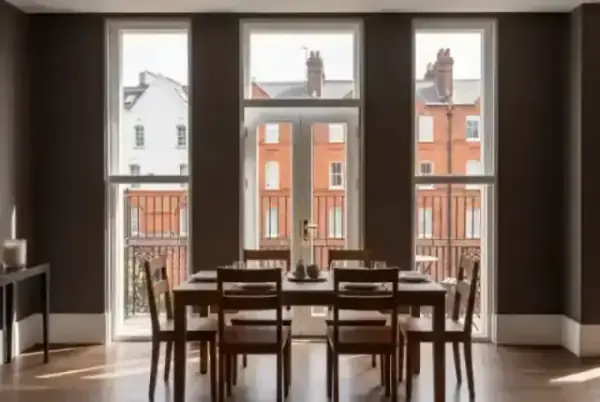
The Challenge:
The residents loved their high ceilings and Victorian charm but hated the constant "thrum" of the city. They needed serious acoustic protection but wanted a solution that wouldn't block their access to the original windows for cleaning or ventilation.
The Transformation:
- Mix of Sliding Units: We installed a combination of vertical and horizontal sliding units. These mimic the movement of the original sash and casement windows, so you can still slide them open for a breeze.
- 54dB Noise Reduction: By using specialized acoustic secondary glazing, we achieved a staggering 54dB reduction in some areas. That is the difference between hearing a vacuum cleaner in the room and total silence.
- The "Pin-Drop" Effect: For the homeowners, the transformation was emotional. One resident mentioned they finally felt they could "relax their shoulders" once the windows were closed.
When people ask about soundproofing flats Kensington or Bayswater, Porchester Court is the example we always point to. It proves that you can live in the heart of the action without having to hear it.
Why These Transformations Work
You might be wondering why secondary glazing is so much more effective than just replacing your windows (even if you were allowed to). It comes down to two simple things: The Gap and The Seal.
- The Acoustic Gap: When we install soundproof secondary glazing, we create a large air cavity between the two panes of glass. This "buffer zone" is far wider than what you find in standard double glazing, which is why it kills noise so effectively.
- The Airtight Seal: Original sash windows are designed to have gaps (otherwise they wouldn't slide). Those gaps are where heat escapes and noise enters. Our secondary units, like our horizontally sliding secondary glazing, use high-performance seals to "plug" those leaks entirely.
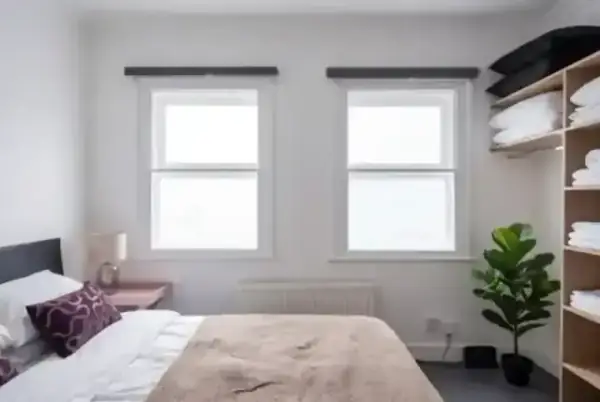
Ready to Transform Your Own London Flat?
Whether you’re shivering in a chilly Belgravia townhouse or losing sleep over the sirens in Bayswater, you don't have to accept it as "part of the charm."
Secondary glazing is typically 40-60% cheaper than full window replacement and can be installed in just a day or two with zero scaffolding and zero mess. Most importantly, it's a "reversible" change, meaning it's almost always approved for listed buildings and conservation areas.
**Your next steps are
simple:
Check your goals: Are you more worried about the heating bill or the noise? This helps us choose the right thermal or acoustic glass for you.
Book a survey: Every London window is slightly wonky (it’s part of the character!). We’ll come out, take laser-accurate measurements, and show you exactly how the frames will look.
Enjoy the quiet: Within a few weeks, you could be sitting in your living room, watching the London buses roll by in total, blissful silence.
Stop battling the draughts and start enjoying your home. We're here to help you make it happen.